
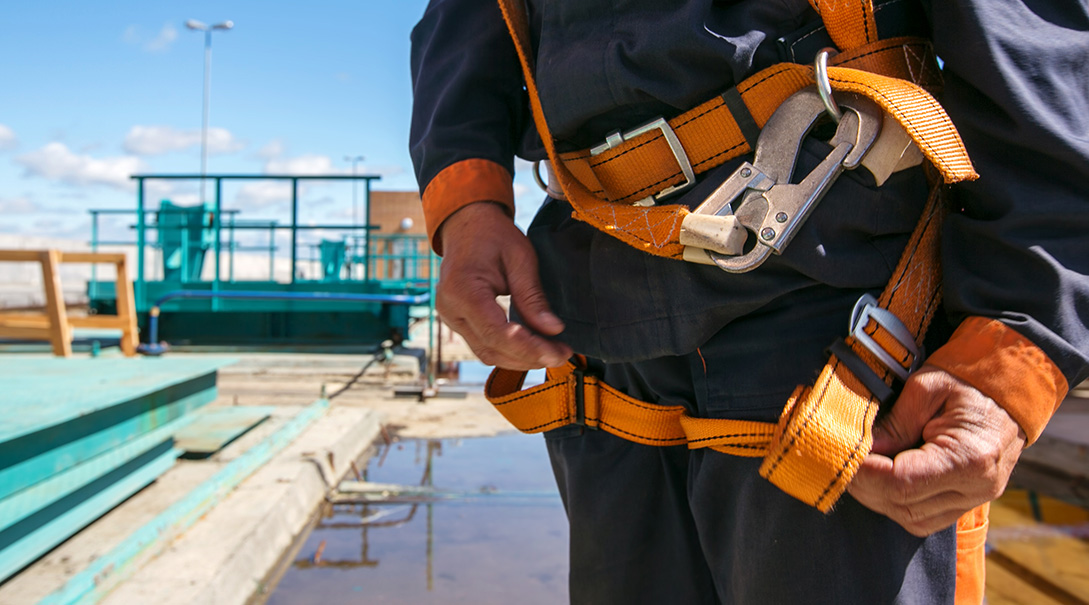
Construction is one of the most demanding jobs out there, and one of the most dangerous. Crews spend their days working at heights, next to heavy machinery, close to live electrical systems, usually with a deadline breathing down their neck. A lot of that risk can be managed with a solid safety plan, but only if safety is something the crew practices daily instead of something they check off a list.
That’s why we’ve put together this article. It covers the top construction safety tips every contractor should implement, why safety matters for your business, the hazards responsible for most fatalities, and the mistakes that put crews at risk.
Table of Contents
7 Construction Safety Tips You Need to Know
From PPE to communication protocols, these seven practices form the foundation of a more secure jobsite. Put them to work, and you’ll be well on your way to reducing risk for your crew.
1. Wear PPE, Every Time
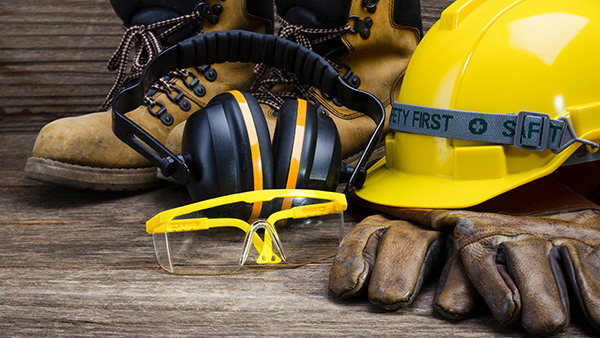
Hard hats, safety glasses, gloves, high-visibility vests, and steel-toe boots aren’t optional extras. They’re the last line of defense against a serious injury. Make sure PPE fits properly. Inspect it regularly and replace it the moment it shows wear.
2. Watch How Many People Are in a Work Area
Overcrowded work zones raise the odds of struck-by incidents, dropped tools, and miscommunication. Keep only essential personnel in active work areas. Use barricades or signage to control access.
3. Keep the Site Clean
Keep the work site clean and clear of hazards that may cause tripping or other preventable injuries. A clean site is a safer site. It can also help to your project move more efficiently. A win-win.
4. Follow Scaffolding Best Practices
Scaffolding should be inspected before every shift. It should be rated for the load it will carry and erected only by trained personnel. Guardrails, toe boards, and secure footing matter just as much as the structure itself.
5. Keep Communication Devices Within Reach
Something goes wrong fast on a jobsite, and a phone or radio close by is often what gets help there in time. Make it a habit, not an afterthought.
6. Store Chemicals the Right Way
Most sites have solvents, fuels, or other hazardous materials somewhere on hand. Label containers clearly, store them the way the manufacturer recommends.
7. Build a Culture of Safety
A binder full of rules doesn’t stop accidents by itself. What stops them is a crew that actually speaks up when they see something unsafe, and leadership that treats training like it matters instead of a formality to get through.
Check out our Construction Safety Training Guide for more information on how to keep your employees safe.
Why Construction Safety Matters
 Construction is one of the most dangerous industries in the country, and the numbers back it up.
- 1 in 5 worker deaths in the U.S. happen in construction, even though the industry accounts for a much smaller share of the overall workforce.
- Falls, struck-by, caught-in/between, and electrocution, OSHA’s “Focus Four” hazards, are responsible for the majority of construction fatalities each year.
- Up to $16,550 per serious OSHA violation, and up to $165,514 for willful or repeat violations, real financial exposure on top of human costs.
A fine is rarely the whole story. Insurance carriers pay attention to safety records, and a bad one shows up in higher premiums for years afterward. Clients check too, especially on larger bids, and a project can grind to a halt while an incident gets investigated. None of that shows up on the citation itself, but it’s often the part that actually costs a company money.
OSHA is the agency behind the standards that govern everything from fall protection to how hazardous materials get labeled and communicated on site. Following them isn’t only about staying out of trouble. It’s what gives every worker on a crew the protections they’re legally owed.
Our guide to OSHA standards for the construction industry breaks down what compliance actually looks like in practice.
The OSHA Fatal Four Hazards
OSHA has identified four hazard categories, known as the “Fatal Four,” that make up the majority of construction worker deaths. Understanding these hazards is central to building an effective safety plan.
- Falls. Falls are the leading cause of death in construction, commonly involving unprotected edges, unstable ladders, or improperly secured scaffolding. Guardrails, harnesses, and regular inspection of fall protection equipment go a long way toward preventing these incidents.
- Electrocution. Contact with power lines, damaged cords, and improperly grounded equipment can all lead to fatal electrical injuries. Workers should be trained to identify electrical risks and maintain proper distances from live power sources.
- Struck-By. A dropped tool, a swinging load, or a truck backing up in a busy work zone can turn deadly in an instant. Spotters, hard barriers between pedestrian and vehicle paths, and high-visibility clothing cut down on these close calls.
- Caught-In/Between. Trench collapses, unguarded machinery, and workers caught between equipment and fixed objects fall into this category. Proper trench shoring, machine guarding, and lockout/tagout procedures are essential safeguards.
Addressing these four hazard types directly in your safety plan is one of the most effective ways to reduce serious injuries and deaths on any jobsite.
Common Construction Safety Mistakes
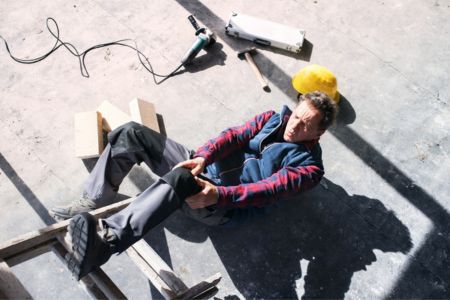
Even the most experienced crews slip into habits that raise risk without realizing it. A few show up on jobsites more than any others.
- Removing PPE: Removing PPE for a task that “will only take a minute” is one of the most common mistakes on any jobsite. That’s often the exact moment something goes wrong.
- Poor Communication: Poor communication lets hazards slip through the cracks. A hazard gets spotted but never reported, or instructions get passed along incomplete, and the next worker has no idea what they’re walking into.
- Rushing: Rushed work is a leading contributor to jobsite injuries. Especially on tasks involving machinery, heights, or heavy loads. As steps get skipped, shortcuts start to feel normal.
- Improper Ladder Use: Many ladder-related injuries happen when the wrong ladder is used, or it’s set up on unstable ground. Checking the ladder’s condition and taking the time to position it correctly can prevent many of these incidents.
- Skipping Inspections: Skipping daily inspections lets small issues sit unnoticed until they turn into real hazards. Building a consistent jobsite inspection process is one of the simplest ways to catch these problems early, before they turn into costly incidents or OSHA violations.
Noticing these patterns is the first step toward correcting them before they lead to an incident.
Construction Site Safety Training
Ongoing training is one of the most effective tools for reducing jobsite incidents. Workers who understand current OSHA standards, recognize hazards before they escalate, and know how to respond in an emergency are far less likely to be injured on the job.
None of the tips above work as a one-time checklist. Safety holds up on a jobsite when it’s built into daily habits, backed by proper training, and reinforced by leadership at every level. The crews with the strongest safety records aren’t the ones with the most rules; they’re the ones in which every worker understands why those rules exist.
Alpha-Omega Training and Compliance, Inc. offers construction safety training programs built for contractors across Tampa, Jacksonville, Titusville, and Newberry, FL, along with Macon, GA. Our programs help crews meet OSHA requirements and build a genuine culture of safety on every site.
Ready to strengthen your jobsite’s safety program? Contact our team to find the training that fits your crew’s needs.