
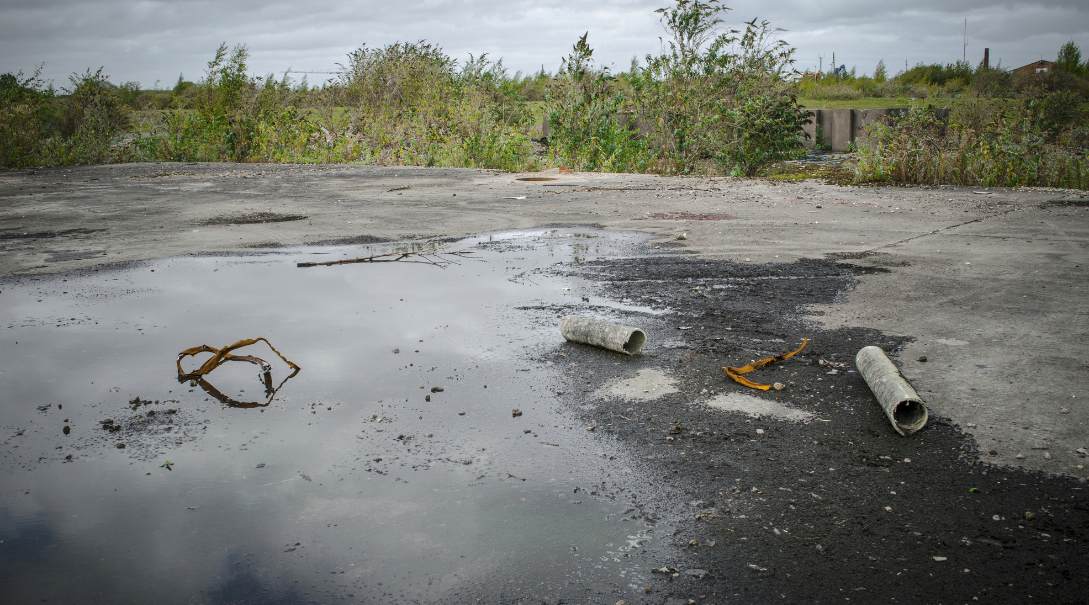
Bioremediation is an environmental cleanup method that uses microorganisms, fungi, plants, or natural biological processes to break down, remove, stabilize, or transform contaminants in soil, groundwater, surface water, sediment, and waste materials. It is often used as part of a broader environmental remediation services strategy when site conditions, contaminant type, regulatory requirements, and cleanup goals support a biological treatment approach.
The main types of bioremediation include in situ bioremediation, where treatment happens directly at the contaminated site, and ex situ bioremediation, where contaminated material is excavated or removed for treatment elsewhere. Bioremediation can also be described as intrinsic, when naturally occurring organisms are allowed to degrade contaminants over time, or enhanced, when environmental conditions are adjusted to improve the cleanup process.
Common bioremediation techniques include bioventing, bioaugmentation, biostimulation, phytoremediation, rhizofiltration, bioreactors, mycoremediation, bioleaching, microbial fuel cells, biocatalysis, landfarming, and composting.
Table of Contents
What is Bioremediation?
Bioremediation is the use of living organisms or biological processes to treat environmental contamination. In many cleanup projects, bacteria, fungi, or plants are used to degrade or contain pollutants so they become less harmful to people, property, and the surrounding environment.
This process is commonly associated with petroleum hydrocarbons, certain organic chemicals, pesticides, industrial waste, wastewater, and some metals or inorganic contaminants. Depending on site conditions, bioremediation may be used by itself or alongside other environmental cleanup methods as part of a larger remedial investigation and corrective action plan.
For property owners, industrial operators, municipalities, and commercial facilities, bioremediation can be valuable because it may reduce the need for large-scale excavation, off-site disposal, or more disruptive treatment methods. However, it is not the right solution for every contaminated site. The best approach depends on the contaminant, concentration, soil and groundwater conditions, cleanup timeline, regulatory requirements, and risk to nearby receptors.
What Are the Main Types of Bioremediation?
The two main types of bioremediation are in situ bioremediation and ex situ bioremediation.
In situ bioremediation treats contamination where it is found. This approach is commonly used for contaminated soil or groundwater when site conditions allow microorganisms or plants to treat pollutants without removing large amounts of material.
Ex situ bioremediation involves removing contaminated soil, water, or waste material and treating it in a controlled location. This may be appropriate when contamination needs more direct control, faster treatment, or engineered conditions that are difficult to create in place.
Bioremediation can also be grouped into intrinsic bioremediation and enhanced bioremediation. Intrinsic bioremediation relies on naturally occurring organisms already present at the site. Enhanced bioremediation improves the process by adding oxygen, nutrients, microorganisms, moisture, or other amendments that help biological activity work more effectively.
For site owners still determining the extent of contamination, a Phase I or Phase II Environmental Site Assessment can help identify whether further investigation, sampling, or remediation planning is needed.
In Situ vs. Ex Situ Bioremediation
Understanding the difference between in situ and ex situ bioremediation is important because it affects cost, timeline, site disruption, and regulatory planning.
In Situ Bioremediation
In situ bioremediation treats contamination in place. Instead of excavating soil or pumping large volumes of groundwater for off-site treatment, the cleanup process happens within the affected area.
This approach may be used for petroleum-impacted soil, groundwater contamination, certain organic compounds, and sites where excavation would be costly, disruptive, or impractical. Common in situ methods include bioventing, biosparging, biostimulation, bioaugmentation, and monitored natural attenuation.
In situ treatment can reduce material handling and transportation, but it requires strong site characterization. Soil permeability, oxygen availability, groundwater flow, contaminant concentration, and microbial activity all influence whether the method will work. In some cases, environmental teams may also need geotechnical drilling or subsurface investigation support to better understand soil, groundwater, and contaminant conditions before selecting a treatment method.
Ex Situ Bioremediation
Ex situ bioremediation treats contaminated material after it has been removed from its original location. Soil may be excavated and placed in treatment cells, landfarming areas, composting systems, biopiles, or engineered treatment units. Contaminated water may be treated through bioreactors or other controlled systems.
This approach may provide more control over temperature, moisture, oxygen, nutrients, and treatment time. It can also be easier to monitor. However, ex situ treatment often requires excavation, transportation, permitting, and handling controls, which can increase project complexity.
Intrinsic vs. Enhanced Bioremediation
Bioremediation can also be classified by how much human intervention is used.
Intrinsic Bioremediation
Intrinsic bioremediation, sometimes called natural attenuation, relies on existing microorganisms and natural site conditions to reduce contamination over time. This method may be considered when contaminant levels are declining, exposure risks are controlled, and the cleanup timeline is acceptable.
Because intrinsic bioremediation depends on natural processes, it usually requires careful monitoring. Sampling, documentation, and regulatory oversight are important to confirm that contamination is actually decreasing and that nearby soil, groundwater, surface water, or occupied areas are not at risk.
Enhanced Bioremediation
Enhanced bioremediation uses active steps to improve biological cleanup. This may include adding oxygen, nutrients, electron acceptors, moisture, specialized microorganisms, or other amendments to help organisms break down contaminants more effectively.
Enhanced methods are often considered when natural biological activity exists but needs support. For example, a site impacted by petroleum hydrocarbons may have native microorganisms capable of degradation, but those organisms may need better oxygen or nutrient conditions to work efficiently.
12 Bioremediation Techniques
There are many bioremediation methods, and each one works differently depending on the contaminant, media, and site conditions. The following 12 types of bioremediation are among the most common techniques used or discussed in environmental cleanup.
1. Bioventing
Bioventing an in situ bioremediation method that adds air or oxygen to unsaturated soil to stimulate naturally occurring microorganisms. These microorganisms use oxygen to help break down contaminants, especially petroleum hydrocarbons.
It is often considered for fuel releases, petroleum-impacted soil, and other organic contaminants in the vadose zone. It can be less disruptive than excavation because treatment occurs underground, but it requires soil conditions that allow air movement through the affected area.
2. Bioaugmentation
Bioaugmentationinvolves adding selected microorganisms to a contaminated site or treatment system. These organisms are chosen because they can help degrade specific contaminants that existing microbial communities may not break down efficiently.
This method may be used when contamination is resistant to natural degradation, when native microbial populations are too limited, or when a more targeted treatment approach is needed. Bioaugmentation is commonly discussed in relation to industrial wastewater, petroleum hydrocarbons, chlorinated compounds, and other complex organic contaminants.
3. Biostimulation
 Biostimulation improves the conditions that existing microorganisms need to degrade contaminants. Instead of adding new organisms, this method supports the microbes already present at the site.
Common biostimulation strategies include adding oxygen, nutrients, moisture, or other amendments. For petroleum-impacted sites, this can help native bacteria break down hydrocarbons more efficiently. Biostimulation may be used alone or combined with other methods such as bioaugmentation or bioventing.
4. Phytoremediation
Phytoremediation uses plants to remove, stabilize, degrade, or contain contaminants. Plant roots, stems, and leaves can interact with pollutants in soil, sediment, surface water, or shallow groundwater.
This type of bioremediation is often used where contamination is relatively shallow and where a longer cleanup timeline is acceptable. Depending on the contaminant, plants may absorb metals, stabilize soil, reduce erosion, support microbial activity near the roots, or help break down organic compounds.
5. Rhizofiltration
Rhizofiltration is a plant-based bioremediation method that uses roots to filter contaminants from water. It is commonly associated with metals and other pollutants that can attach to or be absorbed by root systems.
This method may be useful in controlled water treatment settings, constructed wetlands, or areas where contaminated water can interact with plant roots. Like other plant-based methods, rhizofiltration is typically more practical when site conditions, contaminant levels, and treatment goals align with a slower biological process.
6. Bioreactors
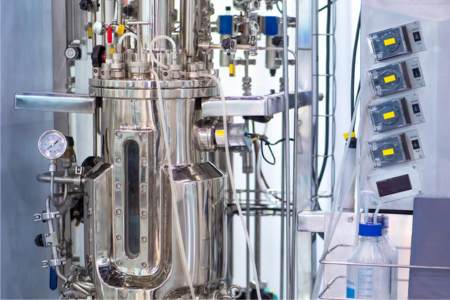 Bioreactors are engineered treatment systems that create controlled conditions for microorganisms to degrade contaminants. They may be used to treat wastewater, contaminated water, industrial waste streams, or other materials that benefit from a managed treatment environment.
Because bioreactors allow control over oxygen, pH, temperature, nutrients, and retention time, they can be effective for more complex or concentrated waste streams. They are generally an ex situ or engineered treatment option rather than a passive field method.
7. Mycoremediation
Mycoremediation uses fungi to break down or bind contaminants. Fungi produce enzymes that can help degrade certain complex organic compounds, including some petroleum-related contaminants and persistent pollutants.
This method is especially interesting because fungal networks can interact with soil and organic matter in ways that differ from bacteria. While mycoremediation may not be appropriate for every site, it can be part of a broader discussion when evaluating biological cleanup options for soil or waste materials.
8. Bioleaching
Bioleaching uses microorganisms to extract or mobilize metals from ores, mine tailings, or contaminated materials. It is often discussed in mining, mineral recovery, and waste management contexts.
Unlike methods focused on breaking down organic pollutants, bioleaching is tied to metal recovery and transformation. It may help reduce the environmental impact of certain mining or industrial waste materials when properly controlled.
9. Microbial Fuel Cells (MFCs)
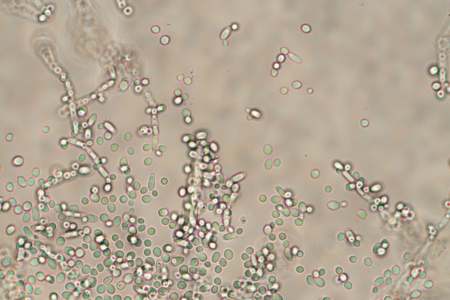 Microbial fuel cells use microorganisms to break down organic matter while generating an electrical current. This technology is most often associated with wastewater treatment and research into sustainable treatment systems.
In environmental cleanup discussions, microbial fuel cells show how biological treatment can overlap with energy recovery. While they are not the most common field remedy for contaminated commercial or industrial sites, they are an important example of how bioremediation technologies continue to evolve.
10. Biocatalysis
Biocatalysis uses enzymes or biological catalysts to speed up chemical reactions that transform contaminants. These reactions can help break down certain organic pollutants into less harmful compounds.
This method is often used in controlled treatment settings where specific contaminants and reaction conditions are known. Because enzymes can be highly selective, biocatalysis may be useful when a targeted treatment process is needed.
11. Landfarming
Landfarming is an ex-situ bioremediation method where contaminated soil is spread over a prepared treatment area and periodically tilled, aerated, and managed to support microbial degradation.
This method is often associated with petroleum-contaminated soils. By increasing oxygen exposure and managing soil conditions, landfarming can help microorganisms break down hydrocarbons over time. Proper containment, stormwater controls, monitoring, and regulatory compliance are important because contaminated material is being actively managed above ground.
12. Composting
Composting is a controlled biological treatment method that uses heat, moisture, oxygen, and microbial activity to break down organic materials. In remediation contexts, composting may be used to treat certain contaminated soils, organic wastes, or biodegradable pollutants.
Composting can be effective when the contaminant type and concentration are compatible with biological degradation. It can also improve soil structure and organic content, but contaminated material must be handled carefully to prevent runoff, dust, odors, or secondary impacts.
Common Applications of Bioremediation
Bioremediation is being used all over the world, and it’s showing us that it can help make the future cleaner.
 Bioremediation is used in a wide range of environmental cleanup and waste management situations. Common applications include:
- Petroleum-contaminated soil from fuel releases or storage tank issues,
- Groundwater impacted by organic contaminants,
- Industrial wastewater treatment, hazardous waste site restoration,
- Pesticide or herbicide contamination,
- Mine waste and metal recovery, agricultural waste management,
- Contaminated sediments or surface water,
- Brownfield and redevelopment sites, and
- Landfill leachate or organic waste treatment.
Bioremediation is one possible cleanup method within the broader field of environmental remediation, but it should be selected only after the contaminant type, affected media, and regulatory goals are understood.
For commercial, industrial, municipal, and government sites, bioremediation is usually evaluated after environmental sampling, site assessment, and contaminant characterization. A Phase I or Phase II Environmental Site Assessment can help identify whether contamination concerns exist and whether further investigation or remediation planning is needed.
Bioremediation Examples
Examples of bioremediation include:
- Using bacteria to break down petroleum hydrocarbons after a fuel release,
- Adding nutrients to stimulate microbes in contaminated groundwater,
- Planting vegetation to stabilize or absorb shallow soil contamination,
- Using bioreactors to treat industrial wastewater, and
- Landfarming petroleum-impacted soil under controlled conditions.
One of the most widely known examples is oil spill cleanup, in which hydrocarbon-degrading microorganisms help break down petroleum compounds. In other settings, plants may be used to help stabilize metals in soil, while engineered systems may use microbial activity to treat wastewater or organic waste streams.
The best example for a specific site depends on the contaminant and the cleanup goal. A petroleum release, heavy metal concern, industrial wastewater issue, and pesticide-impacted property may all require different approaches.
Benefits of Bioremediation
Bioremediation can offer several benefits when it is appropriate for the site. It can reduce the need for excavation or off-site disposal, support in-place treatment of soil or groundwater, lower site disruption, and work alongside other remediation methods when a combined cleanup strategy is needed.
For many sites, the biggest advantage is that bioremediation works with natural processes instead of relying only on physical removal or chemical treatment. That said, it still requires professional evaluation, monitoring, and documentation.
Limitations of Bioremediation
Bioremediation is not a universal solution. Some contaminants do not break down easily through biological processes. Others may be present at concentrations toxic to the organisms required for treatment.
Bioremediation can also take longer than excavation, disposal, or some engineered treatment methods. Site conditions such as soil type, oxygen levels, temperature, moisture, pH, groundwater movement, and nutrient availability all affect whether the process will work.
When biological treatment is not appropriate, contaminated materials may require excavation, containment, treatment, transportation, or other hazardous waste disposal methods. Before choosing bioremediation, environmental professionals typically evaluate the type of contaminant, the affected media, exposure risks, regulatory requirements, cleanup goals, and long-term monitoring needs.
When Should Bioremediation Be Considered?
Bioremediation may be worth considering when contamination involves biodegradable organic compounds, petroleum hydrocarbons, certain wastewater constituents, or shallow soil and water impacts that can be treated biologically.
It may also be considered when a site requires a less disruptive cleanup strategy or when excavation is impractical. However, before selecting a remedy, site owners should understand the nature and extent of contamination through proper sampling, investigation, and environmental planning.
Cost, timeline, sampling needs, disposal requirements, and regulatory expectations can vary widely, so understanding Phase I ESA costs and follow-up investigation needs can help property owners plan more effectively.
AOTC supports environmental remediation, compliance, consulting, emergency response, and field services for private, commercial, industrial, municipal, and federal clients. If your facility or property is dealing with contamination concerns, AOTC can help evaluate the site conditions and determine whether bioremediation or another remediation approach is appropriate.
Explore Sustainable Solutions with AOTC
Bioremediation can be an effective environmental cleanup option when the site conditions, contaminants, and regulatory goals support a biological approach. It may help reduce contamination, limit site disturbance, and support long-term restoration when properly planned and monitored.
AOTC provides environmental remediation services for commercial, industrial, municipal, and government clients. If you need help evaluating contamination, planning cleanup options, or determining whether bioremediation is appropriate for your site, contact AOTC to discuss your project needs.