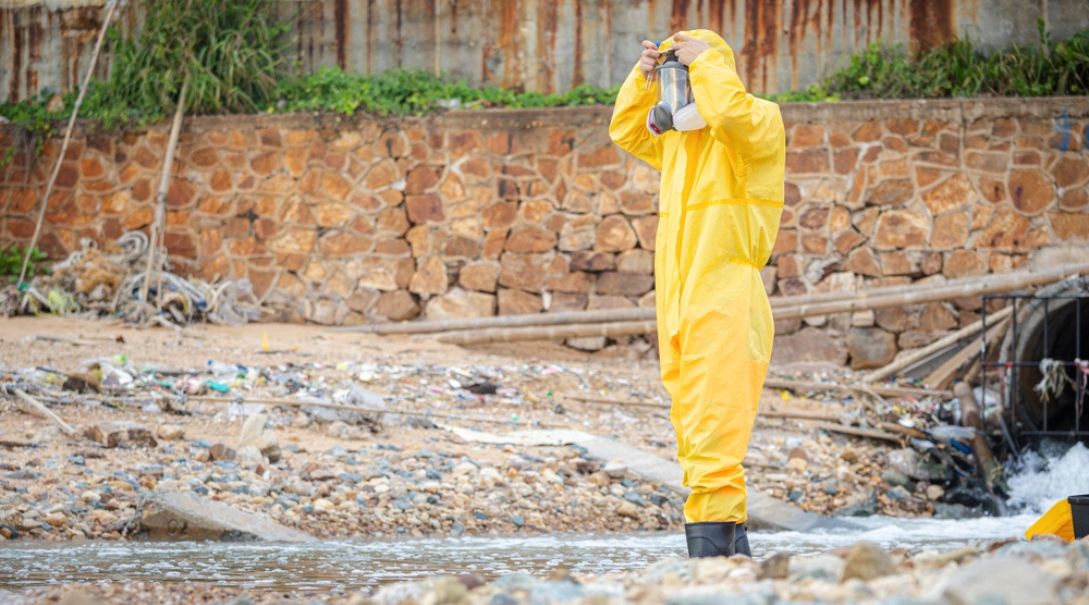
Any time there’s work being done at a commercial site, there’s always the chance that something could happen that could contaminate the environment around you. If you run a commercial business, you need to plan for commercial environmental cleanup. How do you handle the cleanup of your property if signs of pollution are found or hazardous materials are spilled or released? You need to do what you can to ensure health and safety on your business property while following environmental regulations.
Commercial environmental cleanup matters because it protects your business property while reducing the risk of harm to the environment and nearby individuals. These remediation services help keep workers safe and protect the surrounding environment. This is true of Alpha-Omega Training and Compliance, Inc’s focus industries.
AOTC provides effective commercial environmental cleanup to safely restore commercial facilities while staying in compliance with federal regulations. Industries like construction, aeronautics, power generation, and theme parks can all get help from AOTC’s environmental cleanup experts. This post discusses commercial environmental cleanup and how environmental cleanup companies like AOTC address common environmental site remediation challenges.
Table of Contents
What is Considered Environmental Cleanup?
Environmental cleanup is the process of removing and cleaning up hazardous materials from environmental locations like soil or surface water to reduce health risks and prevent long-term damage to the surrounding ecosystem. These projects can include everything from addressing contamination from spills or leaking tanks to handling hazardous materials and restoring historic sites. Core cleanup tasks in an environmental cleanup project include removing contaminated soil and disposing of it safely, treating pollution in bodies of water, extracting contaminants from a nearby water supply, and cleaning up fuel or chemical spills.
Common Problems That Trigger a Commercial Cleanup
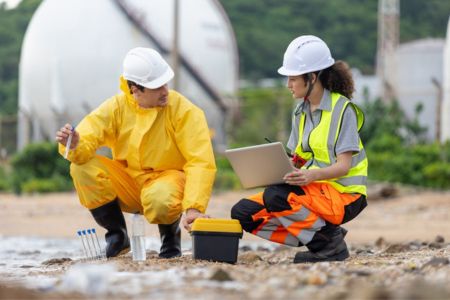
There are several ways a business might be motivated to begin a commercial cleanup project. Sometimes, a property transaction, such as acquiring new land, may prompt an attempt to clean up the property. In other cases, an on-site accident may require an immediate emergency cleanup response. Some of the most common triggers that motivate a business to instigate a commercial cleanup include:
- Failed environmental site transactions: A property transaction will necessitate an environmental site assessment. If your property fails the assessment, you’ll need environmental cleanup to bring it up to code.
- Leaking underground storage tanks: If you notice your underground storage tanks leaking, you’ll need to contain the leak and clean up the spill immediately, especially if it’s fuel or chemicals.
- Legacy contamination from prior site use: If you find signs of contamination on a new property from a previous user, you’ll be motivated to have that contamination remediated.
- Regulatory inspection findings: Your site will need to pass regular inspections to make sure it is a healthy, hazard-free site that isn’t harming the environment. If the inspection finds issues, you’ll be motivated to begin a commercial cleanup.
- Active spills: If there are any instances of active spills that haven’t been contained on your property, you will likely want to begin a commercial cleanup immediately.
How Environmental Remediation Works
Remediation is another name for the cleanup process if hazardous materials have been spilled or are otherwise found outside in the ecosystem. The process of environmental remediation includes:
- Site assessment and characterization: Site assessment includes testing water and soil for evidence of pollution.
- Remediation plan: If the site assessment identifies concerns, a remediation plan is developed to follow environmental regulations and safety standards.
- Treating and cleaning hazardous materials: The next step is executing the remediation plan, as hazardous materials will be treated and cleaned up.
- Regulatory closeout: The final step is regulatory closeout, when the cleanup process ends, but monitoring and testing of the area continue to watch for signs of future pollution.
Who is Responsible for Environmental Cleanup?
Figuring out who is responsible for an environmental cleanup project can vary depending on the situation, which is why Environmental Protection Agency (EPA) guidelines are followed to determine which groups contributed to the issue and how it will be addressed. Responsible parties typically include:
- Business or Property Owners: Owners of contaminated land will be deemed responsible for handling cleanup work.
- A Directly Responsible Entity: If federal or state regulations identify a party as directly responsible for contamination, that party will be responsible for environmental cleanup.
- State or Federal Agencies: When no individual party is at fault, federal or state agencies must handle cleanup.
Why Remediation Looks Different By Industry
Remediation can be used across several industries, but it looks different for each one. Each industry has different factors and risks to consider. Physical property differences can make remediation look different for each industry, as can the materials used that may have contributed to an environmental concern.
Here are examples of how remediation looks different across AOTC’s focus industries.
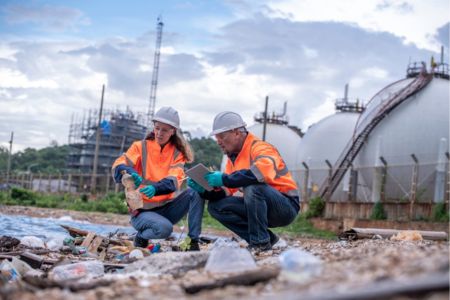
- General Industry: The remediation process is pretty typical across general industry. Here, you analyze the actual risk to people on site and the surrounding environment. Then, follow local, state, and federal regulations to develop a cleanup strategy that stops hazardous materials from spreading and removes contaminants from the property, including soil and water.
- Construction: Environmental remediation in the construction industry must focus on the hazardous materials commonly used at construction sites. Examples of hazardous materials include asbestos, sealants, and heavy metals. Safely identify and remove these materials if they are found inside newly built structures or outside in the ground or water features.
- Aeronautical: It’s quite likely that you’ll eventually find examples of environmental contamination at an aeronautical site such as an airport, aircraft manufacturing facility, or military base. This is because jet fuel can leak or spill and cause a major problem. Chemicals used for cleaning metal aircraft parts can also contaminate the environment, as can metals from paint used on planes. These materials require careful remediation.
- Military Defense: The unique thing about environmental remediation on a military defense site is that the cleanup process must follow the precise guidelines established by government regulations. Specifically, cleanup on a military base must follow the framework of federal Superfund law. The Defense Environmental Restoration Program (DERP) then manages hazardous-material cleanup.
- Power Generation:The power generation industry is susceptible to issues with hazardous waste because of the dangerous materials used in plant operations. These can include coal, oil, and even nuclear materials. Any of these materials can cause devastating harm to the environment. If they are released, they need to be contained immediately and removed safely.
- Theme Parks: Theme parks are all about ensuring a fun experience for guests. That experience can be threatened as a result of an environmental issue. Theme park management should take immediate action to cordon off areas where pollution or contamination could be found. Examples of environmental contamination at theme parks include fuel or chemicals from rides leaking out, materials from maintenance tanks being released, and pollution making its way into water or soil.
- Municipalities: Municipalities have a unique responsibility to ensure public health. Therefore, they need to be extra diligent about identifying and eliminating hazardous materials. They also need to follow established state and federal guidelines when it comes to environmental remediation. Municipalities need to be in charge of keeping public property clean and safe for use as parks, housing, or municipal water systems.
Why Businesses Choose AOTC for Environmental Cleanup
Businesses want to trust a local option to keep their properties clean and safe. That’s exactly why so many Florida businesses put their faith in AOTC for environmental cleanup services. AOTC is employee-owned and has multiple locations throughout Florida, including Titusville, Jacksonville, Tampa, and Newberry. Our knowledgeable remediation experts have direct experience handling environmental cleanup across multiple industries. AOTC provides a more responsive, regionally focused alternative to multi-region providers like Clean Harbors and Environmental Works.
Are you facing an environmental cleanup issue? AOTC should be your top choice for environmental site remediation in Florida. Discover why so many Florida businesses trust us for environmental cleanup services.