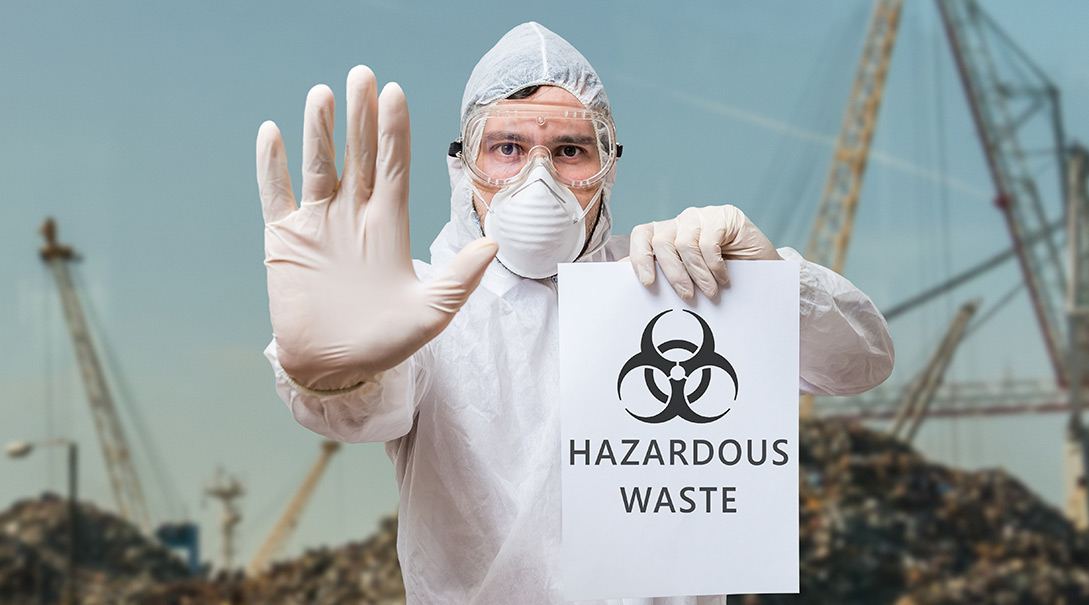
Hazardous waste disposal is one of the most important environmental compliance responsibilities a business can manage. When hazardous waste is handled incorrectly, it can contaminate soil, groundwater, surface water, and air. It can also create worker safety risks, regulatory violations, cleanup liability, and long-term environmental damage.
For businesses that generate hazardous waste, disposal is not just the final step. It is part of a larger hazardous waste management process that includes identifying the waste, storing it correctly, documenting it, transporting it through approved channels, treating it when required, and choosing the right final disposal method.
The U.S. Environmental Protection Agency regulates hazardous waste under the Resource Conservation and Recovery Act, commonly known as RCRA. This law gives the EPA authority to manage hazardous waste from “cradle to grave,” meaning from the point of generation through transportation, treatment, storage, and disposal.
Below are eight hazardous waste disposal methods businesses should understand, along with when each method may apply and why professional support matters.
Table of Contents
What Is Hazardous Waste Disposal?
Hazardous waste disposal is the process of safely treating, containing, recycling, or permanently disposing of waste that can harm people or the environment. According to the EPA, hazardous waste may be dangerous because it is toxic, ignitable, corrosive, or reactive.
Common Examples of Hazardous Waste
- Industrial chemicals
- Solvents
- Contaminated soil
- Pesticides
- Paints and coatings
- Used oil
- Certain batteries
- Laboratory chemicals
- Cleaning agents
- Some manufacturing byproducts
- Sludge or wastewater treatment residuals
- Certain contaminated absorbents, PPE, or debris
For businesses, hazardous waste disposal usually starts with proper waste characterization. Before choosing a disposal method, the waste must be identified, classified, documented, and managed according to applicable federal, state, and local regulations.
Companies that need help managing hazardous or non-hazardous waste streams can work with AOTC’s industrial waste management services to reduce liability, improve compliance, and build a site-specific waste management plan.
Hazardous Waste Treatment vs. Hazardous Waste Disposal
 Hazardous waste treatment and hazardous waste disposal are related but not the same.
Treatment changes the waste before final disposal. The goal may be to reduce toxicity, lower volume, stabilize the material, separate contaminants, or make the waste safer to transport or dispose of.
Disposal is the final placement, destruction, containment, or long-term management of the waste after it has been properly evaluated and, when needed, treated.
Common Hazardous Waste Treatment Methods
Before final disposal, hazardous waste may go through one or more treatment processes, including:
- Chemical treatment: neutralization, oxidation, reduction, precipitation, or ion exchange
- Thermal treatment: incineration or high-temperature destruction
- Biological treatment: landfarming or microbial treatment for certain organic wastes
- Physical treatment: filtration, sedimentation, evaporation, flotation, or solidification
- Stabilization: mixing waste with binding agents to reduce mobility
- Encapsulation: enclosing waste in a protective material to prevent release
The right treatment method depends on the waste profile, physical form, chemical makeup, regulatory requirements, and final disposal option.
8 Methods of Hazardous Waste Disposal
There is no single best method of hazardous waste disposal for every business. The correct method depends on the type of waste, whether it is solid or liquid, how hazardous it is, whether it can be treated or recycled, and what disposal facilities are legally permitted to accept it.
1. Hazardous Waste Landfill Disposal
Hazardous waste landfill disposal is one of the oldest and most common methods of hazardous waste disposal. Unlike standard landfills, hazardous waste landfills are specifically engineered facilities designed to contain dangerous materials and prevent contamination from spreading into the environment.
These landfills may include:
- Double liner systems
- Leachate collection systems
- Groundwater monitoring
- Leak detection systems
- Run-on and runoff controls
- Wind dispersal controls
- Long-term monitoring requirements
Hazardous waste landfills are generally used for solid hazardous waste or treated waste that cannot be recycled, reused, or destroyed. They are not the same as municipal landfills and must meet strict regulatory standards.
This method may be appropriate for certain contaminated materials, stabilized waste, treatment residuals, ash, sludge, and debris. However, landfill disposal should not be the first option if waste reduction, recycling, or treatment can reduce the amount of material that needs final disposal.
Businesses dealing with contaminated soil, impacted sites, or cleanup-related waste may also need support from AOTC’s environmental remediation services.
2. Incineration
Incineration is a hazardous waste disposal method that uses high temperatures to destroy certain hazardous materials. It is often used for organic wastes, solvents, chemical residues, and materials that can be safely destroyed through controlled thermal treatment.
During incineration, hazardous waste is burned in a permitted facility. The process can significantly reduce waste volume and destroy many toxic organic compounds. However, the remaining ash, residues, and emissions must still be managed carefully.
Incineration facilities require air pollution control systems to manage pollutants and reduce environmental impact. This may include scrubbers, filters, and other emission-control technology.
Incineration may be useful when the waste needs to be destroyed rather than contained, but it is not appropriate for every waste stream. Businesses should confirm whether their waste profile, regulatory classification, and disposal requirements make incineration a viable option.
3. Deep-Well Injection
Deep-well injection is a method used for certain liquid hazardous wastes. This process involves injecting liquid waste deep underground into isolated rock formations that are separated from underground sources of drinking water.
The EPA’s Underground Injection Control program regulates injection wells to protect drinking water sources. Class I wells are used to inject hazardous and non-hazardous wastes into deep, isolated formations.
Deep-well injection may be used for liquid industrial waste that cannot be treated or managed through another practical option. However, this method requires strict permitting, monitoring, and geological controls to reduce the risk of contamination.
Because this disposal method carries significant technical and regulatory requirements, it is typically handled by specialized permitted facilities rather than individual businesses.
4. Surface Impoundments
Surface impoundments are natural or artificial depressions, ponds, pits, or lagoons used to treat, store, or dispose of liquid hazardous waste. They are typically designed with liners and monitoring systems to reduce the risk of leakage into soil or groundwater.
This method may be used for liquid waste streams in certain industrial settings, but it requires careful oversight. If surface impoundments are not properly designed, maintained, or monitored, they can create serious environmental risks.
Surface impoundments may require:
- Engineered liners
- Groundwater monitoring
- Leak detection
- Inspection programs
- Closure and post-closure care
- Regulatory permits
For many businesses, surface impoundments are not a practical disposal option unless they operate in a heavily regulated industrial setting with the infrastructure and permits to manage them.
5. Underground Disposal
Underground disposal involves placing certain hazardous wastes in deep underground locations that are geologically suitable for long-term containment. This method is most often associated with specific waste types, such as radioactive or highly specialized industrial waste.
Underground disposal is not used casually. It requires extensive technical review, regulatory approval, site evaluation, and long-term containment planning.
For most commercial and industrial businesses, underground disposal is not the first disposal method considered. However, it remains one of the recognized hazardous waste disposal methods for specific waste categories that require long-term isolation from people and the environment.
6. Encapsulation
Encapsulation is a disposal or treatment-support method that involves surrounding hazardous waste with a stable material, such as concrete, asphalt, plastic, or another binding agent. The goal is to reduce the chance that hazardous constituents will migrate into the environment.
Encapsulation can be used for certain solid or semi-solid wastes, including contaminated debris, sludge, asbestos-containing materials, and some radioactive or chemical waste materials.
This method does not necessarily destroy the hazard. Instead, it helps immobilize the waste and reduce exposure risk. The encapsulated material may still need to be placed in an approved disposal facility.
Encapsulation may be used when the waste cannot be easily treated, recycled, or destroyed but can be stabilized for safer long-term management.
7. Macroencapsulation
Macroencapsulation is similar to encapsulation, but it is used for larger materials or bulkier waste items. Instead of mixing the waste with a binding agent, macroencapsulation typically involves enclosing waste inside a durable barrier or container.
This may include:
- Steel containers
- Concrete vaults
- High-density plastic barriers
- Sealed protective structures
- Engineered containment systems
Macroencapsulation may be used for contaminated equipment, debris, large waste items, or materials that cannot be easily reduced in size or treated through traditional methods.
Like encapsulation, this method focuses on containment. The goal is to prevent hazardous material from being released into the environment during handling, transport, storage, or final disposal.
8. Hazardous Waste Recycling
Hazardous waste recycling is often preferable when it can be done legally and safely. The EPA explains that hazardous waste may be recycled when it is used, reused, or reclaimed under applicable hazardous waste recycling regulations.
Hazardous waste recycling may include:
- Reclaiming usable materials
- Recovering solvents
- Regenerating spent materials
- Reusing materials as ingredients in industrial processes
- Burning certain materials for energy recovery when allowed
- Recovering metals or other valuable components
Recycling can reduce disposal volume, lower demand for raw materials, and support sustainability goals. However, hazardous waste recycling is still regulated. Businesses should not assume that a material is exempt from hazardous waste rules simply because it may be recyclable.
The EPA’s hazardous waste recycling guidance can help businesses understand how recycling fits into hazardous waste management.
How Businesses Should Choose the Right Hazardous Waste Disposal Method
The right hazardous waste disposal method depends on more than the type of waste. Businesses also need to consider regulatory status, waste volume, safety risks, treatment requirements, transportation rules, disposal facility acceptance criteria, and long-term liability.
Step 1: Identify and Characterize the Waste
Before any disposal decision is made, the business must understand what the waste is. This includes reviewing safety data sheets, process knowledge, sampling results, and applicable hazardous waste definitions.
Waste characterization may include determining whether the waste is:
- Ignitable
- Corrosive
- Reactive
- Toxic
- Listed hazardous waste
- Universal waste
- Non-hazardous industrial waste
- Contaminated soil or debris
- Regulated under another federal or state program
AOTC’s environmental consulting services can help businesses evaluate waste streams, understand regulatory requirements, and build a compliant management strategy.
Step 2: Determine Whether the Waste Can Be Reduced, Reused, or Recycled
Disposal should not automatically be the first option. Many businesses can reduce hazardous waste through source reduction, process changes, substitution, reuse, or recycling.
Waste minimization can help lower costs, reduce long-term liability, improve sustainability, and decrease the amount of material requiring transport and disposal.
For more context on industrial waste planning, AOTC’s guide to industrial waste management explains why a formal strategy matters for compliance, operations, and risk reduction.
Step 3: Review Treatment Requirements
Some hazardous wastes must be treated before final disposal. Treatment may be required to reduce toxicity, meet land disposal restrictions, stabilize the waste, or make it acceptable to a permitted disposal facility.
Businesses should never assume untreated hazardous waste can be shipped directly to a landfill or disposal center. The disposal facility, transporter, and generator all need accurate documentation.
Step 4: Manage Storage, Labeling, and Documentation
Hazardous waste disposal problems often begin before the waste leaves the facility. Improper labeling, open containers, missing documentation, and poor storage practices can create violations.
Businesses should have clear procedures for:
- Labeling hazardous waste containers
- Keeping containers closed
- Separating incompatible materials
- Maintaining accumulation area requirements
- Training employees
- Preparing manifests
- Keeping inspection records
- Documenting disposal activity
AOTC’s article on hazardous waste storage best practices provides additional guidance on safely storing hazardous materials before disposal.
Step 5: Work With Qualified Waste Management Professionals
Hazardous waste disposal is not an area where businesses should rely on guesswork. The wrong disposal method can increase cleanup liability, trigger regulatory penalties, and expose employees or the public to dangerous materials.
A qualified hazardous waste management partner can help with:
- Waste characterization
- Waste profiling
- Sampling
- Manifesting
- Transportation coordination
- Disposal facility selection
- Compliance documentation
- Waste minimization planning
- Emergency response planning
- Training and inspection support
AOTC provides industrial waste management services for businesses that need help managing hazardous and non-hazardous waste streams safely and efficiently.
Hazardous Waste Disposal Compliance for Florida Businesses
Businesses in Florida must take hazardous waste disposal seriously. Facilities that generate hazardous waste may need to comply with EPA rules, Florida Department of Environmental Protection requirements, transportation regulations, local ordinances, and site-specific permit obligations.
AOTC supports businesses across Florida, including Tampa, Jacksonville, Orlando, Titusville, and surrounding areas, with environmental compliance, industrial waste management, emergency response, and training solutions.
Florida businesses may need hazardous waste disposal support if they are dealing with:
- Industrial waste streams
- Chemical waste
- Contaminated soil
- Manufacturing byproducts
- Facility decontamination waste
- Spill cleanup waste
- Laboratory waste
- Wastewater treatment residuals
- Petroleum-impacted materials
- Hazardous and non-hazardous waste storage issues
For facilities managing broader compliance concerns, AOTC’s environmental compliance services can help identify regulatory requirements and reduce the risk of costly violations.
Common Hazardous Waste Disposal Mistakes Businesses Should Avoid
Hazardous waste violations often happen because businesses underestimate how much documentation, training, and planning the process requires.
Common mistakes include:
- Treating hazardous waste as ordinary trash
- Misclassifying waste
- Failing to label containers correctly
- Leaving hazardous waste containers open
- Storing incompatible materials together
- Missing inspection logs
- Using the wrong disposal method
- Failing to train employees
- Choosing an unqualified transporter or disposal partner
- Not keeping disposal records
- Waiting until a spill, inspection, or complaint occurs to address the issue
AOTC’s article on common hazardous waste violations explains several issues businesses should watch for, including improper labeling, improper disposal, lack of emergency planning, open containers, and training gaps.
Employee Training Supports Safer Hazardous Waste Disposal
Even the best disposal plan can fail if employees do not understand how to identify, handle, label, store, or respond to hazardous waste.
Depending on job duties and exposure risk, employees may need training related to hazardous waste management, RCRA compliance, HAZWOPER, hazard communication, emergency response, or other safety programs.
AOTC offers RCRA hazardous waste training for employees who manage hazardous waste and need to understand proper identification, handling, storage, documentation, and disposal practices.
For employees involved in hazardous substance response or cleanup operations, AOTC’s HAZWOPER training can help teams understand safety requirements for hazardous waste operations and emergency response.
When Should a Business Contact a Hazardous Waste Disposal Company?
A business should contact a hazardous waste disposal or industrial waste management provider when it is unsure how to classify, store, transport, treat, or dispose of a waste stream.
Professional support is especially important when:
- The waste may be toxic, corrosive, ignitable, or reactive
- Employees are unsure whether the waste is hazardous
- Waste needs sampling or profiling
- Waste has accumulated on-site
- A spill or release has occurred
- The business is preparing for an inspection
- Disposal records are incomplete
- A facility is closing, renovating, or decommissioning
- The business needs a waste minimization plan
- The waste may require special treatment before disposal
Working with an experienced provider can help businesses reduce risk, protect employees, maintain compliance, and avoid choosing the wrong disposal method.
Partner With AOTC for Hazardous Waste Disposal Solutions
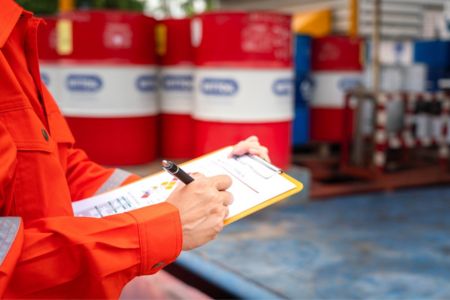 Hazardous waste disposal is not only about getting rid of waste. It is about protecting your employees, your facility, your community, and your long-term liability.
AOTC helps businesses manage hazardous and non-hazardous waste streams through practical, compliant, and cost-conscious solutions. Our team supports waste characterization, hazardous waste management, manifesting and profiling, interim measures, site remediation, equipment and facility decontamination, and waste minimization planning.
Whether your business needs help choosing the right hazardous waste disposal method, improving compliance, training employees, or building a complete industrial waste management program, AOTC can help.
Contact AOTC today to discuss hazardous waste disposal solutions for your facility.