
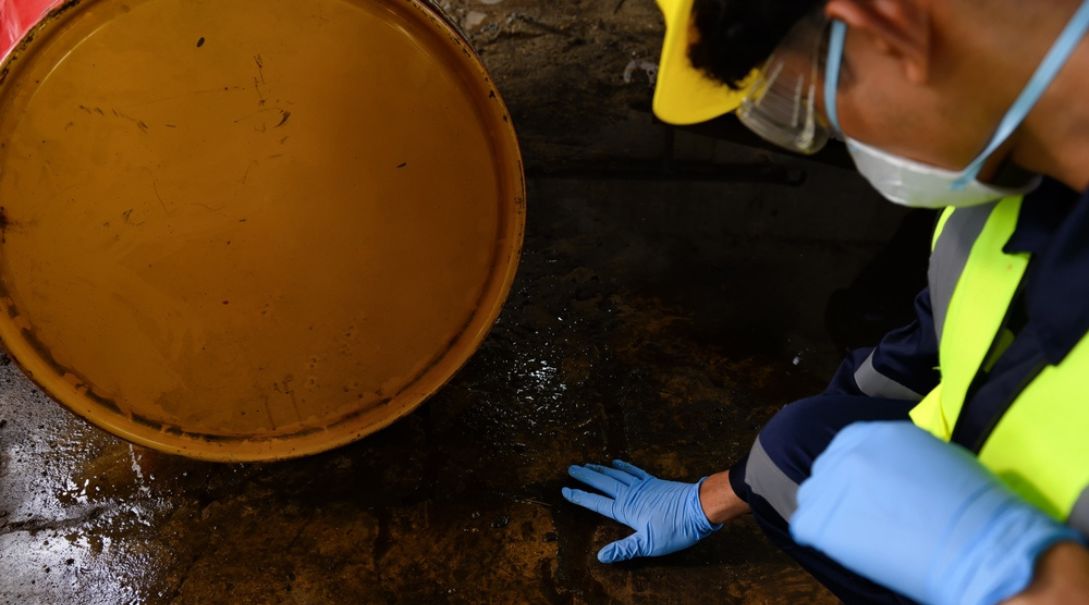
There’s nothing good that comes from a fuel spill. These disasters pose several severe threats to the environment, as well as safety hazards for people nearby and financial consequences for those responsible. Fuel spills harm the environment by contaminating water and harming wildlife. They result in an enormous cost for fuel spill cleanup and remediation, as well as legal liability and possible fines from the Environmental Protection Agency. The safety risks of fuel spills include possible fires and explosions, as well as exposure to chemicals. When a fuel spill happens, a fast, professional response is needed to minimize damage and liability.
Florida businesses should plan ahead for potential fuel spills by creating an actionable plan for risk assessment, containment and cleanup, if possible. Being proactive is the best thing you can do to prepare for the possibility of a fuel spill. In this article, we’ll discuss what you need to know about fuel spills and the cleanup process for them
Table of Contents
What Qualifies as a Fuel Spill?
A fuel spill is when petroleum-based products are accidentally spilled or discharged. There are several different kinds of fuel spills that you might see every once in a while in the news. They vary by the type of fuel and their impact on the environment.
Common types of fuel spills include:
- gasoline spills
- diesel spills
- oil spills
- hydraulic fluid spills
Fuel spills include everything from small spills to large-scale environmental incidents, the kind that do make the news.
The industries that find themselves most at risk for fuel spills are those that extract and transport fossil fuels. Transporting fuel across long distances increases the vulnerability of these operations to a potential spill. These vulnerable industries include oil and gas, petroleum refining, maritime shipping, railroads, mining, aviation, and logging.
Common Causes of Commercial Fuel Spills
- Fuel tank failures
- Equipment and vehicle leaks
- Overfilled storage tanks
- Transfer and fueling accidents
- Storm damage and natural disasters
- Human error during fueling operations
The First Steps to Take After a Fuel Spill
Here are some steps that will help you take immediate action after a fuel spill to contain the spread and prioritize safety.
Step 1: Prioritize Safety
- Protect employees and the public
- Eliminate ignition sources
- Secure the affected area
- Use appropriate personal protective equipment (PPE)
Step 2: Stop the Source of the Spill
- Shut off pumps or valves when safe
- Contain leaks before they spread
- Prevent additional fuel loss
Step 3: Contain the Spill
- Use absorbent materials and spill containment equipment
- Prevent fuel from reaching storm drains, waterways, or soil
- Establish containment barriers
Step 4: Notify the Appropriate Parties
- Internal safety personnel
- Property management
- Emergency responders (when necessary)
- Environmental cleanup professionals
The Risks of Delaying Fuel Spill Cleanup
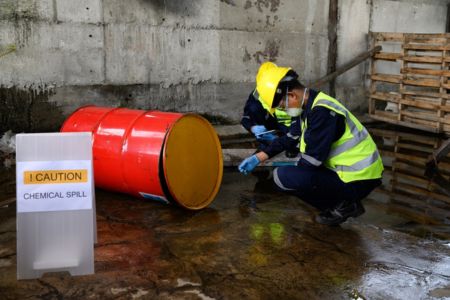
Delaying fuel spill cleanup services can result in consequences that can be devastating, everything from environmental damage that will be hard to fix to expensive fines and cleanup costs.
Environmental Damage
- Soil contamination
- Groundwater pollution
- Damage to nearby ecosystems
Workplace Safety Hazards
- Fire and explosion risks
- Slip hazards
- Toxic vapor exposure
Regulatory and Financial Consequences
- Environmental fines and penalties
- Cleanup costs
- Business interruptions
- Potential legal liability
Why Professional Fuel Spill Cleanup Is Essential
The expertise of a professional fuel spill cleanup company can give you peace of mind knowing that a fuel spill is being addressed appropriately. Professional cleanup teams know how to properly handle a fuel spill before it spreads out of control.
Companies that specialize in fuel spill cleanup services use specialized equipment designed to handle these spills. Cleanup crews are also well-versed in successful containment methods. You can trust a professional for safe fuel recovery and disposal.
Professional crews also know how to stay in compliance with environmental regulations. They stay on top of the situation with proper documentation and reporting.
The Essentials of Fuel Spill Cleanup
Here are the essential steps a fuel spill cleanup service should take with any fuel spill cleanup:
Site Assessment
- Identifying the type and extent of containment
- Evaluating environmental risks
Containment and Recovery
- Preventing the spill from spreading
- Recovering free product and containment materials
Cleanup and Remediation
- Removing contaminated soil and absorbents
- Cleaning affected surfaces
- Restoring the work area
Waste Transportation and Disposal
- Proper handling of contaminated materials
- Environmentally responsible disposal or recycling
- Regulatory documentation
Industries That Benefit From Fuel Spill Response Services
- Trucking and transportation companies
- Construction contractors
- Fleet management companies
- Fuel distributors
- Manufacturing facilities
- Marinas and ports
- Agricultural operations
- Municipal and government agencies
How to Prevent Fuel Spills at Your Facility
Taking preventative measures is the best plan to prevent fuel spills from ever happening at your facility. Keep an eye on potential threats by scheduling routine inspections of tanks and equipment. This will allow fuel experts to spot signs of trouble before they turn into spills.
Still, preventative measures aren’t infallible, so you should prepare for a response in the event of a spill. You should plan time for employee spill response training to teach your employees how to be ready and what to do if a spill happens.
Another step that can help your facility is to install secondary containment systems that can be utilized to help clean up your spill.
Spill prevention and control plans along with scheduled maintenance programs will go a long way to helping you prepare for and address spills.
Common Fuel Spill Cleanup Mistakes to Avoid
Trying to clean up a fuel spill can be a challenge. There’s a reason why professional cleanup crews are hired to address fuel spills. Without an expert plan in place, it can be very easy to make mistakes during the cleanup process. If you’re careful, though, you can avoid common cleanup mistakes.
- Attempting to clean large spills without professional assistance. The worst thing you can do in the aftermath of a fuel spill is attempting to clean large spills without professional assistance. An expert knows exactly what to do to address your spill. It’s far too easy to make mistakes without professional guidance.
- Allowing fuel to enter drains or waterways. One mistake you should never allow to happen is allowing fuel to enter drains or waterways. This will spread the spill and make it harder to clean up. Contain the spill before it can infiltrate your drains and waterways.
- Using improper cleanup materials. You should also avoid any improper cleanup materials. These can’t be trusted to actually help you address the spill. In fact, the wrong tools could lead to damage or cause additional problems for your business. You should always have the right materials for the job.
- Failing to document the incident. Failing to document the incident is another colossal mistake you can’t afford. This could get you in regulatory trouble, which could result in a heavy fine. Stay in the good graces of the Environmental Protection Agency and other regulators by always documenting spills properly.
- Waiting too long to begin containment and cleanup. Finally, make sure you don’t wait too long to begin containment and cleanup. Waiting too long only makes it harder to successfully conduct a cleanup. The damages caused might be permanent if you don’t take immediate action.
How to Choose a Commercial Fuel Spill Cleanup Company
If you need the help of a commercial fuel spill cleanup company, you might be wondering where to find the best choice for your problem. Many companies claim they can help clean up a fuel spill, but you need to hire one that can be trusted to handle the cleanup in a proper, thorough fashion.
This is not something that should be taken lightly. Proper cleanup will protect your property, everyone in it, and the environment around it. Keep these tips in mind when choosing a commercial fuel spill cleanup company.
- 24/7 emergency response availability. Fuel spills require an immediate response. A delayed response could have harmful consequences. You need help from a fuel spill cleanup company right away, no matter when the accident happens. That’s why 24/7 emergency response availability is a must-have from any commercial fuel spill cleanup company. You’ll want a company that’s available all hours of the day to respond to any spill.
- Licensed and experienced environmental professionals. Know that you’re in good hands with your cleanup process by hiring someone that has good credentials. Put your faith in licensed and experienced environmental professionals for any diesel fuel spill cleanup. Environmental professionals are the best choice for safe and effective cleanup while also going through all the proper protocols to fully document the incident. An inexperienced or unlicensed crew can create problems you’ll struggle to recover from.
- Specialized spill response equipment. It goes without saying that whoever you hire to clean your fuel spill should have the right equipment for the job. You’ll want a fuel spill cleanup company that utilizes specialized spill response equipment. The right company will have the right tools that are specifically designed for cleaning up fuel spills. Specialized equipment will ensure the cleanup job is done right.
- Regulatory compliance expertise. Handling a fuel spill involves more than just cleaning up the spill. Of equal importance is the ability to stay in compliance with rules and regulations. Regulatory compliance is needed to avoid safety and environmental issues. The regulatory agencies that oversee such incidents will be keeping a close eye on the cleanup process to ensure it is handled in a proper fashion. Hire a company with expertise in regulatory compliance to avoid legal issues with regulatory agencies.
- Proven experience with commercial and industrial facilities. A fuel spill cleanup done right will make it safe again to conduct business at a commercial or industrial facility. To get to a place where the spill is gone, and your facility is safe for use again, you need help from a cleanup company with experience handling cleanup in commercial and industrial facilities. The intricacies of commercial and industrial facilities can make them tricky to clean. You need help from an expert who knows how to keep these properties clean and safe. You’ll also want to earn the trust of customers and employees again after a spill. An expert with proven experience in commercial and industrial cleanups is the best way to convince customers and employees that your property is ready again for business.
Why Florida Businesses Trust Alpha-Omega With Professional Spill Response
Alpha-Omega Training and Compliance, Inc. is a veteran-owned fuel spill cleanup service that specializes in emergency spill response. With our team of experts, you’ll get faster emergency response to quickly address a fuel spill. There’s no time to waste with a fuel spill. We understand this at AOTC. Our expertise will help to reduce environmental liability in the wake of a fuel spill. You’ll also get full regulatory compliance support to help you stay in the good graces of environmental regulatory agencies.
We can help you minimize your operational downtime, getting you back on your feet quickly. Count on AOTC for comprehensive cleanup and documentation services. We are a trusted partner for fuel spill cleanup in North Florida and Central Florida. Get in touch with us today for spill cleanup help.