Table of Contents
What Is MEWP Training?
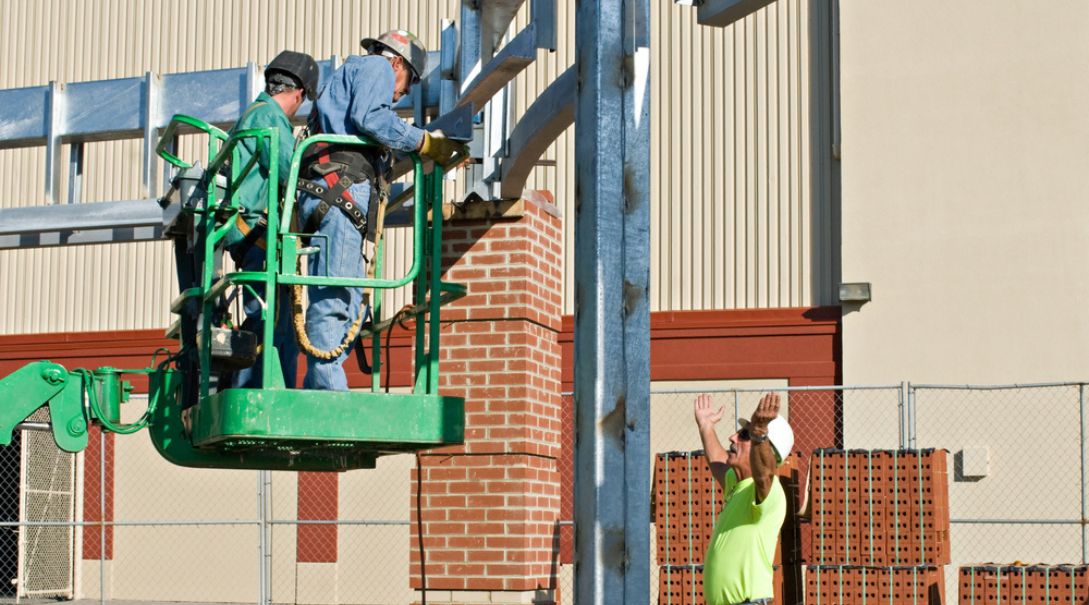
Mobile Elevating Work Platforms (MEWP) training teaches safe, effective use of mobile elevating work platforms like scissor lifts, articulating booms, telescopic booms, and vertical mast lifts. It combines classroom theory with hands-on evaluation so operators, occupants, supervisors, and maintenance personnel can recognize hazards, follow procedures, and respond to emergencies. The best programs are site-specific, simple to follow, and consistently documented so they stand up to audits and keep people safe.
Why MEWP Training Matters
Compliance Wins
ANSI A92.22 (Safe-Use) outlines who must be trained and what the training must cover. Aligning to these standards and to OSHA’s general duty to protect workers reduces liability and ensures you have the paperwork to prove competence on each MEWP type.
Fewer Incidents
Training prevents common mistakes: traveling while elevated on poor terrain, exceeding platform capacity, leaning outside guardrails, and working too close to energized equipment or overhead power lines.
Productivity Gains
Trained teams work faster with fewer stops for troubleshooting or damaged equipment. Clear processes mean less downtime, fewer near-misses, and smoother coordination between operators, spotters, and supervisors.
Who Needs MEWP Training?
- Operators: Must demonstrate safe operation on the specific MEWP types used.
- Occupants: Learn fall protection basics, platform behavior, and emergency actions.
- Supervisors: Verify competency, plan safe work, manage traffic/pedestrian control, and enforce procedures.
- Maintenance/Techs: Inspect, service, and troubleshoot safely.
Local Regulations & Jobsite Conditions to Consider
Florida jobsites bring unique challenges: fast-moving storms, sudden wind gusts, high humidity, and frequent work near outdoor electrical systems. Terrain can soften after rain, drainage can shift, and salt air can speed corrosion. Your safe-use plan should address:
- Wind thresholds & lightning protocols
- Soft ground, slopes, trenches, drains, and ramps
- Proximity to overhead lines and outdoor electrical equipment
- Mixed traffic zones with pedestrians, forklifts, and delivery vehicles
For a helpful overview of aerial lift safety concepts, see OSHA’s page on aerial lifts: OSHA Aerial Lifts.
Types of MEWP Training Requirements

Classroom/Online Theory
Cover classifications (Groups A/B, Types 1/2/3), stability and capacity, controls and emergency lowering, fall protection, travel while elevated, and site-specific hazards common in Florida facilities and construction sites.
Hands-On Practical Evaluation
Each operator performs pre-use inspections, function tests, maneuvering in tight spaces, positioning at height, and controlled descent. A qualified evaluator observes, coaches, and documents performance on the actual machine types used on your site.
Competency Sign-Off
Issue a wallet card (or digital proof) listing the person, date, instructor/evaluator, and authorized MEWP make/type. Keep evaluation sheets and rosters on file.
Refresher Triggers
Retrain after incidents or near-misses, when unsafe behavior is observed, when new models/types are introduced, or after long gaps without operation. Many Florida organizations choose a 3–5 year refresh as best practice.
How to Start a MEWP Training Program (Steps 1–5)
Step 1: Inventory Your MEWPs
List each scissor, articulating boom, telescopic boom, and vertical lift by make/model and location. Note manuals, wind ratings, and unique controls or attachments.
Step 2: Assess Your Sites
Walk travel paths and work zones. Map slopes, potholes, soft ground, loading docks, racking aisles, blind corners, and overhead hazards (beams, pipes, sprinklers, power). Identify pedestrian/vehicle mixing points and plan traffic control.
Step 3: Write a Safe-Use Plan
Include workplace risk assessment, MEWP selection rules, fall protection policy, rescue procedures (ground controls and manual descent), and traffic/pedestrian control. Add Florida-specific weather thresholds (wind, lightning), and a stop-work protocol.
Step 4: Deliver Role-Based Training
Schedule operators, occupants, and supervisors in separate blocks to keep content focused. Blend classroom/online with hands-on evaluations on the machines people actually use. Capture signatures and sign-offs the same day.
Step 5: Document & Maintain Records
Centralize certificates, evaluation sheets, rosters, inspection logs, and incident/near-miss reports. Tag equipment status (In-service / Hold / Out-of-service). Calendar refresher triggers and quarterly audits.
Common MEWP Hazards Your Team Must Recognize
MEWP operators face recurring hazards that demand constant attention. Tip-overs often occur on uneven or shifting terrain, especially after rain or when traveling while elevated.
Fall hazards arise from improper tie-off practices or leaning outside guardrails to “just reach a little more.” Teams must also stay alert to electrocution risks, especially near outdoor electrical systems and overhead lines.
Collision hazards happen when MEWPs contact structures, racking, vehicles, or pedestrians in busy facilities. Finally, weather-related risks—sudden wind gusts, heavy rain, lightning, and fast-moving storms can destabilize platforms and sap operator control.
Train crews to spot these early and act fast with clear stop-work and rescue protocols.
How Long Does MEWP Training Take?
Plan 2–4 hours for classroom/theory (depending on experience and equipment variety) and 30–60 minutes per operator for hands-on evaluation. Complex sites, multiple MEWP types, or in-depth rescue practice may add time.
How Often Should Training Be Renewed?
Standards emphasize competency over a fixed expiration date. Retrain when conditions warrant unsafe operation, equipment changes, incidents/near-misses, or long gaps in use. Many teams choose a 3–5 year cycle to keep skills fresh and documentation clean.
When to Bring in a Professional Training Provider
Consider outside help if you operate multiple lift types, support industrial or municipal campuses, work near energized equipment, or want airtight documentation. A qualified provider can run role-based courses, conduct hands-on evaluations, tune your safe-use plan, and coach supervisors on enforcement.
Need MEWP Training Support in Florida?
If you’re launching MEWP training in Florida or updating an existing program, AOTC can help, from safe-use plans and role-based instruction to on-site hands-on evaluations and documentation that passes audits. Let’s build a safer, faster, and fully compliant program tailored to your sites.