
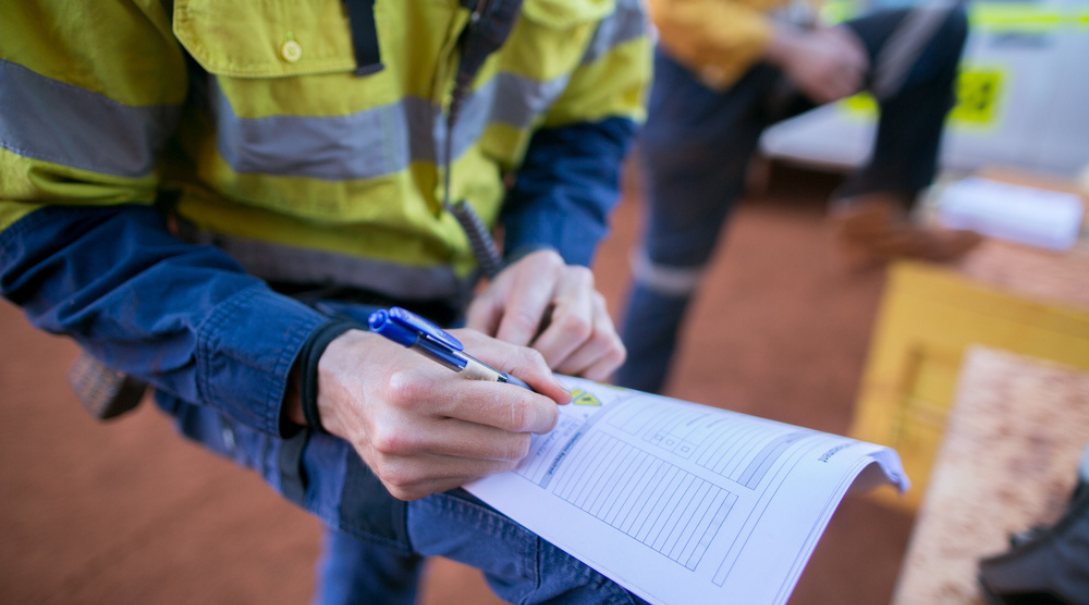
Are you in need of a Phase 1 Environmental Site Assessment?
AOTC’s experienced professionals are committed to providing comprehensive and affordable Phase 1 ESAs. These assessments are a primary component of due diligence when purchasing an existing or new commercial real estate property.
If you’re budgeting, here’s the short answer: most Phase I Environmental Site Assessments (Phase I ESAs) performed by an AOTC Environmental Professional typically fall in the $1,800 to $2,500 range for standard commercial properties.
Pricing can increase when the property is out-of-county from an AOTC office, greater than 20 acres, or has a higher-risk history that requires deeper research.
Ready to scope your assessment? Contact AOTC for a Phase I ESA quote.
Table of Contents
What is a Phase 1 Environmental Site Assessment?

A Phase 1 Environmental Site Assessment, also known as a Phase 1 Environmental, Phase 1 ESA, or Phase 1, is a series of environmental tests performed during a commercial real estate transaction. It is conducted to research the property’s current and historic environmental uses to identify potential environmental liabilities such as contamination risks and regulatory compliance issues.
The property’s history may include the presence of contaminants that could be harmful to people working or living there. Even if this is the case, it does not mean that you cannot still successfully acquire the property. Additional work may need to be done to ensure the public’s safety and maintain compliance.
Before the real estate transaction is completed, the developer, investor, or lender would obtain information gained through Phase 1 that would impact building and development plans. Many banks and some private lenders require a Phase 1 ESA to be performed as part of the loan agreement for the property.
Helpful context for buyers/lenders: Phase I ESAs are commonly performed to align with EPA’s All Appropriate Inquiries (AAI) expectations used for CERCLA liability protections.
Common Types of Phase 1 Environmental Site Assessments
Here are common property types where Phase 1 Environmental Site Assessments are conducted:
- Industrial or commercial properties on which operators used regulated hazardous materials
- Properties that are located near current industrial or commercial operations
- Oil or gas drilling properties
Phase 1 is typically conducted if an environmental lien is on a property involved in a real estate transaction. An environmental lien is a legal claim/encumbrance against a property for environmental harm or other damages caused by the owner or previous owner of the property.
The Phase 1 Environmental Assessment cost covers many activities and reports standardized by the American Society for Testing and Materials (ASTM).
Phase 1 Environmental Assessment Steps
Here are steps that are typically part of the ASTM standard for a Phase 1 Environmental checklist:
- Site Visit: investigation of the current and past environmental conditions of the property.
- In-Person Regulatory Agency File Reviews: performed at local and state agencies that could have interacted with the property, such as the Department of Environmental Protection, Building Department, and Health Department, among others.
- Historical Property Information Compilation: obtaining current and historical photos of aerial views of the property; examining historical city directories, topographic maps, and fire insurance maps; and conducting potential reviews for historical information at various local and state agencies.
- Current and Past Property Owner Interviews: obtaining additional information and insights about the property that cannot be found elsewhere.
- Government Record Audits and Database Reports: obtaining reports about the site conditions and history, revealing information such as under- or above-ground storage tanks or areas that contained hazardous materials.
- Activity Use Limitations and Environmental Lien Research: performed to discover any restrictions placed by local or state government, and if the property has a history of exposure to harmful elements, including chemicals and other materials.
- Conclusions and Recommendations: summarize the results and include professional recommendations for the next steps. If hazardous materials are found, additional testing is typically advised. If not, no additional environmental actions are required.
These steps may not necessarily be completed in this order, depending on the protocols of the environmental professionals performing the ESA. Phase 1 is typically customized to the needs of the particular site. Some properties may require more time with the site visit; others may require more work in obtaining audits and reports, etc.
How Much Does a Phase 1 Environmental Site Assessment Cost?

Phase 1 ESA is a vital expenditure to protect the landowner’s liability. While there’s no single fixed price, Phase I ESAs performed by an AOTC Environmental Professional are typically affordable without sacrificing quality at $1,800 to $2,500 for standard commercial properties.
Properties that are out-of-county of an AOTC office, greater than 20 acres, or located in higher-risk areas are priced to suit the client’s needs while ensuring a high-quality report that protects health and liability.
When asking about the Phase 1 Environmental Site Assessment cost, understand that specific pricing varies depending on several factors described below.
What’s typically included in a Phase I ESA:
- Records and database review (federal/state/local, where applicable)
- Historical sources review (aerials, directories, maps as needed)
- Site reconnaissance (visual inspection)
- Interviews (when applicable and available)
- Findings summary identifying potential concerns and recommended next steps
Most Phase 1 ESAs are completed within 2 to 4 weeks, depending on property size, location, and records complexity.
Factors Influencing Phase 1 ESA Costs
The most impactful elements when determining the Phase 1 Environmental Assessment cost are the property size, location, historical usage, and the complexity of the records review.
1. Property Size
The size of the property matters, but having a larger property to assess does not necessarily mean it will cost more. Each structure and location within the property needs to be inspected. A smaller site within city limits with multiple structures may take longer than a larger site in a rural area, increasing the cost.
2. History
Sites with a long history of usage and development will take more time and effort. Industrial and commercial sites may have a complex history of working with and/or storing hazardous materials above ground or below ground. From chemical manufacturers to dry cleaners or lots with a history of using herbicides and pesticides, the site’s history makes a difference in overall costs.
3. Location
The overall cost will also be affected by the geographic area where the site assessment is needed. The cost increases in correlation with the amount of distance/driving time required to reach the site.
4. Records Review Complexity
Those with a complex history will have multiple types of documentation to review. Cost is also affected if missing, damaged, or partial records exist. If this occurs, more time will be needed to appropriately analyze the documentation/site.
Each of these factors affects the cost, which could range in the hundreds or thousands of dollars, depending on the characteristics of the site and the amount of investigation needed to obtain the necessary information. Overall, the greater the complexity and remoteness of the property, the higher the average costs should be.
Importance of Conducting a Phase 1 ESA
Phase 1 ESAs play a critical role in protecting property investments, human health, and regulatory compliance. These assessments identify environmental risks early in the process when investors/buyers are considering purchasing a property for building and development. They also protect lenders in the transaction.
The Phase 1 Environmental Assessment can potentially save you significant remediation costs in the future, which could be crucial to the financial viability of the real estate investment and act as a safeguard for long-term company success.
If Phase I identifies concerns, Phase II may be recommended.

Is a Phase 2 ESA Required After a Phase 1 ESA?
Determining whether or not a Phase 2 ESA will be needed depends on the outcome of the Phase 1 ESA. Once Phase 1 is completed:
- If no contamination is found, conducting a Phase 2 ESA is unnecessary.
- If evidence of potential contamination has been found, then a Phase 2 ESA will be required.
When the Phase 1 ESA identifies potential environmental concerns, further investigation will need to be conducted. These procedures will incur additional costs.
Phase 2 ESA procedures often include:
- Sample collection from the grounds of the property (soil, soil vapor, groundwater)
- Examination and analysis of samples for traces of hazardous substances/petroleum products
- Comparison of samples against regulatory agency standards and screening levels
- Comprehensive reporting of Phase 2 results
The costs of Phase 2 will vary depending on site characteristics and the results of the Phase 1 ESA. Complex properties will increase costs. AOTC provides comprehensive environmental services, including hazardous waste management and site remediation, if needed.
Get Your Assessment Quote Today
By now, you should understand the Phase 1 Environmental Site Assessment cost. Phase 1 Environmental Assessments are critical to a successful commercial real estate transaction. Part of the due diligence process, Phase 1 ESAs protect buyers and lenders alike, providing the solutions you need and the peace of mind you need, and potentially saving high remediation costs in the future.
Contact AOTC for a customized quote for your Phase 1 ESA needs.
To quote faster, include: property address/county, acreage, number of structures, prior use (if known), and your timeline/closing date.