
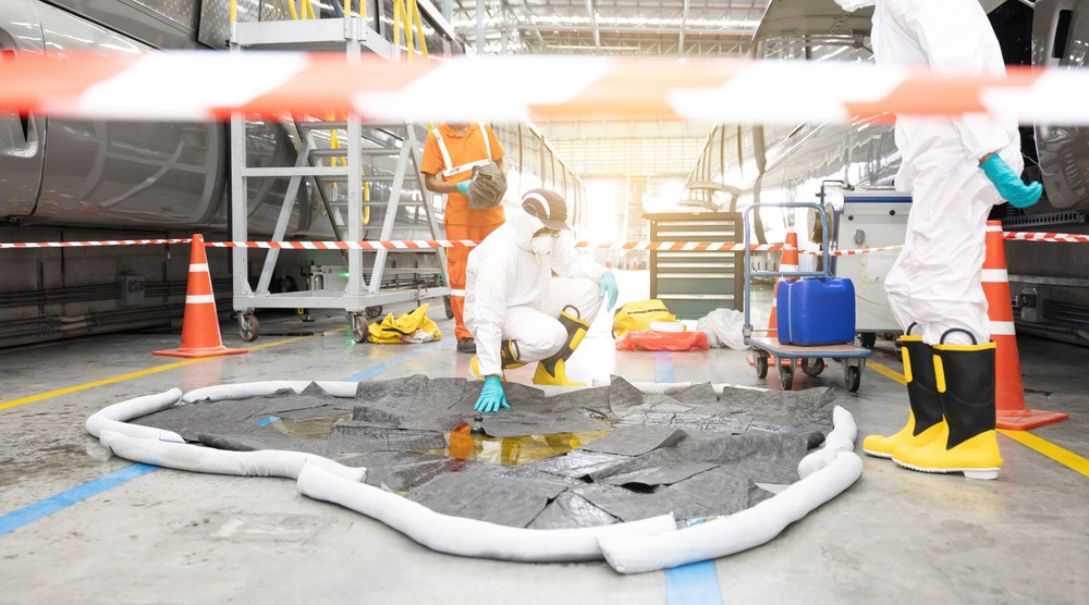
Secondary containment systems are one of the most critical safeguards for any business that handles hazardous materials, corrosive liquids, or dangerous compounds. From oil and fuel storage to chemical processing in machine shops, the risk of a spill is constant. Without proper containment, a single incident can cause massive environmental damage, OSHA citations, regulatory fines, and even operational shutdowns.
For Florida businesses in industries such as oil & gas, manufacturing, machine shops, and construction, investing in secondary containment isn’t just about compliance; it’s about protecting employees, the community, and the environment while avoiding unnecessary liability.
Table of Contents
What Is a Secondary Containment System?
A secondary containment system is any structure or device designed to prevent hazardous or corrosive substances from escaping into the environment in the event of a leak or spill. While primary containment refers to the tank, drum, or container holding the substance, secondary containment is the backup barrier that ensures a failure in the primary system doesn’t become a disaster.
Examples of Secondary Containment Systems
- Spill Berms and Dikes – Barriers surrounding tanks or equipment to capture leaks.
- Double-Walled Tanks – Tanks with an outer layer designed to contain leaks from the inner wall.
- Containment Sumps and Trays – Common in machine shops to capture oils, solvents, and corrosive fluids.
- Portable Spill Containment Units – Flexible berms for temporary work areas or mobile fueling.
These systems are a core requirement of EPA’s Spill Prevention, Control, and Countermeasure (SPCC) rule and are also tied to OSHA hazardous waste disposal standards.
Why Secondary Containment Systems Are Critical for Your Business

Preventing Environmental Damage
Oil leaks, corrosive spills, and chemical releases can contaminate Florida’s soil, groundwater, and stormwater systems in minutes. Containment systems serve as the last line of defense, minimizing the risk of widespread contamination that could require expensive environmental remediation.
Meeting OSHA and EPA Compliance Standards
- OSHA Compliance: Businesses are required to implement engineering controls to protect employees from exposure to hazardous substances.
- EPA SPCC Rule: Facilities storing oil in containers larger than 55 gallons may be subject to SPCC planning requirements, which often mandate secondary containment.
Noncompliance can lead to hefty fines, stop-work orders, and costly lawsuits.
Protecting Workers and Communities
For industries like manufacturing, oil & gas, and machine shops, even a small spill of corrosives or solvents can put workers at immediate risk. Containment systems help protect employees and surrounding communities by limiting exposure and preventing fires, explosions, or toxic releases.
Supporting Sustainability
Today’s businesses are increasingly judged not only on compliance but also on environmental responsibility. Secondary containment systems show commitment to sustainability, safety, and corporate responsibility, which strengthens brand reputation.
Types of Secondary Containment Systems
There is no “one-size-fits-all” system. Businesses must choose the right containment solutions based on the materials they handle, their facility layout, and the level of risk.
- Concrete Containment Dikes – Long-term containment for oil storage tanks.
- Spill Pallets and Trays – Ideal for machine shops storing multiple drums of solvents, corrosives, or oils.
- Double-Walled Tanks – Recommended for fuel storage, offering primary + secondary barriers in one unit.
- Underground Sumps and Basins – Capture leaks from underground pipelines or fueling stations.
- Portable Containment Berms – Common for contractors, temporary worksites, and emergency spill response.
Each system plays a crucial role in hazardous waste containment, helping businesses avoid the high costs associated with uncontrolled spills.
Regulatory Requirements You Should Know
EPA Spill Prevention, Control, and Countermeasure (SPCC)
- Applies to facilities storing large quantities of oil.
- Requires written spill prevention plans and secondary containment for storage tanks.
OSHA Hazardous Waste Standards
- Businesses must control hazardous waste at the point of generation.
- Secondary containment is a required control for many high-risk substances.
Florida State & Local Regulations
In Florida, agencies such as the Florida Department of Environmental Protection (FDEP) enforce containment standards for fuel tanks, industrial facilities, and remediation sites. Cities such as Tampa, Orlando, and Jacksonville often require additional spill prevention measures depending on facility type.
Failing to comply can expose companies to regulatory enforcement, lawsuits, and cleanup costs that far outweigh the cost of implementing proper containment.
How to Choose the Right Containment System for Your Business
When selecting a system, businesses must consider:
- Type of Materials Stored: Oils, fuels, corrosives, solvents.
- Volume and Storage Method: Above-ground tanks vs. drums vs. pipelines.
- Industry Standards: Manufacturing vs. oil & gas vs. machining operations.
- Location and Risk: Coastal Florida facilities face unique challenges with storm surges and groundwater protection.
For example:
- A machine shop in Jacksonville may need drum spill pallets and containment trays.
- An oil company near Tampa will require permanent dikes and SPCC-compliant tank systems.
- A contractor in Orlando working with mobile fueling may depend on portable containment berms.
Partnering with AOTC for Compliance and Safety
 At Alpha-Omega Training & Compliance (AOTC), we help Florida businesses safeguard operations with custom secondary containment solutions, OSHA compliance training, and full environmental consulting services.
Our team of environmental scientists, industrial hygienists, and compliance experts provides:
- Containment system assessments and design consulting
- Hazardous waste disposal and remediation services
- OSHA compliance audits and training programs
- Emergency spill response planning
Whether you run a machine shop, fuel depot, or chemical processing facility, AOTC ensures your business stays compliant and prepared.
Protect Your Business Before It’s Too Late
Secondary containment systems are not optional for businesses that handle hazardous or corrosive materials; they’re a legal requirement, a safety measure, and a financial safeguard.
For companies across Florida, from oil companies in Tampa to machine shops in Jacksonville, investing in the right containment system ensures compliance, protects your workers, and keeps your community safe.
Contact AOTC today to schedule a containment system assessment, compliance audit, or training program tailored to your industry.
FAQs
Do all Florida businesses need secondary containment systems?
Not all, but any facility that stores oil, fuel, hazardous waste, or corrosive materials in significant quantities is typically required under EPA SPCC rules or OSHA standards.
What materials require secondary containment?
Common examples include oil, fuel, solvents, corrosives, pesticides, and other hazardous chemicals.
How often should containment systems be inspected?
Most systems should be inspected monthly, with records kept for compliance. Tanks may require more frequent checks under SPCC regulations.
What happens if I don’t have secondary containment?
Without proper containment, a single spill can lead to regulatory fines, OSHA violations, environmental remediation costs, and potential lawsuits.