
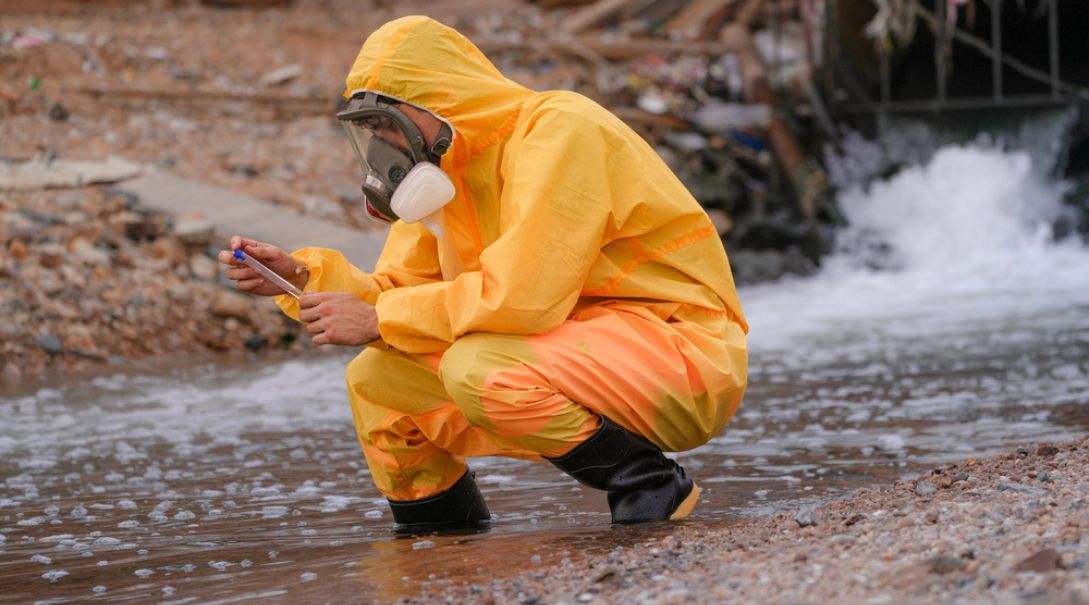
Stormwater sampling is one of the easiest compliance items to “almost” do right until an inspection, a missed sampling window, or a benchmark exceedance forces you into corrective actions and extra monitoring.
This guide covers the essentials that facility teams actually need:
- What to test (and how to confirm your exact parameter list)
- How often does sampling happen under common NPDES stormwater permits
- How to sample and document correctly so your results are defensible
- How to respond to exceedances and reduce violation risk
Need help getting sampling, SWPPP documentation, and reporting under control? Learn more about AOTC’s Stormwater Compliance Support and Sampling Services.
Table of Contents
A quick permit update for 2026
If you’re covered under EPA’s 2021 Multi-Sector General Permit (MSGP) for industrial stormwater, note that it expired February 28, 2026, and is administratively continued for operators already covered under it.
That means your monitoring and SWPPP obligations don’t just disappear. You still need to follow the permit terms that apply to your facility.
Start here: where your stormwater sampling requirements actually come from
Stormwater sampling isn’t “one standard checklist.” Your requirements come from a combination of:
1) Your permit type
Most facilities fall under one of these:
- Industrial stormwater permit
- Construction stormwater permit
- Individual NPDES permit
If you’re operating in Florida and still mapping out the right permit path, read our guide on how to get your NPDES permit in Florida.
2) Your SWPPP
Your SWPPP should clearly connect:
- Pollutant sources → BMPs → outfalls → monitoring requirements: If your map is outdated or your exposed areas changed, your sampling plan can quietly become noncompliant.
If you need a plan built or updated for real-world operations, learn more about AOTC’s Stormwater Pollution Prevention Plan (SWPPP) services.
3) Sector/activity requirements and receiving water conditions
Industrial permits commonly add monitoring based on your sector and can also add requirements tied to impaired waters/TMDLs.
What to test: common stormwater parameters
“Baseline” stormwater indicators
- TSS (Total Suspended Solids): sediment/solids loading, tracking housekeeping and erosion exposure
- pH: potential chemical exposure or process influence
- Oil & Grease: fuels, lubricants, hydraulic fluids
Metals
Often includes metals like:
- Copper, zinc, lead, iron, aluminum
- Chromium/nickel
Nutrients and bacteria
Depending on your site and receiving water:
- Nitrogen/phosphorus
- E. coli / fecal indicators
How often do you need to sample stormwater?
Sampling frequency depends on permit type and your facility triggers. Here are the most common patterns:
Industrial stormwater (MSGP-style): typically structured monitoring periods
Industrial stormwater monitoring often includes:
- periodic benchmark/analytical monitoring (commonly quarterly during defined monitoring periods)
- visual assessments
- annual comprehensive inspections
(Exact cadence depends on permit authority and sector requirements.)
Construction stormwater: inspections come first, sampling depends on permit authority
Many construction programs are built around documented site inspections and BMP maintenance. Sampling can still apply in certain scenarios, so you must follow your specific permit language and project conditions.
Individual permits: follow the permit exactly
If you have an individual NPDES permit, you may see monthly, weekly, per-event, seasonal, or discharge-duration-based monitoring. There’s no safe “rule of thumb” here.
If you want AOTC to confirm your sampling cadence and parameter list, contact us today.
How to sample correctly
Most stormwater issues aren’t from “no sampling.” They come from sampling that can’t be defended.
1) Sample timing matters more than most people think
Many permits define sampling windows like “within the first X minutes” or “within the first hour” of discharge. Missing the window can mean the sample doesn’t count, even if the lab results look fine.
2) Grab vs composite: don’t guess
The collection method can depend on the pollutant and method requirements. Treat this like a procedure, not a preference:
- written collection steps
- staff training
- consistent documentation
3) Containers, preservation, and holding times can invalidate results
Wrong bottle type, wrong preservation, or blown holding times can lead to unusable data and compliance headaches. Your sampling program should include:
- a pre-staged sampling kit
- clear labeling
- chain-of-custody process
- same-day delivery plan when required
4) Chain-of-custody and field notes are part of compliance
At minimum, document:
- outfall ID + location
- discharge start time + sample time
- rainfall amount and preceding dry period
- sampler name and method
- photos (highly recommended)
If you want a compliance-ready process (sampling + documentation + reporting), AOTC provides Annual Stormwater Sampling (NPDES) services.
Benchmarks vs violations: what actually triggers NPDES trouble?
Benchmark exceedance isn’t the same as an effluent limit exceedance
In many industrial programs, benchmarks are used to evaluate stormwater control performance. The real compliance risk comes from failing to follow the required response process: corrective actions, documentation, follow-up monitoring, and SWPPP updates.
Documentation failures are a fast path to violations
Common “paper violations” include:
- missed sampling windows
- incomplete inspection logs
- missing corrective action documentation
- outdated SWPPP/site maps
- late or missing reports
If your program hasn’t been reviewed recently, consider an internal check using AOTC’s Environmental Compliance Audit Guidance.
How to avoid NPDES violations
Here’s what consistently reduces compliance risk:
1) Build a one-page stormwater “requirements matrix”
Create a simple matrix listing:
- each outfall
- parameters by outfall
- sampling frequency + timing window
- visual/inspection requirements
- reporting deadlines
- triggers (what happens when results exceed a benchmark/threshold)
2) Keep the SWPPP aligned with operations
New materials stored outside, regraded yards, added equipment, changed traffic patterns—these all change stormwater exposure. Update the SWPPP before an inspector forces the issue.
For more context, see When a SWPPP is Required.
If you need a site-specific plan, learn more about AOTC’s SWPPP services.
H3: 3) Treat exceedances like a process
When results come back high:
- Confirm sample validity (timing, outfall, lab qualifiers)
- Verify you’re comparing correctly (units, correct threshold)
- Document likely sources and site conditions
- Implement targeted BMP changes
- Track follow-up monitoring to prove improvement
4) Use a compliance partner when the stakes are high
If you’re short-staffed, expanding operations, or already seeing exceedances, getting support early prevents expensive reactive work later.
AOTC can support stormwater programs through sampling, SWPPP updates, and broader compliance planning via:
For full support, contact us today.
Signs your stormwater sampling program needs a reset

It’s time to tighten the program if:
- Sampling is inconsistent or “event-driven by memory”
- SWPPP hasn’t been updated to match the site
- Outfalls aren’t clearly mapped/justified
- You’re getting repeat benchmark exceedances
- You’ve had a notice, inspection request, or enforcement attention
If any of these apply, AOTC can help you get inspection-ready fast. Contact us today.
Final takeaway
Stormwater sampling compliance comes down to four things:
- the right parameters
- the right timing
- the right documentation
- the right response when results come back
If you want AOTC to help you tighten your stormwater sampling program and reduce NPDES risk, contact us today.