
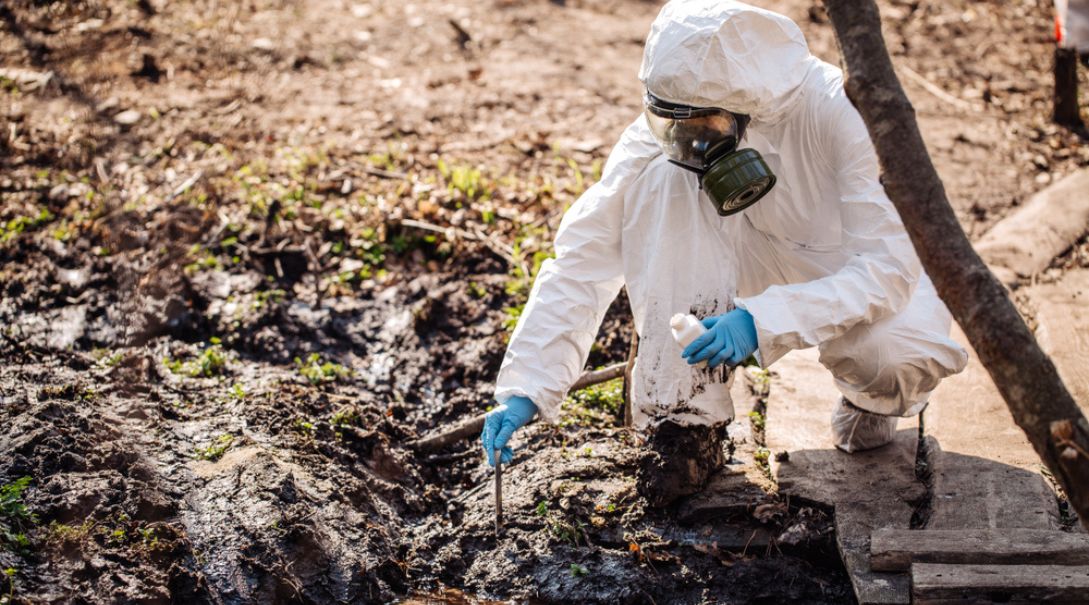
The basic approaches to remediating contaminated soil include proven physical, chemical, and biological techniques used to reduce risk, restore safety, and meet environmental compliance requirements. For facility managers, contractors, and business owners, soil contamination is not just an environmental issue. It can delay projects, create regulatory exposure, and put workers and surrounding communities at risk.
Soil becomes contaminated when fuel, chemicals, heavy metals, or hazardous materials enter the ground through spills, leaks, or legacy site conditions. When this happens, fast and informed action is critical. Proper decontamination procedures and soil remediation methods help control exposure, protect groundwater, and keep operations moving without unnecessary downtime.
At AOTC, we support organizations across Florida with environmental remediation, emergency response, and compliance services in locations such as Titusville, Jacksonville, Tampa, and Newberry. This guide explains how contaminated soil forms, why remediation is required, and how soil remediation techniques are selected to resolve contamination safely, efficiently, and for the long term.
Table of Contents
What Is Contaminated Soil?
Contaminated soil is soil that contains unsafe levels of chemicals or materials. These substances may come from human activity or natural processes, and they can remain in the ground for years if not treated. Pollutants can build up in soil through:
- Industrial activity and leaking machinery
- Fuel spills from vehicles, generators, and tanks
- Improper waste disposal from businesses or construction sites
- Storage of hazardous materials
- Runoff from chemical use, pesticides, or solvents
- Old facilities that left contamination behind
Pollutants such as petroleum products, solvents, heavy metals, and chemical residues often adsorb to organic matter or move downward through soil layers. Some produce soil vapors that rise into buildings, creating indoor air risks. Others spread slowly until they reach the groundwater. Because contaminants in the soil can migrate or change form over time, the remediation process must be carefully selected to prevent further impact.
Why Remediating Contaminated Soil Is Necessary
Contaminated soil can affect people, water, wildlife, and property development. Leaving it untreated can lead to costly and difficult-to-correct issues later.
Key Reasons
- Reduces human exposure to harmful chemicals and hazardous materials
- Prevents contaminants in soil from spreading into groundwater or nearby waterways
- Stops soil vapors from entering buildings and affecting indoor air
- Protects wildlife, plants, and surrounding ecosystems from long-term harm
- Avoids legal issues and enforcement actions related to pollution
- Prevents construction delays caused by unsafe soil conditions
- Supports safe property transfer, redevelopment, or expansion
These risks underscore the need for proper decontamination procedures and soil remediation methods. AOTC supports commercial, industrial, utility, and government organizations across Florida, ensuring each contamination site is addressed safely, responsibly, and in compliance with regulatory requirements.
How Environmental Professionals Select Soil Remediation Methods
Different contamination sites require different solutions.
Soil remediation depends on the contaminants present, their depth, the soil type, and the property’s current and future use. Environmental professionals evaluate these conditions before selecting a method.
Main Approaches
- Physical removal through excavation and waste disposal
- On-site treatment, such as bioremediation or chemical oxidation
- Treatment of soil vapors through extraction systems
- Methods that immobilize contaminants in soil
- Thermal therapy for chemicals that require high temperatures
- Pump and treat systems that remediate groundwater and reduce soil impacts
- Chemical disinfection and oxidation for specific pollutants
Across Tampa, Jacksonville, Titusville, and Newberry, AOTC evaluates real-world site conditions, contaminant behavior, and regulatory requirements to select remediation strategies that reduce risk, protect operations, and keep projects on schedule.
The Basic Approaches to Remediating Contaminated Soil
These methods help remove pollutants, reduce risk, and restore soil so the land can return to safe use.
 Excavation and Removal
 Excavation and Removal
Excavation is a straightforward method for remediating contaminated soil. Workers dig up polluted soil and transport it to approved facilities for treatment or disposal as waste. This method is standard when pollutants are found at high concentrations near the surface. It provides fast results and is often used when the contamination cannot safely remain in place.
Pump and Treat
Pump-and-treat systems remove and treat contaminated groundwater. As water is pumped to the surface and processed through filters or treatment systems, it removes pollutants that move between soil and groundwater. This technique supports soil remediation by lowering contamination levels around the site and preventing further spread.
Soil Vapor Extraction
Soil vapor extraction removes airborne pollutants that travel through dry soil layers. A vacuum pulls soil vapors into a treatment unit, reducing indoor air risks and lowering concentrations in the unsaturated zone. This method is effective for petroleum products, solvents, and similar pollutants.
Stabilization and Solidification
Stabilization and solidification methods add materials that bind pollutants and prevent their spread. These additives reduce contaminants’ ability to dissolve or move through soil. This method is often used for heavy metals and other difficult-to-degrade pollutants. It improves stability and prevents future release.
Chemical Oxidation
Chemical oxidation uses oxidizing agents to break down contaminants from the soil. These chemicals react with pollutants, converting them into harmless substances. This method is effective for organic matter such as petroleum hydrocarbons or industrial solvents. It can be completed on-site without removing soil, which saves time and cost.
Bioremediation
Bioremediation relies on microorganisms that feed on organic contaminants. These microbes break down pollutants naturally over time. By adding air, nutrients, or moisture, professionals can increase microbial activity. Bioremediation works well for petroleum contamination and other organic matter and is often used when excavation is not practical.
In-Situ vs Ex-Situ Soil Remediation Methods
Soil remediation can be completed on-site or off-site, depending on the contaminants, soil conditions, and project goals. Understanding the difference between in-situ and ex-situ soil remediation methods helps explain why environmental professionals choose one approach over the other.
|
Category |
In-Situ Remediation |
Ex-Situ Remediation |
|
Where Treatment Happens |
Soil is treated on-site without excavation | Soil is removed from the site for treatment elsewhere |
|
Typical Methods |
Bioremediation, chemical oxidation, soil vapor extraction, and some chemical disinfection processes |
Thermal treatment, aggressive chemical treatment, mechanical separation, and off-site soil washing |
|
Soil Disturbance |
Minimal disturbance to the ground and surrounding areas |
Significant disturbance because the soil must be excavated |
|
Transportation Needs |
Little to no transportation required |
Soil must be transported to treatment or disposal facilities |
|
Speed of Remediation |
May take longer depending on soil and contaminants |
Often faster due to controlled treatment conditions |
|
Best For |
Sites with access limits or contaminants responsive to on-site treatment |
High concentrations, heavy metals, or pollutants that need high temperatures or intensive treatment |
|
Limitations |
Not effective for contaminants that resist chemical or biological breakdown |
Requires more equipment, cost, and coordination |
|
Common Uses |
Fuel releases, solvent vapors, and organic contaminants |
Industrial contamination, hazardous materials that require thermal destruction |
Both in-situ and ex-situ methods play an essential role in soil remediation. Professionals select the approach that best fits the contamination type, site conditions, and regulatory requirements to ensure a safe and effective remediation.
What Is the Best Method of Decontamination?
There is no single answer to what the best method of decontamination is. The right approach depends on the type of contaminant, its concentration, soil type, access, and the project timeline. For example, thermal treatment may be needed for chemicals that resist biological or chemical breakdown, while bioremediation works well for organic contaminants that microbes can process.
Environmental specialists evaluate contaminated soil by reviewing analytical data, sampling results, exposure pathways, and agency requirements. AOTC performs these evaluations throughout Florida to implement remediation strategies that are safe, defensible, and fully aligned with regulatory expectations.
Factors That Determine the Right Soil Remediation Method
Selecting a remediation method involves several important factors:
- Contaminant type, such as solvents, heavy metals, or fuel
- The behavior of the pollutant and how it reacts with the soil
- Depth and spread of pollution throughout the contamination site
- Soil type and the amount of organic matter present
- Groundwater impact and movement
- Access for equipment or treatment systems
- Cost and schedule considerations
- Regulatory rules for remediation and documentation
These elements guide every remediation process and help professionals choose methods that protect people and the environment for the long term.
Regulatory Requirements for Remediating Contaminated Soil
Soil remediation must comply with local, state, and federal regulations. These rules help ensure the remediation is safe, adequately documented, and protective of public health.
Requirements
- Site assessments and sampling plans
- Permits for treatment, disposal, or soil movement
- Testing to identify and confirm contaminants
- Approved decontamination procedures
- Reporting to environmental agencies
- Documentation of treatment results and final verification
- Compliance reviews for waste disposal and transportation
AOTC actively manages the regulatory process across Florida, leading agency coordination, handling all required documentation, and ensuring compliance requirements are met without delays, rework, or unexpected setbacks.
Why Professional Environmental Remediation Is Essential
Environmental remediation involves specialized equipment, safety controls, and technical knowledge. Handling contaminated soil without proper training can cause exposure, spread pollutants, or violate regulations. Professionals understand how contaminants behave, how soil vapors move, when high temperatures are needed for thermal treatment, and how to apply the correct soil remediation techniques.
How AOTC Approaches Soil Remediation Projects
We begin each soil remediation project with a detailed study of the contamination site. Our team collects samples, analyzes the contaminants, reviews exposure risks, and determines which soil remediation methods will achieve the best results. We coordinate with environmental agencies to confirm all requirements and project timelines before work begins.
Depending on site conditions, we may use bioremediation, excavation, chemical oxidation, stabilization, or other proven technologies. Our focus is always on safety, efficient remediation, and restoring the property for long-term use.
Environmental Remediation Services Offered by AOTC
AOTC offers a full range of environmental remediation services that support contaminated soil remediation. These services include:
- Environmental Site Assessments
- Soil and groundwater sampling
- Hazardous waste management
- Spill response
- System installation and maintenance
- Long-term monitoring and reporting
These services help businesses stay compliant and maintain safe conditions for workers and nearby communities.
Partner with AOTC for Environmental Remediation Services
 Contaminated soil creates a real risk for operations, compliance, and long-term site use. Addressing it early helps limit exposure, avoid costly delays, and maintain control of your project. AOTC works with commercial, industrial, utility, and public-sector organizations across Florida, including Titusville, Jacksonville, Tampa, and Newberry, to safely and fully resolve contamination in complete alignment with regulatory requirements.
Environmental remediation requires timely action, informed decision-making, and experienced execution. Working with a qualified team helps ensure the issue is addressed the first time, reducing risk and protecting both people and property in the long term.
We assess conditions, determine the proper remediation strategy, and manage the process from evaluation through compliance, allowing you to move forward with clarity and confidence.
If you are facing a contamination concern or need professional environmental remediation support, contact AOTC today. Schedule a consultation with our team and take the first step toward resolving the issue before it escalates.