
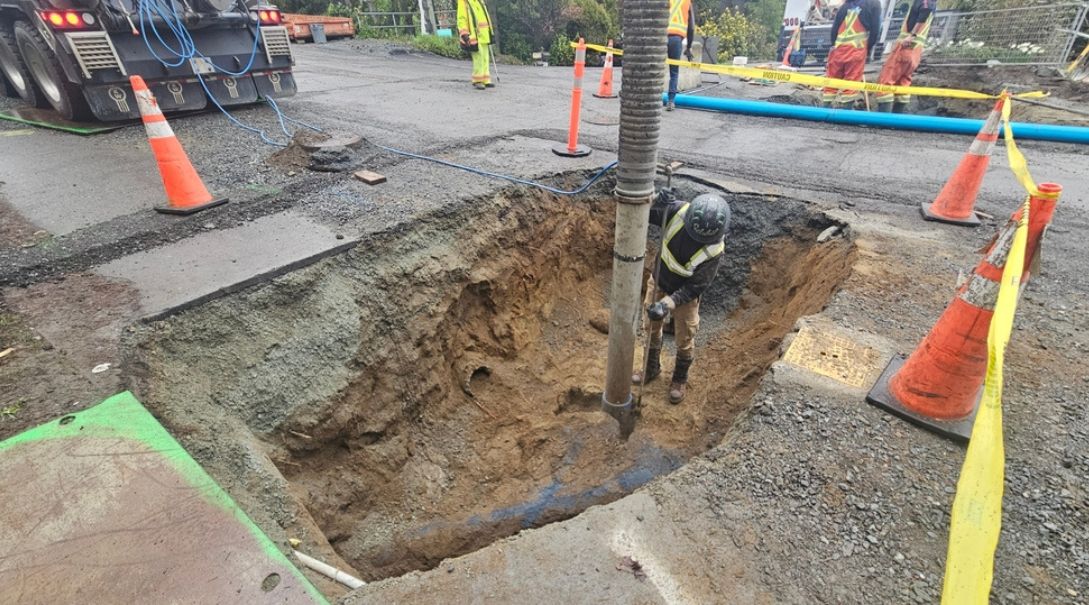
Excavation is one of the riskiest parts of any construction, utility, or environmental project. A single mistake can rupture a gas pipeline, sever a fiber-optic line, or cause a trench collapse that endangers workers. Across the U.S., these incidents cost businesses billions of dollars annually in repairs, fines, and downtime.
In Florida, where dense underground utility networks run through cities like Tampa, Orlando, and Jacksonville, the risks are even higher. Traditional digging methods, such as backhoes and hand shovels, may be fast, but they come with high liability and regulatory exposure.
That’s why industries are increasingly turning to vacuum excavation, a non-destructive digging (NDD) method that combines powerful suction with pressurized air or water to safely expose underground utilities while meeting OSHA and EPA compliance standards.
Table of Contents
What Is Vacuum Excavation?
Vacuum excavation is a precision excavation method that uses:
- Hydro Excavation (Hydro-Vac) – High-pressure water to cut through soil, followed by suction.
- Air Excavation (Air-Vac) – Compressed air to break apart soil, then vacuum removal.
Both methods channel loosened soil into a sealed debris tank on a vacuum truck, keeping the worksite clean and minimizing environmental risks.
Unlike mechanical digging, vacuum excavation is designed to eliminate utility strikes, protect workers, and reduce liability exposure.
How Vacuum Excavation Works in Practice
Step 1: Site Preparation
Crews mark the excavation site, set up safety barriers, and position the vacuum truck.
Step 2: Soil Disruption
- Hydro excavation injects water into the ground to cut through clay, sand, or compacted soil.
- Air excavation fractures soil without producing slurry, allowing spoil to be reused.
Step 3: Suction and Collection
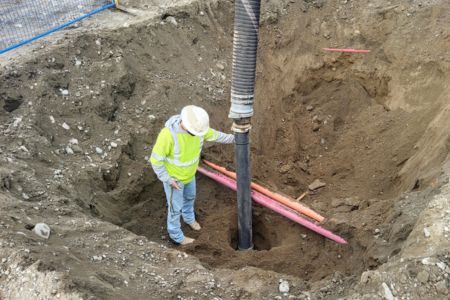
A high-powered vacuum hose transfers soil and liquids into a truck’s debris tank. This containment prevents stormwater contamination and hazardous runoff.
Step 4: Utility Exposure
The underground line, pipe, or structure is revealed without damage. Crews can now safely perform maintenance, inspections, or installations without damaging critical infrastructure.
Why Florida Businesses Are Choosing Vacuum Excavation
Preventing Utility Strikes
In 2022, Florida utilities reported over 8,000 utility damages from excavation. Each incident can result in OSHA citations, repair bills, and service disruptions. Vacuum excavation reduces these risks dramatically.
OSHA and Worker Safety Compliance
- OSHA trenching and excavation standards require protective systems for workers.
- A single “willful” OSHA violation related to excavation safety can carry penalties exceeding $161,000 per incident (OSHA penalties page).
- Vacuum excavation reduces trench depth requirements and limits worker exposure.
Environmental Protection
Vacuum trucks prevent loose soil and contaminated materials from entering Florida’s stormwater systems and aquifers. For businesses near coastal or environmentally sensitive areas, this is critical for avoiding EPA and FDEP enforcement actions.
Cost Control
While a hydro-vac truck may cost more per hour than a backhoe, avoiding just one utility strike (often $50,000–$200,000+) makes vacuum excavation the more cost-effective option.
Types of Vacuum Excavation Equipment
- Hydro-Vac Trucks – Handle tough soils and deeper digs.
- Air-Vac Systems – Best when spoil needs to be reused as backfill.
- Trailer-Mounted Units – Portable setups for tight or remote job sites.
- Combo Units – Hybrid systems offering both air and water excavation.
Florida contractors often deploy hydro-vac trucks in dense city zones like Tampa, while air-vac systems are preferred in drier, sandy soils common in Central Florida.
Regulatory Requirements in Florida
- OSHA Standards: Vacuum excavation aligns with OSHA’s trenching and excavation rules by reducing risks of cave-ins and minimizing worker entry into hazardous zones.
- EPA & FDEP Rules: Sealed debris tanks prevent soil and wastewater from polluting Florida’s waterways. Facilities subject to SPCC rules can leverage vacuum excavation for compliant soil removal.
- Florida 811 Dig Safe Law: State law requires all contractors to locate utilities before digging. In high-risk areas, vacuum excavation is often the most compliant method for safely exposing utilities.
Industries That Benefit from Vacuum Excavation
- Oil & Gas Companies – Exposing pipelines without risk of rupture.
- Construction Contractors – Installing utilities in urban Florida projects.
- Municipalities – Sewer, stormwater, and electrical line maintenance.
- Environmental Remediation Firms – Precise soil removal for contaminated sites.
- Industrial Facilities & Machine Shops – Locating tanks and drainage without disrupting operations.
Florida Case Example
A Central Florida contractor faced repeated delays after striking a fiber-optic line during utility installation. Each incident costs more than $90,000 in repairs and downtime, along with OSHA inspections. After switching to hydro-vac excavation, the company completed projects faster, eliminated line-strike incidents, and significantly reduced insurance premiums.
Partnering with AOTC for Safe Excavation

At Alpha-Omega Training & Compliance (AOTC), we help Florida businesses dig smarter and safer with vacuum excavation consulting, training, and compliance services.
Our expertise includes:
- Vacuum truck operations training
- OSHA excavation compliance audits
- Environmental spill prevention and waste disposal
- Emergency response and remediation planning
Whether you’re an oil company in Tampa, a utility in Jacksonville, or a contractor in Orlando, AOTC ensures that your excavation projects are safe, compliant, and cost-effective.
The Smarter, Safer Way to Dig in Florida
Vacuum excavation is more than just a modern excavation technique; it’s a compliance tool, a safety system, and a cost-saving investment.
For Florida industries ranging from oil companies on the Gulf Coast to machine shops in Central Florida, vacuum excavation ensures projects are safe, efficient, and regulatory-compliant. Contact AOTC today to schedule vacuum excavation training, compliance consulting, or an excavation safety audit.
FAQs
Why is vacuum excavation safer than mechanical digging?
Because it uses suction and air/water to gently expose utilities, reducing the chance of line strikes and trench collapses.
Hydro-Vac vs. Air-Vac — which is better?
- Hydro-Vac: Faster, effective in compacted soil, but slurry requires disposal.
- Air-Vac: Slower, but spoil can be reused as backfill.
Do I need special permits for vacuum excavation in Florida?
Yes. Florida requires 811 utility location prior to digging, and some municipalities may require additional environmental permits.
What are the penalties for unsafe excavation in Florida?
OSHA fines for trenching and excavation violations can exceed $161,000 per violation, and utility damages may result in lawsuits, environmental remediation costs, and project shutdowns.