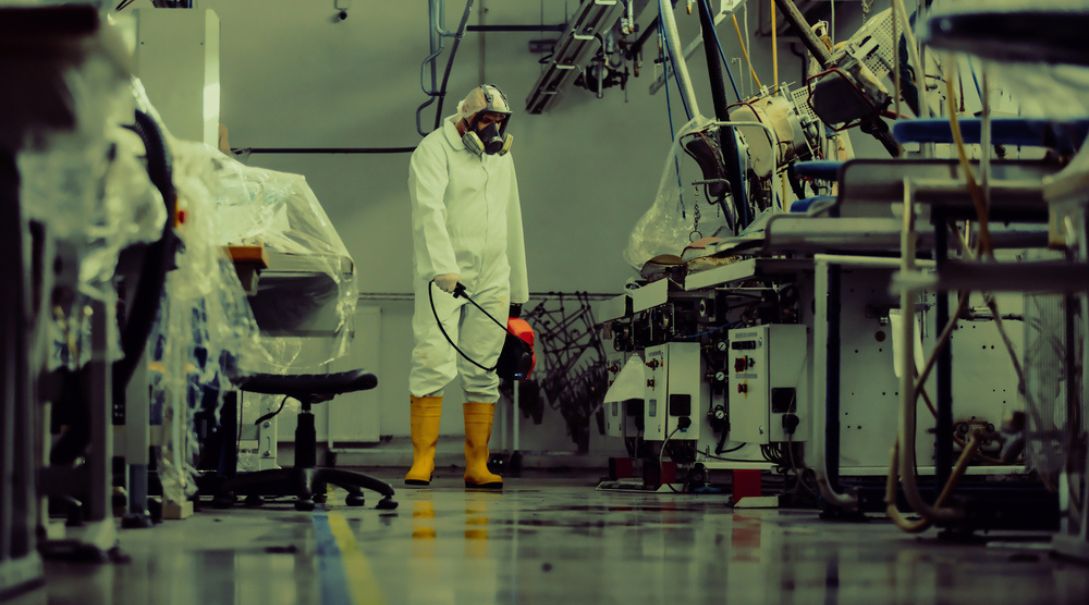
Emergency decontamination is a critical part of a safe response when hazardous materials are suddenly released. In urgent situations, a fast emergency decon effort helps protect people, reduce the spread of contamination, and bring the incident scene under control so responders can work safely. Quick action also limits equipment damage, shortens downtime, and helps facilities recover sooner.
This work supports overall safety and the recovery steps that follow during environmental cleanup. AOTC provides this support across Florida by responding quickly, assessing conditions, and applying safe methods that help remove contaminants and protect workers. Our role also connects to environmental remediation services, which address long-term cleanup needs and help restore the site once the immediate hazard is under control.
Table of Contents
What Is Emergency Decontamination?
Emergency decontamination is the quick process of removing, neutralizing, or reducing hazardous materials after an unexpected release. Emergency decon happens during urgent situations when people, facilities, or the environment face direct risk. Exposure is reduced through physical removal, washing, dry decontamination, chemical neutralization, or isolating contaminated areas.
Unlike planned decontamination, which is scheduled and predictable, emergency decontamination happens without warning and requires trained responders who can act fast.
Why Emergency Decontamination Is Critical
Hazardous materials can cause injuries, chemical burns, breathing problems, and other adverse health effects. When these substances stay on skin, clothing, equipment, or surfaces, the danger increases with every minute of delay. Contamination can spread to nearby workers, move into shared spaces, or reach soil and water, making cleanup more difficult and costly.
A slow response creates additional problems, such as:
- Contaminants spreading beyond the incident scene
- Increased exposure for employees or first responders
- Operations shutting down unexpectedly
- Waste is becoming harder to control
- Damage to equipment and facility structures
- Safety violations that may lead to regulatory action
This is why fast emergency decontamination is essential. Fire departments, environmental teams, and trained responders secure the area, guide people out of the hot zone, and use appropriate personal protective equipment to remove contaminants safely. Quick action helps stop the spread, reduce injuries, and protect the surrounding environment.
AOTC supports these efforts across Florida by responding to urgent situations, assessing hazards, and applying safe procedures to help stabilize conditions. Our experience with emergency response and Environmental Remediation Services allows facilities to reduce risk, limit damage, and recover more efficiently.
When Emergency Decontamination Is Needed
Emergency decontamination is required whenever hazardous materials are suddenly present and pose an immediate threat. This includes situations like:
- Chemical spills in factories, laboratories, or warehouses
- Fuel leaks at transportation sites
- Biological exposures
- Industrial equipment failures that release harmful substances
- Transportation accidents involving hazardous materials
- Unknown substances found in public or work areas
In these moments, responders must act fast to remove contaminants before they cause greater harm.
How Emergency Decontamination Works
The emergency decon process must be organized, fast, and safe. Responders follow a structured approach from the moment they arrive at the incident scene to the final testing and approval.
 Initial Hazard Assessment and Scene Control
 Initial Hazard Assessment and Scene Control
Teams first identify the type of hazard, how far it has spread, and who or what is affected. They set up control zones, often marked as hot, warm, and cold. The hot zone contains the contamination. Access is limited to trained workers wearing the correct personal protective equipment.
Scene control prevents others from entering dangerous areas. It also prevents contaminants from spreading, especially if wind, water flow, or people movement could carry materials outside the affected area.
Containment and Exposure Control
After the hazard is identified, responders take steps to limit exposure. This can include stopping leaks, closing valves, isolating equipment, using absorbent materials, and creating barriers.
Some responses use a ladder pipe system that sprays large volumes of water from above to help rinse contaminants off people during mass decontamination events. Fire departments often use this method during significant incidents involving many individuals.
Decontamination Procedures
Decontamination procedures depend on the substance involved. They may include:
- Washing affected skin, tools, or surfaces
- Neutralizing chemicals
- Removing contaminated clothing or outer clothing
- Physical removal of contaminants from equipment
- Handling waste according to safety rules
In many incidents, contaminated clothing is a primary source of exposure. Removing outer clothing can remove a large portion of contaminants and reduce the risk of adverse health effects.
Technical decontamination may be needed when hazardous materials require special tools, chemical treatments, or detailed cleanup steps. AOTC’s team is trained to select the correct procedures for each situation and ensure contaminants are removed safely.
Verification and Monitoring
Once decontamination is complete, the area must be tested. This can include air sampling, surface testing, or visual checks to confirm that hazards are reduced to safe levels. Verification ensures that workers can return to the area and that the clean-up meets regulatory standards.
AOTC documents every step, provides reports, and confirms that the site meets safety expectations before operations resume.
Emergency Decon vs Planned Decontamination
Emergency decon is unplanned and happens during urgent situations. It requires fast decisions and immediate action. Planned decontamination, on the other hand, is scheduled and usually involves predictable conditions.
Key differences include:
- Emergency decon occurs after a sudden release of hazardous materials
- Planned decontamination involves routine cleaning, maintenance, or shutdowns
- Emergency work may involve unknown substances
- Planned work follows a regular schedule and safety plan
Because emergencies change quickly, they require trained responders and proper equipment.
Mass Decontamination Scenarios
Some emergencies involve widespread exposure, creating situations where standard decontamination steps are not enough. In these events, responders must move quickly to set up mass decontamination systems that can process large numbers of individuals without slowing the overall response.
During mass decontamination, people are directed through washing stations, ladder pipe systems, or dry decontamination areas depending on the substance involved. The main goal is to remove contaminants from skin, hair, and outer clothing so hazardous materials do not spread to others or move into the cold zone.
Fire departments, emergency services, and medical teams work together to manage the flow of people, monitor for symptoms, and ensure each individual is processed safely. This level of coordination is essential for controlling contamination, especially when the incident scene is busy or crowded or exposed to ongoing risks.
Common Hazards Requiring Emergency Decontamination
Emergency decontamination may be required for many different hazardous materials. Some of the most common include:
- Industrial chemicals used in manufacturing, processing, or cleaning
- Corrosive liquids that burn skin or damage equipment
- Petroleum and fuel products released during storage or transportation
- Biological materials that can spread illness or cause adverse health effects
- Unknown substances found on surfaces, clothing, or equipment
- Powders, dusts, vapors, and liquids that create immediate exposure risks
Because each type of contaminant behaves differently, responders must identify the substance as quickly as possible. Correct identification allows them to choose the proper removal method, whether it involves physical removal, dry decontamination, chemical neutralization, or isolating affected areas.
Regulatory and Safety Considerations During Emergency Decontamination
Emergency decontamination must comply with local, state, and federal regulations. Agencies such as OSHA and the EPA require proper documentation, use of personal protective equipment, and safe waste disposal.
Facilities must also record the types of decontamination used, the amount of waste removed, and the testing results that show the area is safe.
AOTC supports these requirements by helping Florida facilities comply with regulatory standards, maintain required reports, and complete cleanup safely and correctly.
Why Professional Emergency Decontamination Services Are Essential
Trained professionals perform emergency decontamination because hazardous materials can be dangerous and unpredictable. Responders must know how to select appropriate personal protective equipment, use proper decontamination methods, and follow safety rules to avoid injuries.
Professional teams reduce mistakes, protect workers, and help prevent long-term environmental damage. AOTC provides trained personnel, specialized equipment, and proven methods to remove contaminants safely across Florida and nearby regions.
How AOTC Handles Emergency Decontamination
AOTC follows a structured and efficient process:
-
- Early arrival at the incident scene
- Hazard assessment and zone setup
- Use of safe and effective decontamination procedures
- Dry decontamination or water-based methods, depending on the hazard
- Removal of contamination from surfaces, equipment, and clothing
- Proper waste handling
- Verification testing and documentation
Our team coordinates with facility managers, emergency responders, and regulatory contacts to ensure safe cleanup and smooth recovery.
Partner with AOTC for Emergency Decontamination Services
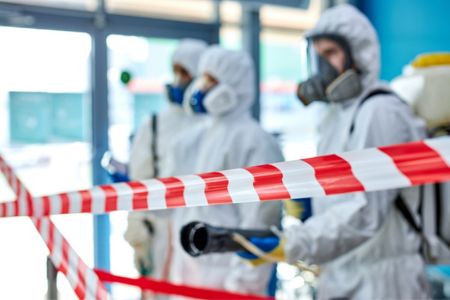 Emergency decontamination is essential to stop the spread of hazardous materials and protect everyone on site after an unexpected release. AOTC delivers fast, dependable support across Florida and in Macon, Georgia, by assessing hazards quickly, securing the scene, and applying safe methods that help restore stable conditions. Our work also connects to environmental remediation services and environmental consulting, providing facilities with a complete path from immediate response to long-term recovery and prevention.
When a spill or chemical release occurs, there is no time to wait. AOTC’s trained team is prepared to mobilize, manage the situation, and guide your facility through each step of the cleanup process. If you need emergency assistance or want to strengthen your environmental and safety programs before an incident happens, contact AOTC today. We are ready to help when your facility needs it most.