
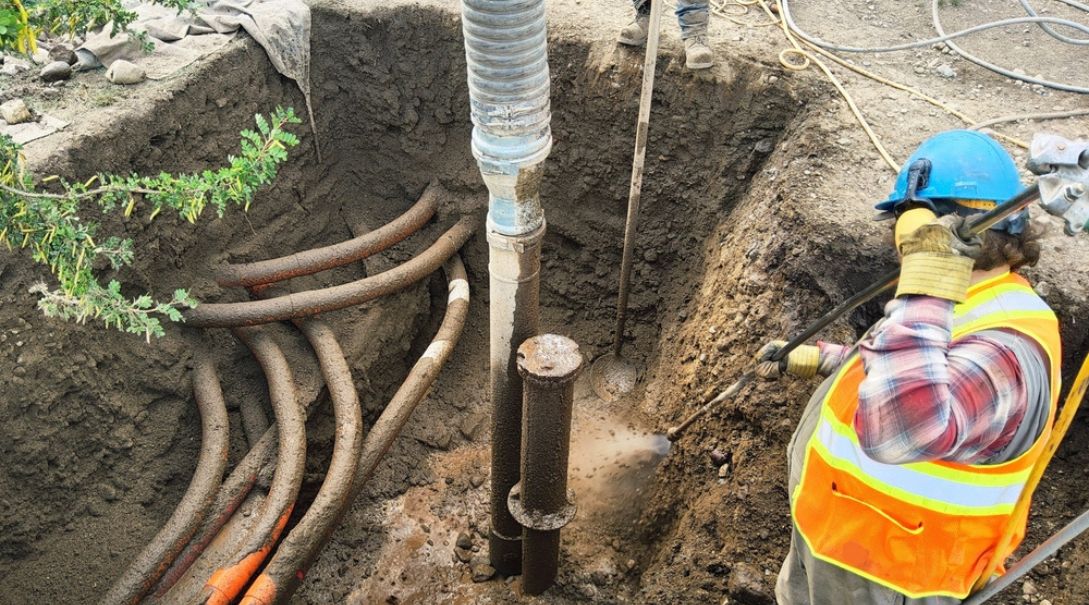
Hydro excavation is quickly becoming the gold standard for safe and efficient digging across Florida’s construction, utility, and environmental projects. Unlike traditional excavation methods that rely on backhoes or manual shoveling, hydro excavation uses pressurized water and a powerful vacuum system to cut through soil and safely remove debris. The result? Cleaner work sites, reduced risk of utility strikes, and a level of precision that heavy equipment simply can’t match.
For contractors, municipalities, and utility providers in Florida, hydro excavation offers an OSHA-compliant, non-destructive alternative to trenching and mechanical excavation. Whether you’re exposing underground utilities in Tampa, digging around pipelines in Jacksonville, or supporting large-scale industrial projects in Orlando, hydro excavation ensures the job gets done safely and efficiently.
Table of Contents
What Is Hydro Excavation?
Hydro excavation is a non-destructive digging method that combines high-pressure water with an industrial-strength vacuum truck. Here’s how it works:
- Pressurized Water Loosens Soil – A specialized water lance directs a high-pressure stream into the ground, breaking apart compacted soil and clay.
- Vacuum Truck Removes Debris – A connected vacuum system sucks up the slurry (a mixture of water and soil) into a debris tank.
- Precise Excavation – The method allows crews to create trenches, holes, or potholes without damaging nearby utilities or structures.
This process is especially valuable in Florida’s utility-dense environments, where underground electrical, telecommunications, gas, and water lines are often buried in close proximity.
Why Hydro Excavation Is Safer Than Traditional Digging
Traditional excavation with backhoes or shovels comes with major risks: hitting underground utilities, causing property damage, or creating unsafe trench conditions. OSHA defines an excavation as “any man-made cut, cavity, trench, or depression in the earth’s surface,” and improper handling can lead to trench collapses, injuries, or even fatalities.
Hydro excavation reduces these risks in several ways:
- Utility Protection – The water-and-vacuum system exposes lines without breaking or cutting them.
- Worker Safety – Crews avoid entering unstable trenches, lowering the chance of accidents.
- Regulatory Compliance – Meets OSHA excavation standards and helps contractors avoid costly fines.
- Minimal Surface Disruption – Reduces the environmental footprint compared to heavy machinery.
For Florida companies handling sensitive underground infrastructure, hydro excavation is a safer and cleaner solution that aligns with OSHA compliance requirements.
Hydro Excavation vs. Vacuum Excavation
While the terms are sometimes used interchangeably, there’s a subtle difference between hydro excavation and vacuum excavation:
- Hydro Excavation – Uses pressurized water to loosen soil before vacuuming it out.
- Air/Vacuum Excavation – Uses compressed air instead of water. Air-vac methods keep the dry soil available for backfilling, while hydro excavation is generally faster and more effective in clay-heavy Florida soils.
Both methods fall under the umbrella of non-destructive digging (NDD), but hydro excavation is preferred for large-scale projects, utility locating, and tight urban work zones in cities like Miami, Tampa, and Orlando.
Applications of Hydro Excavation in Florida
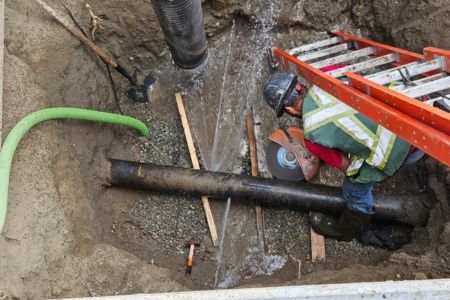 Hydro excavation is versatile, making it the go-to method for industries across the state.
- Utility Locating: Florida’s utilities, including water, power, and telecommunication,s run under dense metropolitan and suburban areas. Hydro excavation allows precise potholing (daylighting) to locate lines before construction begins safely.
- Pipeline and Sewer Maintenance: Municipalities in Tampa Bay and Jacksonville rely on hydro excavation to expose pipelines and sewer systems for inspection and maintenance without costly damage.
- Construction and Site Preparation: Contractors use hydro excavation for trenching, foundation preparation, and directional drilling support, especially when working near existing underground structures.
- Environmental and Industrial Projects: From oil companies in South Florida to industrial plants near Orlando, hydro excavation is ideal for spill clean-ups, remediation, and soil removal where precision and compliance matter most.
Benefits of Hydro Excavation
The popularity of hydro excavation isn’t just about compliance; it’s about efficiency, safety, and cost savings.
- Non-Destructive – Protects underground utilities and reduces repair costs.
- Accurate and Precise – Perfect for projects requiring minimal disturbance.
- Environmentally Friendly – Reduces surface disruption and contamination.
- Cost-Effective – Fewer damages, fewer delays, and faster project completion.
- All-Season Capability – Hydro excavation trucks can cut through frozen soil, making it effective even in rare Florida cold snaps.
Hydro Excavation in Florida: Local Compliance Matters
Florida’s construction and environmental sectors are highly regulated. Contractors face OSHA excavation standards, state environmental regulations, and local utility safety requirements. Hydro excavation helps businesses:
- Avoid OSHA citations for unsafe trenching.
- Meet the Florida Department of Environmental Protection (FDEP) soil handling rules.
- Reduce liability by minimizing accidental utility strikes.
- Improve community safety during municipal projects in Tampa, Orlando, and Miami.
For Florida-based contractors, choosing hydro excavation isn’t just about efficiency; it’s about protecting workers, avoiding fines, and building trust with clients and municipalities.
Choosing the Right Hydro Excavation Partner
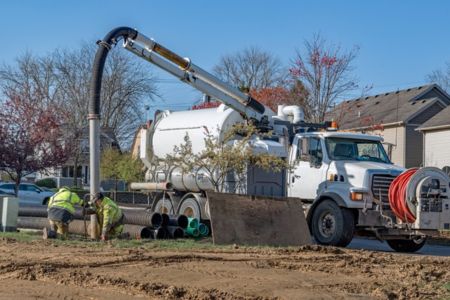 Not all hydro excavation companies are the same. When selecting a provider in Florida, contractors and municipalities should look for:
- OSHA-Compliant Training – Ensure crews are certified in excavation safety.
- Modern Vacuum Trucks – Updated equipment for efficiency and reliability.
- Proven Local Experience – A provider who understands Florida’s soils, regulations, and utility networks.
- Environmental Expertise – The ability to handle remediation and disposal responsibly.
At Alpha-Omega Training & Compliance (AOTC), our team combines decades of environmental and construction expertise with a strong commitment to safety and compliance. From Tampa Bay to Jacksonville, FL, we help contractors and municipalities dig smarter, safer, and cleaner.
Dig Smarter, Safer, and Cleaner with Hydro Excavation
Hydro excavation is more than a new technology; it’s a safer, cleaner, and smarter way to dig. For Florida contractors, municipalities, and industrial companies, adopting hydro excavation means fewer risks, lower costs, and stronger compliance with OSHA and FDEP regulations.
When you need precision excavation services in Florida, trust AOTC to deliver the safest, most efficient solutions available.
FAQs About Hydro Excavation
Is hydro excavation safer than traditional trenching?
Yes. Hydro excavation minimizes the risk of trench collapses, utility strikes, and property damage compared to mechanical digging.
How deep can hydro excavation go?
Depending on soil type and equipment, hydro excavation can safely dig up to 60 feet deep.
Does hydro excavation work in Florida’s sandy soil?
Absolutely. In fact, sandy soils make hydro excavation even faster and cleaner.
What’s the difference between hydro and air vacuum excavation?
Hydro excavation uses water, while air-vac uses compressed air. Hydro is faster and more effective in clay and compact soils, while air-vac is better for reusing dry soil.
Is hydro excavation more expensive than traditional digging?
While the upfront costs can be slightly higher, hydro excavation saves money by preventing utility damage, project delays, and OSHA fines.