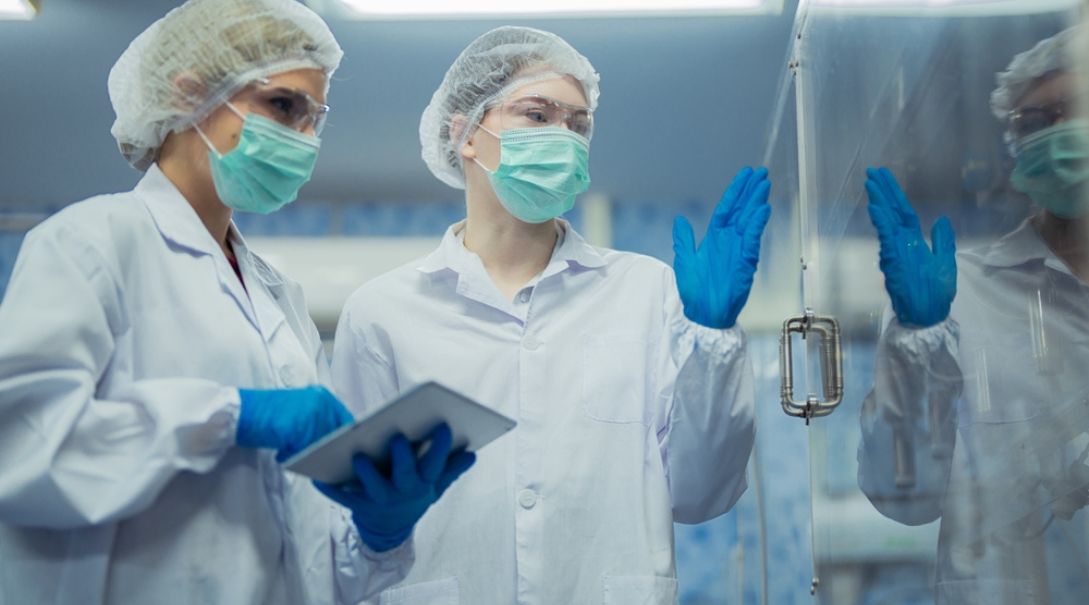
Industrial hygiene is the practice of identifying, evaluating, and controlling workplace conditions that may affect employee health. It focuses on the hazards workers may encounter during daily operations, including airborne contaminants, chemicals, noise, heat, biological hazards, and ergonomic stressors.
According to OSHA’s industrial hygiene guidance, industrial hygiene is the science of anticipating, recognizing, evaluating, and controlling workplace conditions that may cause worker illness or injury. OSHA also explains that industrial hygienists use monitoring, analytical methods, engineering controls, work practice controls, and other measures to manage potential health hazards.
For industrial, municipal, commercial, and government facilities, industrial hygiene is more than a safety checkbox. It helps employers understand what workers are exposed to, whether those exposures create risk, and what controls may be needed to maintain safe operations. A strong industrial hygiene program can also support OSHA compliance, improve employee confidence, and help businesses respond proactively before a hazard becomes a larger operational issue.
For organizations that need help strengthening workplace safety programs, AOTC’s occupational health and safety services provide training and compliance support aligned with local, state, EPA, and Federal OSHA requirements. AOTC helps businesses protect their teams, identify workplace risks, and maintain safer operating environments.
Table of Contents
What Are the Basic Principles of Industrial Hygiene?
Industrial hygiene programs are commonly built around five core principles:
- Anticipation,
- Recognition,
- Evaluation,
- Control, and
- Confirmation.
These steps help employers move from simply being aware of a possible hazard to actively managing and verifying that the hazard is controlled.
Anticipation
Anticipation means identifying potential hazards before they create a problem. This may involve reviewing job tasks, materials, equipment, production processes, or facility changes that could introduce new exposures.
For example, a facility planning to use a new chemical, change a ventilation system, renovate an older building, or add a new process line should consider whether that change could affect worker health. Anticipating hazards early gives employers more control over planning, training, and exposure prevention.
Recognition
Recognition is the process of identifying hazards that are already present in the workplace. This may include observing work practices, reviewing safety data sheets, interviewing employees, inspecting work areas, or examining previous exposure records.
Recognized hazards may include chemical vapors, dust, fumes, excessive noise, heat stress, poor ventilation, biological materials, or repetitive-motion risks. The American Industrial Hygiene Association describes industrial hygienists as professionals committed to protecting health and safety in the workplace and the community, underscoring the importance of hazard recognition in occupational and environmental health and safety.
Evaluation
Evaluation helps determine whether a recognized hazard presents a measurable risk. This is where industrial hygiene testing, sampling, monitoring, and documentation may be needed.
Depending on the workplace, evaluation may include air sampling, noise monitoring, ventilation review, surface sampling, exposure assessments, or task-based observation. The goal is to understand the type, level, frequency, and duration of exposure so the employer can make informed safety decisions.
Control
Control is the process of reducing or eliminating exposure. In many cases, this may involve engineering controls, administrative controls, work practice changes, personal protective equipment, or a combination of solutions.
Examples may include improving ventilation, enclosing a process, substituting a safer material, adjusting schedules to reduce exposure time, improving housekeeping, training workers on safer handling procedures, or requiring appropriate respiratory protection or hearing protection.
Confirmation
Confirmation verifies that the selected controls are working as intended. This may include follow-up testing, employee feedback, workplace observation, documentation review, or periodic reassessment.
Confirmation is important because workplace conditions can change over time. A control that worked during one process, project, or production schedule may need to be revisited if staffing, equipment, materials, or operating conditions change
Why Is Industrial Hygiene Important?
Industrial hygiene is important because many workplace health risks are not immediately obvious. A hazard may not cause an instant injury, but repeated exposure over time can contribute to illness, discomfort, reduced productivity, or compliance concerns.
Keeping Workers Safe and Healthy
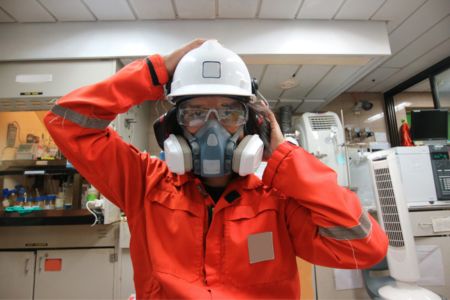
The primary purpose of industrial hygiene is to protect workers. Employees may be exposed to airborne chemicals, dust, mold, bacteria, noise, heat, or physical stressors without fully understanding the long-term risk.
Industrial hygiene services help employers identify these exposures and take steps to reduce them. This protects workers while also creating a workplace where employees know their health and safety are being taken seriously.
Maintaining OSHA Compliance
Industrial hygiene also plays an important role in OSHA compliance. Many workplace exposures are regulated or tied to specific safety standards, documentation requirements, permissible exposure limits, training expectations, or control measures.
When employers understand their workplace hazards, they are better positioned to maintain compliant safety programs. This may also reduce the risk of citations, fines, operational delays, or employee claims tied to preventable exposure concerns.
Improving Productivity and Working Conditions
Safer working conditions often support better productivity. Workers are more likely to perform consistently when they are not dealing with poor air quality, excessive noise, heat stress, irritating chemicals, or unclear safety procedures.
Industrial hygiene consulting can also help employers make smarter operational decisions. Rather than reacting after complaints or incidents occur, companies can use assessment data to improve processes, reduce downtime, and support long-term workforce health.
For a broader public health perspective, Tulane University’s industrial hygiene program describes the field as focused on recognizing and controlling workplace hazards that arise from chemical and physical agents. That same prevention-focused approach applies directly to employers who want to reduce risk before exposures become recurring problems.
What Are Common Industrial Hygiene Hazards?
Industrial hygiene hazards generally fall into several major categories: chemical, physical, biological, and ergonomic. Each type of hazard can affect workers differently depending on the exposure route, duration, concentration, and work environment.
Chemical Hazards
Chemical hazards include substances that may be inhaled, absorbed through the skin, ingested, or otherwise contacted during work. These may include vapors, gases, fumes, solvents, dusts, acids, cleaning agents, fuels, pesticides, or hazardous materials used in industrial operations.
Chemical exposure can occur during manufacturing, maintenance, cleaning, spill response, waste handling, construction, remediation, or laboratory work. Industrial hygiene monitoring can help determine whether exposures are within acceptable limits and whether additional controls are needed.
Physical Hazards
Physical hazards include environmental and operational conditions that can affect worker health. Common examples include noise, vibration, heat stress, cold stress, radiation, lighting issues, and pressure-related hazards.
Noise exposure is one of the most common physical hazards in industrial settings. Without proper monitoring and controls, prolonged exposure may contribute to hearing loss. Heat stress can also become a significant concern for outdoor crews, confined spaces, industrial facilities, and emergency response operations.
Biological Hazards
Biological hazards include organisms or organic materials that may create health risks. These can include mold, bacteria, viruses, sewage, animal waste, contaminated water, and other biological agents.
Workers may encounter biological hazards during remediation, wastewater work, storm response, facility cleanup, healthcare support, or work in damp or contaminated environments. Proper assessment, training, and protective measures are important for reducing exposure risk.
Ergonomic Hazards
Ergonomic hazards are related to how a job is physically performed. These may include repetitive motions, awkward postures, heavy lifting, forceful exertion, poorly designed workstations, or tasks that place strain on the body.
While ergonomic hazards may seem less urgent than chemical or biological exposures, they can still lead to injuries, discomfort, lost time, and reduced productivity. Industrial hygiene assessments can help identify where job tasks or work areas should be adjusted to better protect employees.
When Do You Need an Industrial Hygiene Assessment?
An industrial hygiene assessment may be needed any time a workplace has known, suspected, or changing exposure conditions. Some assessments are proactive, while others are performed in response to a concern, incident, complaint, or operational change.
Routine Compliance and Baseline Testing
Routine compliance and baseline testing help employers understand current workplace conditions before a problem occurs. Baseline data may be useful for documenting exposure levels, building safety programs, and comparing future conditions after process or facility changes.
This type of industrial hygiene assessment is especially useful for facilities with recurring exposure risks, regulated materials, high-noise environments, industrial processes, or workers who perform hazardous tasks.
Operational or Facility Changes
A new process, chemical, piece of equipment, production line, ventilation change, or facility expansion can introduce new hazards. Even if the operation appears similar to previous work, small changes can affect exposure levels.
An assessment can help determine whether the change creates additional risk and whether new controls, training, or monitoring procedures should be put in place.
Employee Health Concerns
Employers may need an industrial hygiene assessment when employees report symptoms, odors, irritation, headaches, breathing concerns, skin reactions, or other health complaints that may be tied to the workplace.
An assessment can help identify whether there is a potential exposure source and whether additional evaluation is warranted. It also demonstrates that the employer is taking employee concerns seriously.
Post-Incident or Claim
After a spill, release, exposure event, injury claim, or employee complaint, industrial hygiene testing may be needed to document conditions and determine what corrective actions are appropriate.
Post-incident assessments can help employers understand what happened, whether workers may have been exposed, and how to reduce the chance of a similar issue in the future.
Renovations and Legacy Materials
Older buildings and industrial properties may contain legacy materials or hidden hazards. Renovation, demolition, or maintenance work can disturb materials that were previously contained or inaccessible.
Industrial hygiene consulting may be needed before or during renovation projects to evaluate potential exposure risks such as dust, mold, asbestos-containing materials, lead-based paint, chemical residues, or other contaminants.
Protect Your Workers With Industrial Hygiene Support From AOTC

Industrial hygiene helps employers understand what workers are exposed to and what steps are needed to maintain a safer, healthier, and more compliant workplace. Whether your organization needs baseline testing, exposure monitoring, employee safety training, or help responding to a workplace concern, having the right partner matters.
Alpha-Omega Training and Compliance, Inc. helps businesses identify workplace risks and develop practical safety and compliance solutions. Through occupational health and safety training and compliance support, AOTC supports private, commercial, industrial, municipal, and federal government clients with proactive programs designed to protect workers and reduce operational risk.
Contact AOTC today to discuss your industrial hygiene assessment, workplace safety needs, or occupational health and safety training requirements.