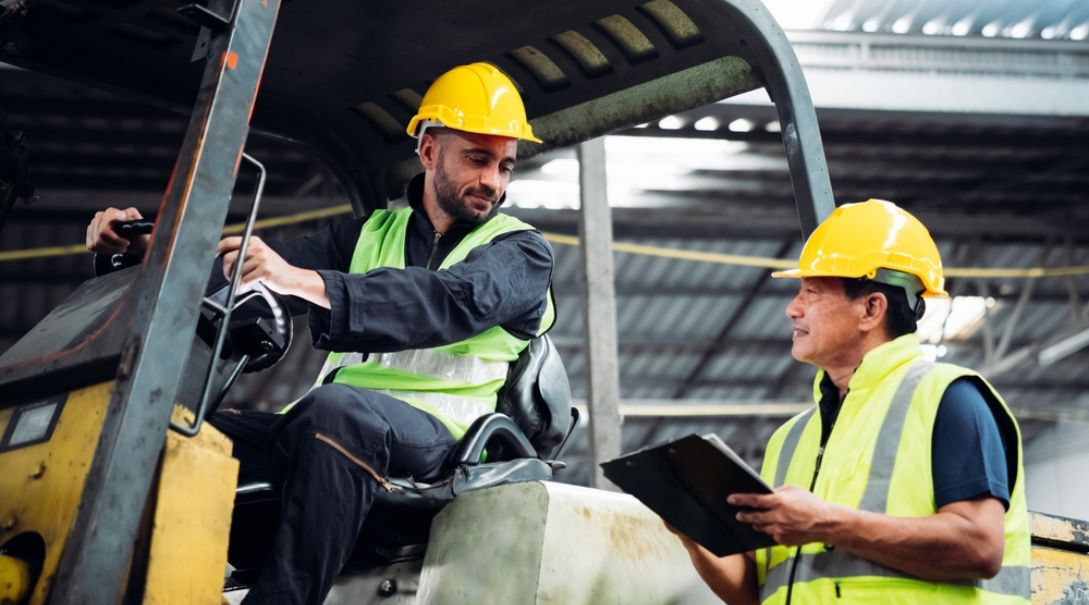
Forklifts are essential pieces of equipment in warehouses, manufacturing facilities, and job sites. They move heavy loads, operate in tight spaces, and are often used around other workers throughout the day. Because of this, even minor mechanical issues or overlooked defects can quickly lead to workplace accidents, injuries, or costly downtime.
In our experience at AOTC, many forklift incidents share the exact root cause. The forklift was put into service without a proper daily inspection. Controls were not tested, safety features were overlooked, or warning signs were missed during a rushed start to the shift. These problems are rarely complex, but they are serious when ignored.
This article explains what must be done daily before using a forklift and how a consistent inspection process helps reduce risk. It follows OSHA expectations, reflects real job site conditions, and outlines a daily forklift inspection checklist that operators can realistically complete before every shift. By the end, you will understand what to check, why it matters, and how daily inspections support safer forklift operation and compliance training.
Table of Contents
Why Daily Forklift Inspections Are Critical for Workplace Safety
Forklifts operate in busy environments, move heavy loads, and rely on multiple systems working together. When one system fails, the consequences can be severe. Daily inspections reduce risk by identifying problems before forklift operation begins.
A structured inspection process supports safety in several important ways. When inspections are performed consistently, they help create a safer and more predictable workplace.
Daily forklift inspections are critical because they:
- Reduce workplace accidents caused by mechanical failure
- Help operators confirm the forklift is working properly before use
- Identify issues early, before they escalate into serious hazards
- Support compliance with occupational safety and health requirements
Over time, inspections also improve awareness. Operators become more familiar with their equipment, supervisors gain visibility into recurring issues, and employers reduce downtime caused by preventable failures.
OSHA Requirements for Daily Forklift Inspections
OSHA rules clearly state that forklifts must be inspected before use. Unsafe equipment cannot be operated, even briefly. These requirements are enforced by the Occupational Safety and Health Administration, which oversees occupational safety and health standards nationwide.
Employers are responsible for providing safe equipment and proper training, while operators are responsible for completing inspections and reporting defects. OSHA requires that any identified issue be corrected before forklift operation begins.
At AOTC, we help employers translate these OSHA requirements into practical, day-to-day inspection procedures. Through forklift safety training, we ensure operators understand their inspection responsibilities and know when to remove equipment from service. This approach helps organizations stay compliant while reducing the risk of workplace accidents tied to unsafe forklift operation.
OSHA Powered Industrial Truck Inspection Guidelines
OSHA standard 29 CFR 1910.178 outlines inspection expectations for powered industrial trucks. The purpose of this OSHA standard is to prevent hazards before they lead to injuries or damage.
Under this standard, forklifts must be inspected before being placed into service, unsafe forklifts must be removed from service, and defects must be reported and corrected. OSHA does not mandate a specific forklift daily checklist form, but documentation is strongly expected.
What Must Be Done Daily Before Using a Forklift
Before each shift, operators must complete a pre-operation and pre-operational inspection. This process ensures the forklift is safe, functional, and appropriate for the work ahead.
A proper daily routine includes several steps that work together. Each step plays a role in preventing incidents and maintaining compliance.
Before operating a forklift, operators must:
- Complete a forklift inspection checklist before starting work
- Inspect the physical condition of the forklift
- Test controls and safety features
- Verify fluid levels or battery condition
- Record results on a daily inspection checklist
We support employers throughout Florida by helping them integrate these steps into real workflows. In Titusville warehouses, Jacksonville distribution centers, Tampa job sites, and Newberry industrial facilities, inspections must work in real conditions, not just on paper.
Daily Forklift Inspection Checklist: What to Check Before Operation

A daily forklift inspection checklist provides structure and consistency before each shift begins. Operators know exactly what to inspect, and supervisors can confirm inspections are being completed correctly and documented. When inspections follow a straightforward process, fewer steps are missed, and unsafe equipment is less likely to enter service.
At AOTC, we see firsthand how practical checklists are for safer forklift operation when paired with proper training. As part of our forklift safety training programs, we help employers ensure operators understand what to inspect, why each check matters, and how to identify conditions that make a forklift unsafe to operate.
While checklists vary by forklift type and work environment, every daily inspection should cover three core areas.
Visual and Structural Inspection
The inspection begins with a walkaround. This allows operators to identify visible hazards before starting the forklift.
Operators should carefully inspect:
- Forks for cracks, bends, or uneven wear
- Mast and chains for damage or excessive wear
- Overhead guard for cracks or loose mounting
- Tires for wear, chunking, or damage
- Hydraulic hoses for leaks or deterioration
- Signs of hydraulic fluid beneath the forklift
Through training, we teach operators how to recognize early warning signs that could compromise safe forklift operation if ignored.
Operational and Control Checks
After the visual inspection, operators must confirm that all controls respond correctly. This ensures the forklift can be operated safely in active work areas.
Operators should verify:
- Steering responds smoothly
- Service brakes stop the forklift completely
- The parking brake holds the forklift in place
- Lights and indicators are working properly
- Seat belts latch and retract correctly
If the forklift produces unusual noises or does not respond as expected, it should not be used. All controls must be working correctly before operation begins.
Fluid, Battery, and Fuel System Checks
System checks vary based on forklift type. These inspections help prevent equipment failure during the shift.
For internal combustion forklifts, operators should check:
- Engine oil
- Hydraulic fluid
- Coolant
- Fuel systems
For electric forklifts, inspections focus on:
- Battery condition
- Cables and connectors
- Charging systems
Confirming proper fluid levels or battery condition before use helps prevent breakdowns and safety risks.
Common Issues Found During a Daily Forklift Inspection
Many forklift defects develop gradually and are only discovered when inspections are performed consistently. Across industries, the same issues recur.
The most common problems identified during inspections include:
- Worn or damaged tires that reduce stability
- Leaking hydraulic hoses or visible hydraulic fluid
- Brakes that do not stop the forklift evenly
- Parking brake that fails to hold the forklift
- Cracked, bent, or damaged forks
- Seat belts that do not latch or retract properly
- Warning alarms or lights that do not function
Identifying these issues during a pre-operational inspection keeps unsafe forklifts out of service and reduces workplace accidents.
What to Do If a Forklift Fails the Daily Inspection
When a forklift fails inspection, it must be removed from service immediately. Using unsafe equipment puts operators and coworkers at risk and violates OSHA requirements.
Once a defect is identified, operators should follow a straightforward response process:
- Report the issue to a supervisor immediately
- Follow lockout or tagout procedures if required
- Document the defect on the forklift daily checklist
- Keep the forklift out of service until repairs are completed and approved
We reinforce these steps because bypassing them is a common cause of injuries and violations.
Who Is Responsible for Completing the Forklift Daily Checklist
The forklift operator is responsible for completing the inspection before each shift. Employers are responsible for training, supervision, and maintenance.
Clear responsibility prevents confusion. Operators inspect and report issues. Employers ensure repairs are completed and that the equipment is safe to use.
AOTC works with companies throughout Florida, including Titusville, Jacksonville, Tampa, and Newberry, to help define responsibilities and build inspection processes that teams actually follow.
Training Operators to Perform Daily Forklift Inspections Correctly
A checklist alone does not create safety. Inspections only work when operators understand what they are checking and why it matters. Without that understanding, inspections often become rushed, incomplete, or treated as a formality at the start of the shift.
Proper training helps operators identify hazards, understand equipment limits, and recognize early signs of failure before they turn into workplace accidents. When operators are trained correctly, inspections become consistent, repeatable, and meaningful, not just a box to check.
At AOTC, we support employers by providing forklift safety training that emphasizes hands-on inspection skills and real-world operating conditions. Our training services help operators learn to complete a daily forklift inspection checklist correctly, recognize defects that require removal of equipment from service, and apply OSHA requirements in everyday forklift operation. This ensures inspections are not only completed but also done accurately and confidently.
How AOTC Forklift Safety Training Supports Daily Inspection Compliance
Daily inspections are only adequate when operators are adequately trained. At AOTC, forklift safety training connects inspection requirements with real-world operation.
Our training supports compliance by:
- Teach operators how to complete a forklift inspection checklist correctly
- Explain how defects affect forklift operation and stability
- Reinforce when forklifts must be removed from service
- Align inspection practices with OSHA standard expectations
We support employers across Florida, including Titusville, Jacksonville, Tampa, and Newberry, by helping teams apply inspection procedures in real work environments. This ensures inspections are completed consistently, not just documented.
Partner with AOTC for Forklift Safety Training and Certification
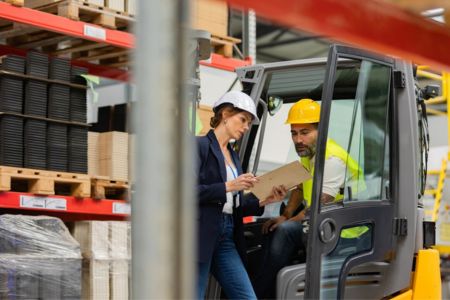 Knowing what must be done daily before using a forklift is only the starting point. Daily inspections are most effective when operators understand what they are checking, why each step matters, and when equipment must be taken out of service. Proper training turns inspection requirements into consistent habits that reduce risk and prevent workplace accidents.
AOTC provides forklift safety training that supports daily inspection compliance, safe forklift operation, and alignment with occupational safety and health requirements. Our training focuses on real equipment, real job site conditions, and clear responsibilities, helping operators apply inspection procedures correctly at the start of every shift.
When inspections are done right, forklifts stay safer, downtime is reduced, and teams operate with greater confidence. A strong inspection process protects employees, equipment, and your organization as a whole.
Contact AOTC today to schedule forklift safety training and certification. Let us help you build an inspection process and training program that keeps your forklifts safe, your operators prepared, and your workplace protected every shift.