

Your company’s Phase I report just came back, and it flagged something. It might be a former gas station on the next parcel or an old storage tank that shows up in one record and nowhere else. Now the lender has questions about a deal or refinance that’s already on the calendar, and you need to know when a Phase II environmental site assessment is required and whether this is one of those times.
A Phase I finding doesn’t automatically mean more testing. What matters is the type of concern, where it sits on the site, and how strong the evidence is. The common reasons companies order a Phase II, covered below, will help you judge whether your property needs further investigation.
Table of Contents
Is a Phase II Environmental Site Assessment Always Required After a Phase I?
No. A Phase II isn’t an automatic next step after every Phase I. A Phase I environmental site assessment is a records review, site visit, and interview process, and many come back clean or identify only conditions that have already been addressed. In those cases, the Phase I may give you enough information to move forward without drilling or sampling.
A Phase II becomes worth considering when the Phase I identifies a concern that can only be confirmed or ruled out through sampling. That’s why the scope of a Phase II environmental site assessment is built directly from Phase I findings rather than a one-size-fits-all testing package.
What Triggers a Phase II ESA?
Certain Phase I findings make additional investigation more likely. None of them automatically require a Phase II, but each raises a question that records alone may not answer.
A Recognized Environmental Condition in the Phase I
A recognized environmental condition, or REC, means the environmental professional found evidence that hazardous substances or petroleum products are present or likely present because of a release, or under conditions that pose a material threat of one. ASTM E1527-21 separates a REC from a controlled REC, where past contamination was addressed but controls remain in place, and a historical REC, where a past release was resolved to unrestricted use standards. A REC points to a likely problem. A Phase II tells you whether contamination is actually there and how much of it.
Evidence of a Current or Historical Release
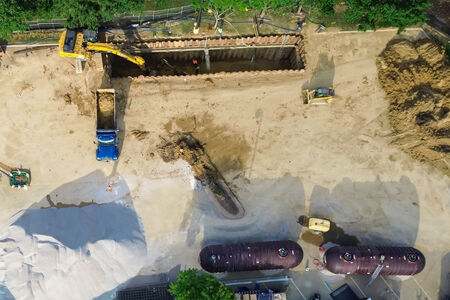
A property may have a history of activities that raise questions about what was left behind. Gas stations, dry cleaners, auto repair shops, and manufacturing facilities are common examples. Old storage tanks, spill reports, waste disposal records, or fill material with no clear source can also point to a possible release. Even if the Phase I doesn’t establish that contamination is present, these findings may give the environmental professional a reason to recommend sampling.
A Data Gap or an Unresolved Concern
Not every concern comes with a clear paper trail. A property’s records might leave long stretches of its history unexplained. The environmental professional may also have been unable to access a building, outbuilding, or section of the property during the site visit. In other cases, the available information raises questions that can’t be answered through records alone. Depending on what is missing and how it affects the environmental assessment, additional sampling may be the next step.
Nearby Sources of Contamination
Environmental concerns aren’t limited to the boundaries of a property. A Phase I may uncover contamination records tied to an adjoining parcel or a business that previously operated nearby. Those records matter most when the release could have affected the property being assessed. For example, groundwater movement may carry petroleum products or industrial chemicals away from their original source. In those cases, the environmental professional may recommend sampling to find out whether the release has reached the property.

The Planned Use or Transaction
The reason you’re buying or developing a property can influence whether additional testing makes sense. A lender may want more information before financing the deal, particularly if the Phase I identifies an environmental concern. Buyers also have their own reasons for wanting sampling results before closing, especially when potential cleanup expenses or environmental liability could affect the purchase.
Development plans add another consideration. Excavation, groundwater removal, soil disposal, and building construction can all become more complicated when contamination is present. Testing before work begins gives the project team a chance to address those issues during planning rather than dealing with unexpected findings once construction is underway.
Who Decides Whether a Phase II ESA Is Needed?
The person who conducts the Phase I can recommend a Phase II, but that doesn’t mean testing automatically moves forward. The property owner or prospective buyer has to decide how to handle the findings. For someone preparing to close on a purchase, that might mean ordering soil or groundwater samples before signing. A developer may want the same information before committing money to a project.
A lender can have its own requirements, too. If the Phase I raises concerns, the lender may hold up financing until additional testing is complete. Florida Department of Environmental Protection (FDEP) involvement is a separate matter. When a release is reported, or contamination is identified, FDEP may require further investigation as part of the state’s cleanup process.
What Does a Phase II ESA Investigate?

Unlike a Phase I, a Phase 2 environmental site assessment involves physical sampling, and its scope is built around the specific concerns raised during the Phase I. Depending on the site, that can include soil, groundwater, soil vapor, surface water, sediment, or building materials. The process generally follows these steps:
- Define the question and build a conceptual site model showing potential sources, how contaminants could move, and what they could reach, consistent with ASTM E1903-19.
- Design a sampling plan that targets that question.
- Collect samples and send them to a laboratory for analysis.
- Compare the results with Florida’s cleanup target levels in Chapter 62-777, F.A.C., and document the findings in a Phase II report.
What Happens If a Phase II Finds Contamination?
Test results can affect what happens next with the property. If contamination is limited to one area, the response may be relatively straightforward. If it has spread into groundwater or affects areas planned for construction, the project could require more testing, cleanup work, or changes to the development plans. Buyers may also have grounds to renegotiate the deal once they know what remediation could cost.
Testing may not stop with the initial samples. If contaminants show up, the environmental team may need to collect more samples to map the affected area and determine whether cleanup is necessary. That work may progress into a remedial investigation, with the Florida Department of Environmental Protection (FDEP) involved in determining what happens next.
Florida sites fall under Chapter 62-780, F.A.C., which establishes the state’s risk-based cleanup process. Not every property has to reach unrestricted use to close out the process. Depending on the conditions, a site may qualify for a No Further Action order or closure with restrictions, such as limits on groundwater use.
How AOTC Can Help With Phase II Environmental Site Assessments
A Phase I report may leave you with more questions than answers. Alpha-Omega Training and Compliance, Inc. (AOTC) can take the next step by reviewing the findings, identifying areas that need further investigation, and developing a sampling plan for the property. Our team handles soil, groundwater, and vapor testing, along with the follow-up reporting.
When cleanup is needed, we also offer remedial investigation and environmental remediation services, keeping those services connected rather than sending you elsewhere.
Have questions about a Phase I finding? Contact AOTC to discuss your property and next steps.