
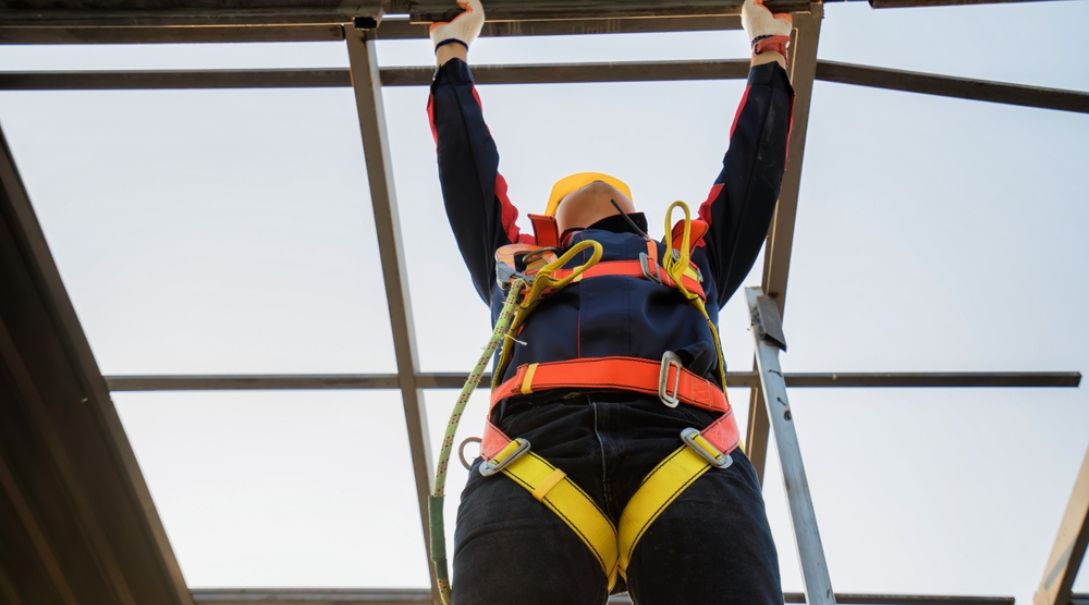
Fall protection training is essential for keeping workers safe from falls from ladders, scaffolds, and roofs. Occupational Safety and Health Administration-certified fall protection training usually takes several hours to complete, and it requires a skills evaluation to earn certification. Workers don’t necessarily need to repeat fall protection training simply because a certain amount of time has passed.
For general industry employers, OSHA’s retraining requirements focus on whether employees still have the understanding and skills needed to work safely—and whether changes to the workplace, equipment, or employee performance make previous training inadequate.
Table of Contents
Does Fall Protection Training Expire?
Is Fall Protection Training Required Every Year?
There is no set timeframe for fall protection retraining. OSHA does not require annual fall protection training, and there’s no universal expiration date for certification. The more relevant question is whether the employee still has the required knowledge and skills and whether circumstances have made previous training inadequate.
Why Training Expiration and Retraining Are Not the Same Thing
There’s a difference in the urgency to schedule fall protection retraining between fall protection training expiration and fall protection retraining. With training expiration, it’s a calendar-based concept where you set a future date to complete your training again. That may be after one year, two years, or another period of time. Either way, training expiration is typically scheduled based on a company’s specific certification or renewal policy. With practical refresher retraining, there’s more urgency to have the training done immediately. This may be triggered by workplace changes or poor job performance. OSHA may also mandate it because of safety concerns and retraining obligations. Workplaces may schedule training expiration for the future, whereas retraining must be completed right away after a workplace change or issue.
When is Fall Protection Retraining Required?
When the Workplace Changes
Fall protection training may need updating when job-site changes affect how employees perform their work or use fall protection equipment. This can happen when a workplace has:
- New work areas or elevated surfaces
- A different warehouse layout
- New platforms or mezzanines
- Changes to production areas
- Updated maintenance procedures
A workplace change does not automatically mean employees need to repeat their entire training. Retraining is more likely when the change leaves workers without the knowledge they need to recognize or safely avoid fall hazards.
When Fall Protection Equipment or Systems Change
Why does a change in equipment potentially require retraining? New equipment can change how operations are handled, making old safety procedures obsolete. New equipment can also offer new capabilities, making certain tasks safer and easier to complete. When new systems or equipment are introduced, fall protection retraining will be necessary. Examples include:
- New harness systems
- New lanyards
- New anchorage systems
- Different fall protection equipment
- Changes to how equipment is used
When an Employee Demonstrates Inadequate Knowledge or Skill
Retraining will be required when an employee’s lack of knowledge or skill with fall protection puts the employee or others at risk. Performance can reveal when previous training is no longer relevant. Examples include:
- Improper equipment use
- Incorrect procedures
- Failure to recognize a full hazard
- Repeated safety mistakes
- Improper inspection practices
- Failure to follow established procedures
5 Situations That Should Prompt Employers to Reevaluate Fall Protection Training
A New Employee Takes on Fall-Exposed Work
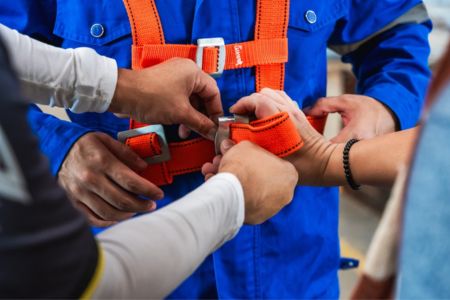 An organization must assess whether existing training covers an employee’s current responsibilities. If current training is inadequate, new training may be required. If you have a new employee taking on work that increases their risk of falls, recommend fall protection training for that employee.
The Facility or Work Process Changes
Existing training may no longer be relevant if the work process changes. The job role may suddenly have new fall hazards. If so, you may need to update fall protection requirements.
New Fall Protection Equipment is Introduced
To help with fall protection, your organization may introduce new fall protection equipment. This equipment can help, but employees need to know how to use it properly. This may require new training on how to use the equipment, especially if the old training doesn’t explain how to use it.
An Employee Makes Repeated Safety Errors
If you notice an employee who keeps making safety errors, you have to step in to correct the problem. Discipline could be implemented, but it might not prevent future safety errors if the employee doesn’t understand how to avoid them. Mandate new training for an employee who makes repeated safety errors. Those in charge should be vigilant about identifying safety errors and ensuring competency for all workers.
A Fall, Near Miss, or Incident Occurs
When an accident happens on the job site, you need to reevaluate your safety regulations and procedures. Did this incident happen because of improper training, or was it more about a mistake or inadequate skills? Make sure everyone understands how to protect themselves with fall protection retraining.
Not every incident automatically requires retraining. If an incident happens at work, use it as a reason to evaluate whether retraining is warranted.
How Can Employers Tell If Workers Need Fall Protection Retraining?
Observe Employee Performance
The simplest way to tell if new fall protection retraining is needed is to keep an eye on your employees. If you notice mistakes being made with fall protection requirements, it’s time for a refresher. Performance mistakes to look for include:
- Repeated mistakes
- Unsafe procedures
- Questions about previously covered material
- Difficulty applying procedures
- Incorrect equipment practices
Review Safety Incidents and Near Misses
Reviewing previous safety incidents is one of the best ways to evaluate whether or not your employees need fall protection retraining. You can determine whether improper or insufficient training played a part in an accident or near-miss. Look for evidence of:
- Knowledge gaps
- Procedural confusion
- Equipment misuse
- Communication problems
Evaluate Changes to the Job
When the job changes, you need to reconsider everything you’re doing. You need to determine whether these changes necessitate fall protection retraining. You need to ask:
- Has the workplace changed?
- Has the equipment changed?
- Has the employee’s role changed?
- Has the procedure changed?
Ask Whether Previous Training Still Matches Current Work
Evaluate your previous fall protection training sessions to determine whether the training still covers how the job is handled now. Check whether your previous training procedures address fall protection under current requirements and equipment for the job. You can create a checklist to review previous training and its relevance to current job requirements. This checklist can include:
- Job description and identification of core tasks
- New equipment
- Regulatory changes
- Current safety procedures
- Performance concerns
Should Employers Provide Fall Protection Refresher Training?
Whether an employer should provide fall protection refresher training may depend on whether the training is mandated or whether an update is needed to refresh employee knowledge. A brief assessment might be needed before deciding on fall protection refresher training.
When Refresher Training Makes Sense
Some instances where a refresher on fall protection training may be needed include:
- Periodic reinforcement
- Seasonal work
- High employee turnover
- Complex work environments
- Recurring mistakes
- Long periods without performing certain tasks
Refresher Training vs. OSHA-Mandated Retraining
Sometimes, employers may be proactive and decide to provide refresher training to improve the company’s compliance with training requirements. In other instances, something may have happened that triggered OSHA-mandated retraining. Employers may use periodic refresher training as part of their safety program, while OSHA’s retraining requirements are tied to specified circumstances.
What Should Fall Protection Retraining Cover?
Fall protection retraining should teach workers how to identify fall hazards and properly use safety equipment. Fall protection retraining should follow OSHA safety procedures for working at height. Learn more about the specific safety guidelines any fall protection retraining should cover.
Changes to Workplace Procedures
When workplace procedures change, especially for tasks performed at height, each worker’s role may also change. To keep workers prepared for their new tasks, fall protection training should be reviewed again.
Changes to Equipment or Systems
Current safety procedures may not be appropriate for new equipment or systems that are introduced in the workplace. Provide training on how to use new equipment and systems, especially those that help keep you safe from falls.
Identified Knowledge Gaps
If your company has identified a specific area where knowledge of procedures is lacking, schedule retraining to make sure everyone understands proper procedures. If your workers are not well-versed in fall protection, plan retraining so they understand the areas where they lack knowledge.
Employee-Specific Performance Issues
Fall protection retraining can also help to fill in performance gaps. If you have documented problems with certain employees and their performance on certain tasks, including accidents, provide fall protection retraining to cover the areas where they need improvement.
How Employers Should Document Fall Protection Retraining
Keep a written record of fall protection retraining that includes the names of employees who received training, when and where the training took place, and the signatures of those who oversaw it. To better understand how employers should document fall protection retraining.
Record Who Received Training
Provide written records of who received training. Document the name or ID of each worker who participated in fall protection retraining.
Document Why Retraining Was Provided
Specific details will be needed as part of your documentation of a fall protection retraining. Documenting why retraining was provided is important. This will provide a frame of reference in the future when fall protection retraining comes up. Examples of reasons why fall protection retraining was needed include:
- Workplace change
- Equipment change
- Observed knowledge deficiencies
- Incident/near miss
- New responsibility
Record What Was Covered
Keep track of the topics covered during retraining so you know what other areas you may need to address in the future.
Maintain Documentation for Your Safety Records
Documentation of fall protection retraining can be added to your company’s safety records. Do this in compliance with current OSHA standards.
What Happens if Employees Don’t Receive Required Retraining?
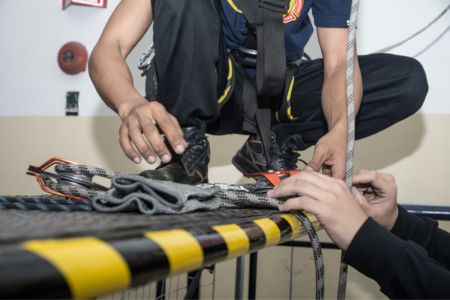 If you delay scheduling fall protection retraining or put it off altogether, you risk creating a dangerous environment that increases the likelihood of accidents and mishaps. Employees who aren’t properly trained on fall protection are more likely to be involved in a workplace fall incident. You may also find yourself running into trouble with federal regulators. Learn more about what could happen to your workplace if employees don’t receive required retraining.
Increased Risk of Workplace Incidents
Lacking proper fall protection training creates an obvious risk of more workplace incidents. Required fall retraining will help employees do what’s necessary to prevent workplace incidents.
Potential OSHA Compliance Issues
OSHA requires workplace safety training. If you neglect doing fall protection retraining, your workplace might run afoul of OSHA. Stay in compliance by scheduling a fall protection retraining.
Difficulty Demonstrating an Effective Training Program
If you fail to provide training for your employees, it opens you up to questions about your company’s competency. Failing to schedule necessary training programs suggests you may struggle to be trusted to run an effective training program.
Increased Organizational Risk
Failing to provide employees with adequate retraining exposes your organization to all kinds of risk. If your employees don’t receive required retraining, it can create compliance and safety exposure issues.
How AOTC Can Help Employees with Fall Protection Retraining
AOTC understands the importance of fall protection retraining for workplaces and can coordinate OSHA-compliant retraining programs for your business. Here’s how AOTC can help your business with fall protection retraining.
Identify When Employees Need Retraining
We can identify hazards and risks within your current operations that necessitate retraining. Safety inspections can help identify these hazards.
Provide Training for Changed Workplace Conditions
AOTC can help you when your workplace changes by providing a flexible fall protection retraining course that meets the specific changing needs of your workplace.
Support Employers with Ongoing Safety Training
We can provide ongoing safety training on a recurring basis to cover all the safety precautions your workers need.
Deliver Training for General Industry and Construction
Look to AOTC for help setting up training programs for your general industry or construction business. We have certified instructors who provide quality training for general industry and construction companies throughout Florida. Contact us today to enroll in fall protection safety.