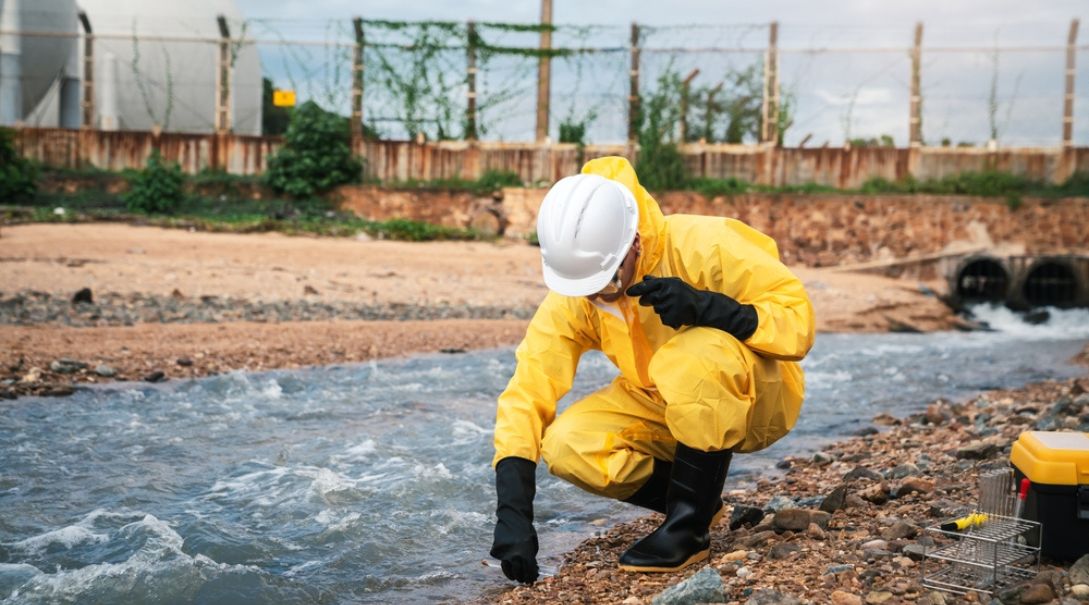
When contamination occurs, whether from an industrial spill, a leaking storage tank, or years of accumulated chemical exposure, the consequences don’t stay contained for long. Contaminants spread through soil, groundwater, and surface water, creating risks for workers, communities, and ecosystems that grow more complex and costly the longer they go unaddressed. That’s why environmental cleanup services exist. To prevent further spread, remediate damage, and restore affected areas to a safe, usable condition. Businesses across Florida and Georgia often rely on specialized environmental cleanup companies and environmental remediation companies to manage these projects while ensuring compliance with environmental regulations.
For businesses operating in industries that handle hazardous materials, chemicals, or waste, understanding what environmental cleanup services include and when they’re needed is a critical part of responsible operations and regulatory compliance.
Table of Contents
What Is Environmental Cleanup and Remediation?
Environmental cleanup, also known as environmental remediation, is the process of identifying, containing, and removing contaminants from a site to reduce or eliminate risks to human health and the surrounding environment.
Remediation typically involves two core phases.
- Containment — preventing contamination from migrating further into the surrounding soil, groundwater, or waterways.
- Remediation — the active treatment or removal of contaminated material to bring the site into compliance with applicable environmental standards.
Depending on the nature and extent of the contamination, cleanup efforts may be relatively straightforward or may involve complex, multi-phase remediation programs carried out over months or years. Either way, the goal remains the same: eliminate the hazard and restore the environment to a safe condition.
Environmental remediation projects are often managed by experienced environmental cleanup companies, like Alpha-Omega Training and Compliance, Inc. (AOTC), that have the equipment, personnel, and regulatory expertise needed to safely address contamination across Florida and Georgia.
Need help now? Contact our team for a site-specific assessment.
How Do Environmental Cleanup Services Work?
Environmental cleanup follows a structured process designed to ensure contamination is fully understood, properly addressed, and confirmed resolved before work is complete.
Most environmental remediation companies follow a structured process that includes assessment, planning, cleanup, and verification to ensure contamination is addressed thoroughly and in accordance with regulatory requirements.
Assessment and Sampling
Every remediation effort begins with a thorough assessment of the affected site. Environmental professionals collect soil, water, and air samples to identify what contaminants are present, at what concentrations, and how far they have spread. The EPA’s Superfund cleanup process follows the same structured approach — assessment, planning, cleanup, and verification — reflecting the industry standard for conducting thorough remediation work. Phase I, II, and III Environmental Site Assessments are commonly used to systematically evaluate contamination and establish a baseline for remediation planning. Multimedia sampling and monitoring may also be conducted to assess contamination across multiple environmental media at the same time.
Planning the Action
Once the scope of contamination is understood, a remediation plan is developed that identifies appropriate cleanup methods, sets target cleanup levels based on regulatory requirements, outlines the timeline and required resources, and establishes a monitoring protocol. For sites with significant contamination, a formal Remedial Investigation may be required before work begins.
Remediation of the Area
Once a remediation plan is in place, cleanup work can begin. The methods used depend on the type, extent, and location of the contamination. Depending on site conditions, cleanup may involve soil excavation, groundwater extraction and treatment, chemical neutralization, bioremediation, or other remediation techniques.
Evaluation and Testing
Once remediation work is complete, post-cleanup sampling and testing are conducted to verify that contamination has been reduced to acceptable levels. This confirmation phase is essential for regulatory sign-off and for ensuring that the site is genuinely safe for workers, occupants, and the surrounding community.
What Is the Purpose of Environmental Cleanup?
The primary purpose of environmental cleanup is to protect people and the environment from the potentially harmful effects of exposure to pollutants and contaminants. According to the Agency for Toxic Substances and Disease Registry (ATSDR), people living or working near contaminated sites can be exposed to hazardous substances through direct contact with soil, inhalation of vapors, or consumption of affected groundwater, with health effects ranging from short-term irritation to serious long-term conditions.

Contaminated sites can pose risks to workers, nearby residents, and local ecosystems. If left unaddressed, contaminants may spread through soil, groundwater, or surface water, increasing the size of the affected area and making remediation more complex and costly over time.
Environmental cleanup also helps businesses comply with environmental regulations and reduce potential liability. Under the Clean Water Act, businesses may face significant penalties for certain environmental violations, including unpermitted pollutant discharges. Similarly, the Resource Conservation and Recovery Act (RCRA) establishes requirements for the management and disposal of hazardous waste and authorizes penalties for noncompliance.
Beyond regulatory compliance, addressing contamination promptly can help businesses avoid operational disruptions, limit legal exposure, and protect their reputation. Proactive remediation is often far less costly than responding to enforcement actions, litigation, or expanding contamination issues later.
By identifying and addressing environmental hazards early, organizations can protect public health, minimize environmental damage, reduce financial risk, and support the long-term value and usability of their properties.
When Is Environmental Cleanup Needed?
Environmental cleanup becomes necessary whenever contaminants are released into the environment in ways that create a risk to human health or the surrounding ecosystem. The EPA’s Brownfields Program estimates there are more than 450,000 brownfield sites across the United States — former commercial and industrial properties where contamination from past operations has left land unusable or unsafe. Common triggers that create the need for cleanup include:
- Toxic Chemical Spills: Accidental releases of industrial chemicals, solvents, acids, or other hazardous substances can contaminate soil and groundwater quickly. The faster a spill is contained and cleaned up, the smaller the remediation footprint. In these situations, emergency environmental cleanup services are critical for containing contamination quickly and minimizing long-term environmental and financial impacts. AOTC’s 24-hour emergency spill response is designed to deploy rapidly and minimize the spread of contamination from the moment an incident occurs.
- Oil Spills and Petroleum Releases: Leaking underground storage tanks, pipeline failures, and surface spills of petroleum products are among the most common triggers for environmental cleanup. Oil and petroleum products can penetrate deep into soil and reach groundwater, making rapid response and thorough remediation essential.
- Plastic and Solid Waste Contamination: Improper disposal of plastics and other solid waste can introduce persistent pollutants into soil and water systems. Sites used for illegal dumping or improper waste disposal may require extensive cleanup before they can be safely used or developed.
- Other Industrial Waste Products: Businesses in manufacturing, agriculture, power generation, and other industries may generate waste streams that, if not properly managed, can result in site contamination requiring remediation. Industrial waste management programs help businesses prevent contamination before it starts — but when incidents occur, cleanup services are essential.
Facing an active spill or contamination emergency? AOTC’s 24-hour emergency response team is available around the clock to contain the situation and protect your site.
What Are the Common Types of Environmental Cleanup?
Environmental remediation encompasses several distinct types of cleanup, each addressing contamination in a specific environmental medium.
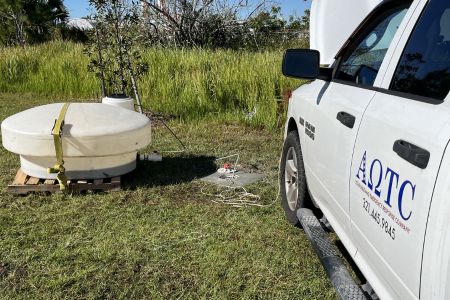
- Soil Remediation: Soil remediation involves removing or treating contaminated soil to eliminate hazardous substances. Common approaches include excavation and off-site disposal, soil washing, thermal treatment, and in situ chemical or biological treatment. Soil contamination is often the most visible form of environmental damage and is a common starting point for remediation efforts.
- Groundwater Remediation: Contaminants that reach groundwater can spread far beyond the original source area, affecting drinking water supplies and aquatic ecosystems. Groundwater remediation typically involves extraction systems that pump contaminated water to the surface for treatment or in-situ treatment methods that address contamination directly within the aquifer.
- Surface Water Remediation: When contaminants reach streams, rivers, lakes, or other surface water bodies, specialized cleanup techniques are needed to remove pollutants without further disrupting the aquatic environment. Surface water remediation may involve physical removal of contaminated material, installation of filtration or treatment systems, or containment barriers to prevent further spread.
- Sediment Remediation: Contaminated sediments at the bottom of water bodies can serve as long-term sources of pollution, re-releasing contaminants into the water column over time. Sediment remediation may involve dredging, capping, or in-situ treatment depending on the nature and extent of contamination.
Work With AOTC for Expert Environmental Cleanup Help
When contamination threatens your site, your workers, or your community, you need an experienced environmental remediation partner with the expertise, equipment, and regulatory knowledge to respond effectively. As one of the region’s trusted environmental remediation companies, AOTC provides comprehensive environmental cleanup services for both planned remediation projects and emergency response situations.
Alpha-Omega Training and Compliance, Inc. is a proud Veteran-Owned Small Business (VOSB) with extensive experience working with businesses across general manufacturing, construction, power generation, aerospace and defense, municipalities, and more. Our team handles environmental cleanup hands-on, from initial assessment and remedial investigation through active cleanup and post-remediation verification, ensuring every step meets applicable federal, state, and local requirements.
It’s also worth noting that workers involved in hazardous waste cleanup operations are required by OSHA to hold HAZWOPER certification. AOTC provides that training directly, meaning we can help your team stay compliant on both the cleanup and the workforce safety side of an incident.
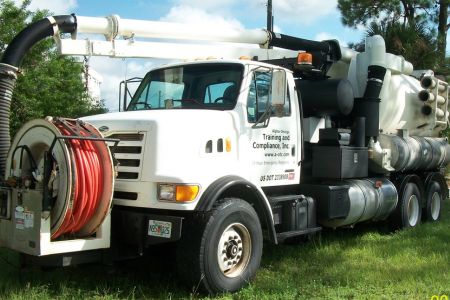
We also maintain 24/7 emergency spill response capability out of our Newberry, FL, Emergency Response Center, with wastewater vacuum trucks ready to deploy at a moment’s notice when an urgent situation arises.
Protect your business, your workers, and the environment. Request a site assessment from AOTC today.
AOTC proudly serves businesses across Florida and Georgia, with locations in Titusville, Newberry, Jacksonville, Tampa, and Macon, GA.