For many Florida businesses, waste oil is a normal part of daily operations. Automotive shops, fleet maintenance facilities, industrial sites, manufacturing operations, equipment yards, and service centers may all generate used oil that cannot be poured down drains, placed in regular trash, or stored indefinitely on site. That is where waste oil pickup becomes an important part of responsible business operations.
Waste oil pickup helps businesses remove used oil safely, reduce environmental risk, and maintain cleaner, more organized work areas. It also supports compliance with environmental requirements designed to protect Florida’s land, groundwater, stormwater systems, and surrounding communities. According to the Florida Department of Environmental Protection’s used oil recycling guidance, properly managing used oil helps prevent contamination of Florida’s water resources.
When waste oil is handled incorrectly, the consequences can be significant. Leaks, spills, unlabeled containers, poor storage practices, or improper disposal may create safety hazards for employees while exposing a business to regulatory and environmental liability. For businesses that generate oil as part of routine work, having a reliable pickup and disposal process is not just convenient. It is part of maintaining a safer, more compliant operation.
AOTC helps Florida businesses understand how waste oil, oily wastewater, and other waste streams fit into a larger industrial waste management and environmental compliance strategy.
Table of Contents
What Is Waste Oil Pickup?
Waste oil pickup is the process of collecting used oil from a business or facility and transporting it off-site for proper recycling, re-refining, treatment, or disposal. This oil may come from vehicles, heavy equipment, machinery, hydraulic systems, compressors, industrial processes, or other operations that use petroleum-based or synthetic oils.
In simple terms, waste oil pickup gives businesses a structured way to remove used oil that cannot be properly disposed of on-site. Instead of allowing oil to accumulate in drums, tanks, or temporary containers, a qualified pickup provider or waste management partner collects the material and transports it to an appropriate facility.
Depending on the type and condition of the oil, it may be re-refined into usable oil products, processed for energy recovery, recycled, or managed through approved disposal methods. The EPA’s used oil recycling guidance explains that used oils such as engine oil, hydraulic fluids, and gear oils can pollute the environment when they are not recycled or disposed of properly.
For Florida businesses, the key is not only getting the oil removed. It is making sure waste oil is stored, labeled, transferred, and documented correctly before and after pickup. Businesses that are unsure how their oil, filters, oily water, or related waste streams should be managed may benefit from working with an experienced environmental consulting services provider before problems develop.
Why Is Waste Oil Pickup Important?
Waste oil pickup is important because it helps businesses control environmental risk, protect workers, and keep operations moving. Used oil may seem routine, but it can create serious problems when it is stored or disposed of improperly.
One of the biggest reasons to schedule waste oil pickup is compliance. Businesses that generate used oil are responsible for managing it correctly. Florida DEP’s summary of hazardous waste regulations notes that used oil may be stored only in tanks or containers, containers and tanks must be in good condition and not leaking, and those containers and tanks must be labeled “Used Oil.” Businesses can review additional state-level guidance through the Florida DEP hazardous waste regulation summary.
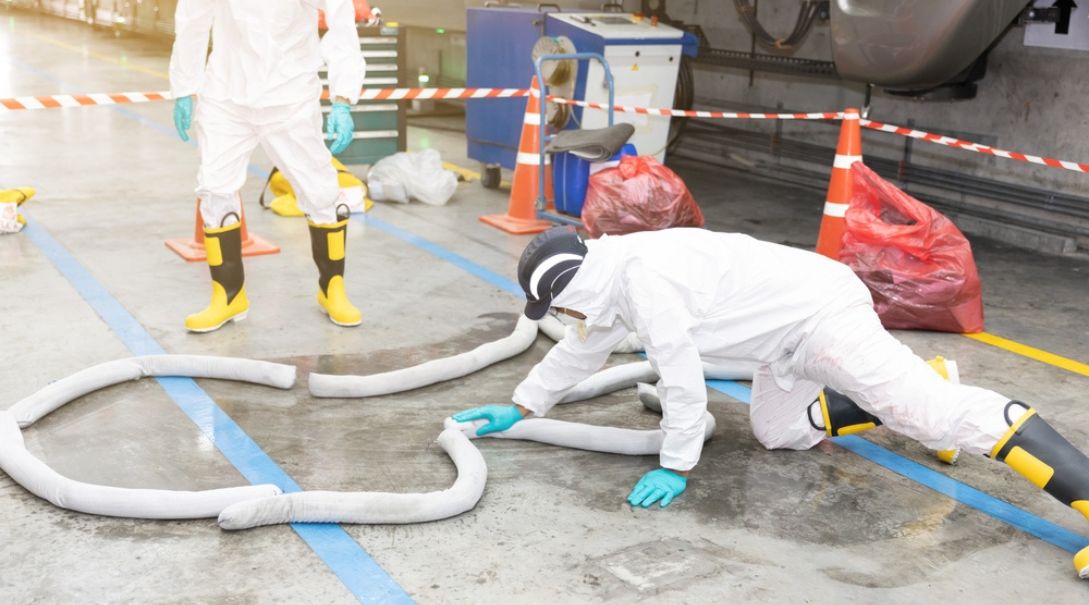
Waste oil pickup also supports worker safety. Oil spills can create slip hazards, contaminate work surfaces, damage equipment areas, and expose employees to unsafe conditions. When containers are overfilled, damaged, poorly placed, or left exposed to weather, the risk of leaks and accidental contact increases. If a spill does occur, a business may need immediate help from a qualified 24-hour emergency spill response team to contain the release and reduce further risk.
Operational efficiency is another major factor. Businesses that do not have a clear waste oil removal process may lose time dealing with cluttered storage areas, emergency spill cleanup, or last-minute disposal issues. Scheduled pickups help facilities stay cleaner and more organized while allowing employees to focus on their normal work.
For companies that also manage wash water, process water, oily wastewater, or other liquid waste streams, waste oil pickup may be only one part of a broader industrial waste strategy. In those cases, businesses may also need support related to industrial wastewater treatment, the wastewater treatment process, or evaluating industrial wastewater treatment systems that fit their facility’s needs. AOTC’s experience with water resources, operation and maintenance field support, and environmental compliance can help businesses better understand these overlapping responsibilities.
The Waste Oil Pickup Process

The waste oil pickup process is usually straightforward, but each step matters. A well-managed process helps reduce risk before, during, and after the oil leaves the facility.
The first step is scheduling a pickup time. Businesses should coordinate with a qualified waste oil pickup provider or environmental services partner based on how much oil is generated, how quickly it accumulates, and whether other related waste streams need to be addressed.
Before pickup, the waste oil should be stored in appropriate containers or tanks. These containers should be in good condition, closed when not in use, protected from damage where possible, and clearly marked for used oil. Businesses should avoid mixing used oil with solvents, fuels, chemicals, antifreeze, or other materials unless they have confirmed the waste can be handled that way. The EPA’s used oil FAQ for businesses explains that used oil handlers and transporters have specific requirements and that transporters hauling used oil generally need a valid EPA identification number.
When the pickup crew arrives, they typically transfer the waste oil from the storage container or tank into a collection truck. Depending on the site setup, this may involve hoses, pumps, vacuum equipment, drums, totes, or other transfer methods. The crew should follow proper handling procedures to minimize spills, splashes, and contamination.
After collection, the oil is transported to an approved facility for recycling, re-refining, treatment, or disposal. Documentation may also be needed, especially for businesses that must maintain records related to used oil handling, transport, or disposal.
For businesses with larger or more complex operations, this process may be connected to a broader waste management program. That can include container inspections, waste profiling, regulatory guidance, emergency response planning, spill prevention, wastewater management, and coordination with approved disposal facilities.
Businesses that want to strengthen their on-site handling practices may also want to review AOTC’s guidance on oil storage compliance, secondary containment systems, and hazardous waste storage best practices.
Does AOTC Provide Waste Oil Pickup and Disposal Services?

AOTC supports Florida businesses with environmental consulting, compliance support, remediation, and industrial waste management solutions. While waste oil pickup may involve specialized transportation and disposal partners, AOTC works with trusted partners that have deep expertise in regulatory compliance and environmentally responsible disposal.
This means businesses can turn to AOTC for guidance when they need help understanding how waste oil fits into their larger environmental responsibilities. Whether your facility needs support with industrial waste management, waste stream evaluation, disposal coordination, spill response planning, or compliance-focused environmental services, AOTC can help you identify the right next step.
For businesses that generate waste oil, oily wastewater, process water, or other industrial waste streams, the goal is to create a practical system that protects workers, supports compliance, and keeps operations running efficiently. That may include waste oil pickup coordination, evaluating storage practices, identifying risks, and connecting your business with the right disposal or treatment resources.
AOTC can also support related environmental needs through environmental remediation, multimedia sampling, monitoring, and permitting, stormwater pollution prevention plans, and annual stormwater sampling for NPDES compliance.
If your Florida business needs help managing waste oil or other industrial waste streams, contact AOTC to discuss your facility’s needs.
Learn more about AOTC’s Industrial Waste Management Services and how the team can support safer, more compliant operations.