Every business that uses water in its operations has a responsibility to manage what happens to that water afterward. Wastewater treatment is the process that enables responsible water management, and for many businesses, it’s not just a best practice. It’s a legal requirement.
Whether you’re running a manufacturing facility, managing a food processing plant, or overseeing operations in the oil and gas sector, understanding the basics of industrial wastewater treatment is essential to maintaining safe operations, protecting your workforce, and complying with environmental regulations.
Table of Contents
What Is Wastewater Treatment?
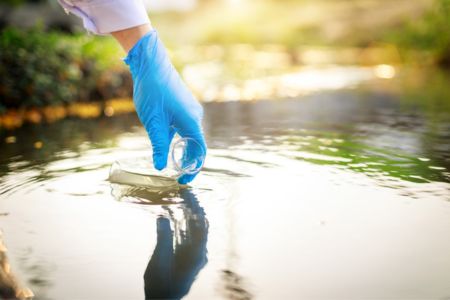
Wastewater treatment is the process of removing contaminants from water used in industrial, commercial, or municipal operations before it is discharged, reclaimed, or reused. In a business context, wastewater can contain a wide range of pollutants depending on the nature of the operation.
Examples of pollutants in wastewater include:
- Oils
- Chemicals
- Heavy metals
- Biological material
- Sediment
The goal of industrial wastewater treatment is to clean contaminated water to a level that meets regulatory standards set by agencies such as the Environmental Protection Agency (EPA) and applicable state and local authorities. Untreated or improperly treated wastewater poses serious risks to public health, local ecosystems, and the businesses responsible for managing it. Mishandled wastewater can also cross into hazardous waste territory, which carries its own strict disposal requirements.
How Does Wastewater Treatment Work?
While treatment methods vary based on the type and concentration of contaminants, most industrial wastewater treatment processes follow a general sequence of steps.
Step 1: Transporting Contaminated Water
The process begins with collecting and transporting wastewater away from the source. Depending on the facility and the volume of water involved, this may involve on-site containment systems, collection tanks, or specialized vacuum transport.
For large spills or emergencies, wastewater vacuum trucks are often deployed to rapidly contain and remove contaminated water before it spreads or causes further damage.
Step 2: Cleaning and Processing Wastewater
Once collected, wastewater undergoes a series of treatment stages designed to remove various contaminants.
- Primary treatment involves physical processes like screening and settling to remove solids.
- Secondary treatment uses biological processes to break down organic matter.
- Tertiary treatment may include advanced filtration, chemical treatment, or disinfection to address residual contaminants and meet discharge standards.
Industrial wastewater treatment systems are often custom-designed for specific industries and contaminant profiles, since a pharmaceutical manufacturer’s waste stream differs from those of an automotive plant or a food processing facility.
Step 3: Treated Water Is Released, Reclaimed, or Reused
After treatment, water can be discharged into a municipal sewer system or surface water (subject to permit requirements), reclaimed for industrial reuse, or, in some cases, reintroduced into the water supply.
Many businesses are also finding value in water reclamation programs that reduce overall consumption and lower operating costs.
Why Is Wastewater Treatment Important?
For businesses, wastewater treatment isn’t just about environmental stewardship — it touches every aspect of safe and sustainable operations.
Compliance with Environmental Requirements
Federal, state, and local regulations govern how businesses manage and discharge wastewater. The EPA’s Clean Water Act establishes baseline standards, and many states have additional requirements on top of those.
Non-compliance can result in significant fines, permit revocations, and even facility shutdowns.
Maintaining a documented, compliant wastewater treatment process is one of the most important steps a business can take to protect its operating license. AOTC’s environmental compliance services can help your business identify gaps and stay ahead of regulatory requirements.
Keeping Workers Safe and Healthy
Contaminated wastewater can pose serious health hazards to employees. Exposure to chemicals, pathogens, and toxic substances in untreated water can lead to respiratory issues, skin conditions, and more serious long-term health consequences.
A well-managed wastewater treatment process reduces the risk of worker exposure and supports a safer overall work environment.
When spills do occur, proper emergency decontamination procedures are critical to minimizing harm to your team. Workers who handle hazardous waste or respond to spills may also be required to hold HAZWOPER certification.
Maintaining Operational Efficiency
Wastewater that isn’t properly managed can back up, overflow, or compromise equipment and infrastructure. Investing in reliable industrial wastewater treatment systems helps businesses avoid costly downtime, equipment damage, and facility disruptions caused by wastewater-related incidents.
Environmental remediation after a contamination event is far more expensive than proactive management, making prevention the smarter long-term investment.
Mitigating the Risk of Environmental Damage
Improperly discharged wastewater can contaminate soil, groundwater, and nearby waterways, creating long-lasting environmental damage and significant liability for the responsible business.
Facilities that discharge stormwater must also be aware of stormwater pollution prevention requirements and NPDES sampling obligations. In the event of a spill or unexpected discharge, rapid response is critical.
Emergency Spills? AOTC is available 24/7 to respond quickly, contain the situation, and help protect your facility and the surrounding environment. Learn more about our 24-hour emergency spill response.
What Industries Require Wastewater Treatment?
The short answer: most of them. Any business that uses water in its operations and generates contaminated runoff or process wastewater is likely subject to wastewater treatment requirements.
AOTC has hands-on experience working with businesses across a wide range of industries, including:

- General Manufacturing: Facilities producing boats, firearms, industrial components, and consumer goods all generate process wastewater that requires proper management and disposal.
- Construction: Site runoff often carries sediment, concrete washout, and chemical pollutants that must be managed carefully under stormwater and wastewater regulations.
- Aeronautical and Defense: Aviation, aerospace, and defense contractors use specialized chemicals, fuels, and materials that generate complex wastewater streams subject to stringent regulatory oversight.
- Power Generation: Power plants and utilities generate cooling water, chemical treatment discharge, and other process wastewater that require careful handling to meet environmental standards.
- Theme Parks and Hospitality: Large-scale entertainment and hospitality operations generate significant volumes of wastewater from food service, cleaning, and facility maintenance.
- Municipalities: Local governments managing public water and wastewater systems face ongoing compliance obligations under federal and state environmental regulations.
- Agriculture and Food Processing: Runoff, wash water, and organic waste from agricultural and food production operations are among the most regulated wastewater streams in the country.
- Oil and Gas: Produced water, drilling fluids, and refinery effluent require specialized treatment before safe disposal or reuse.
- Pharmaceutical Manufacturing: Active pharmaceutical ingredients (APIs) and chemical byproducts require stringent treatment processes to prevent environmental contamination. Emerging contaminants like PFAS are a growing concern across multiple industries, including the pharmaceutical and manufacturing sectors.
AOTC has worked with organizations ranging from defense contractors and aerospace to municipalities, bringing the same level of expertise and regulatory knowledge to every industry we serve. Our environmental remediation services are designed to help businesses across all of these sectors manage their obligations effectively.
Does AOTC Provide Wastewater Treatment Services?
Yes. And we’re here to make the process straightforward for your business.
At Alpha-Omega Training and Compliance, Inc. (AOTC), we bring deep expertise in regulatory compliance and environmentally responsible disposal directly to your operations. Our team works hands-on with businesses across industries to develop and implement the right industrial wastewater treatment solutions for your specific operations, industry, and regulatory environment, so you’re never left navigating complex compliance requirements on your own.
We’ve worked with some of the region’s most demanding operations, from power generation facilities and defense contractors to theme parks and municipal water authorities, giving us a depth of real-world experience that directly benefits every client we serve. See the industries and clients we’ve worked with.
AOTC proudly serves businesses across Florida and Georgia, with locations in Titusville, Jacksonville, Tampa, and Macon, GA. Whether you’re building out a long-term wastewater management program or dealing with an immediate issue that needs fast attention, AOTC is the partner you can count on wherever you operate.
We also maintain 24/7 emergency response availability from our Newberry, FL Emergency Response Center. Our wastewater vacuum trucks are ready to deploy at a moment’s notice, providing the rapid response you need when an unexpected spill or discharge occurs.
Don’t let wastewater compliance become a liability. Contact AOTC today to discuss our Industrial Waste Management and Environmental Compliance services.